Protecting Our Oceans Through Conscious Shopping
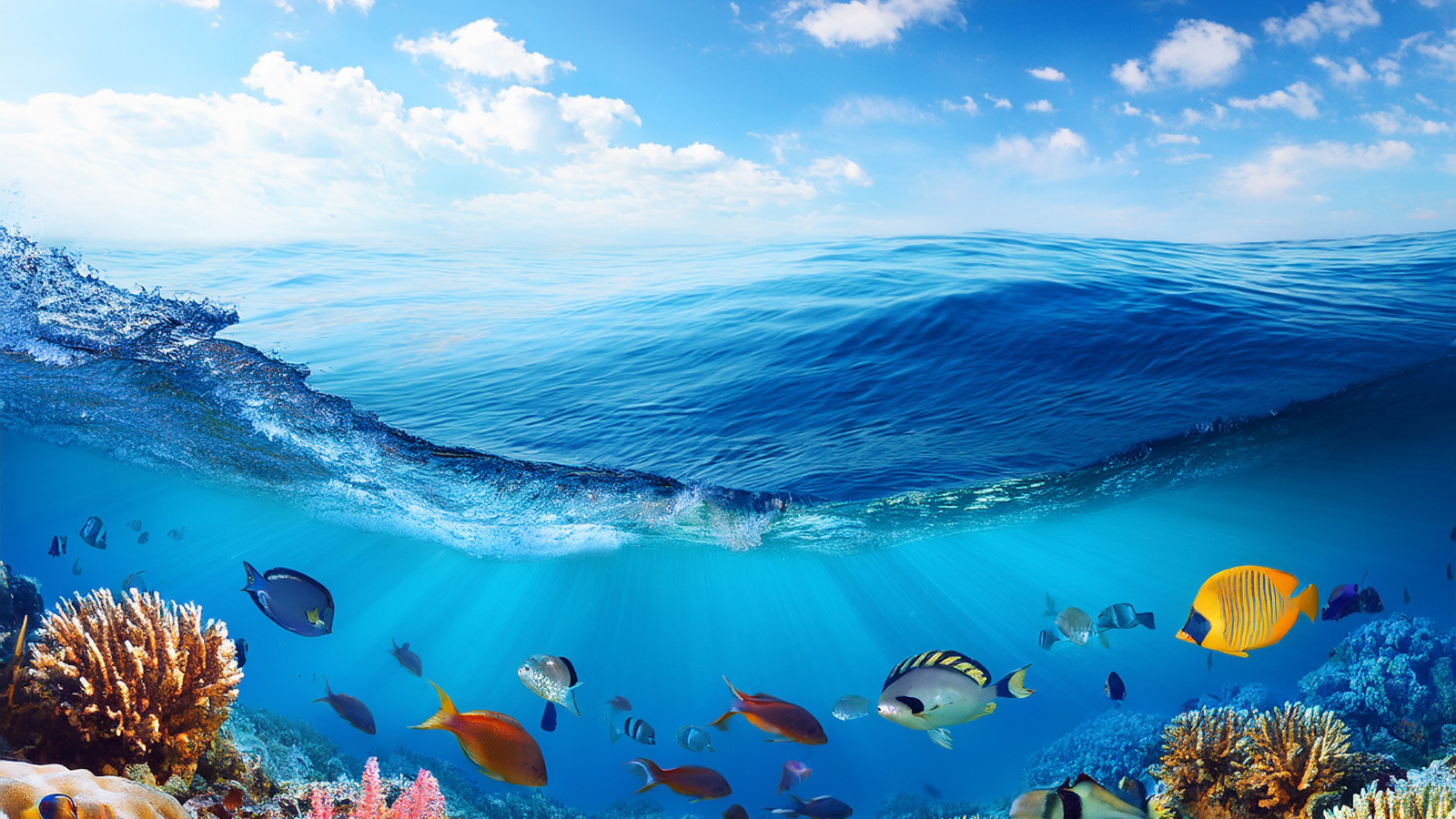
The ocean connects us all. It regulates our climate, provides food and livelihoods, and holds ecosystems that sustain life on Earth. Yet, every year, millions of tons of waste enter our oceans, much of it linked to the way we produce and consume goods.
As we recognize World Oceans Day this June, it is important to understand that protecting our oceans is not only about large-scale efforts. It is also about the everyday choices we make, especially how we shop.
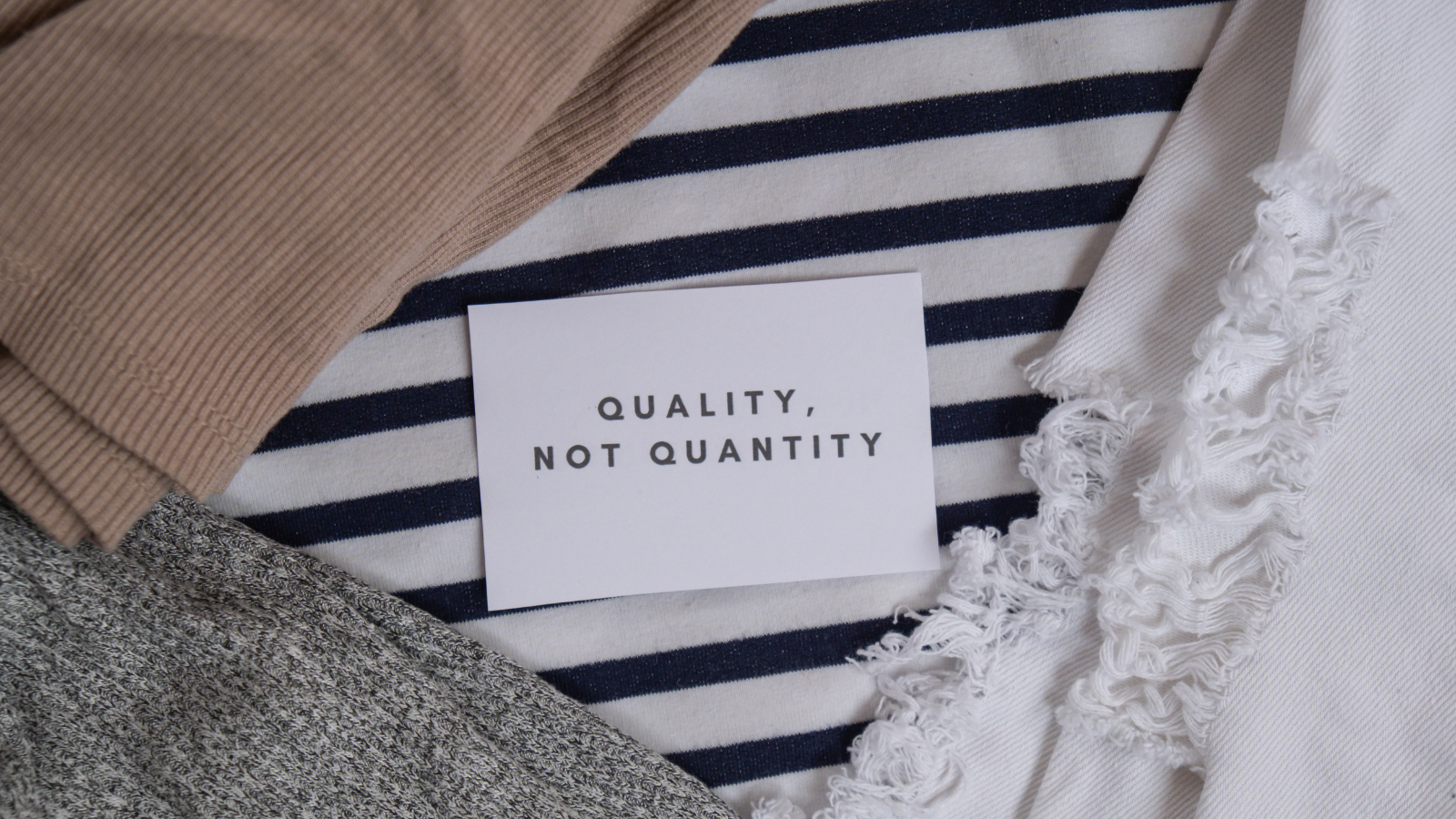
At Just, we believe that conscious shopping is a powerful tool for change. From choosing eco-friendly materials to supporting sustainable brands, your decisions can help reduce ocean pollution and promote a healthier planet.
The Hidden Connection Between Shopping and Ocean Health
Many of the products we use daily have a direct or indirect impact on the ocean. Synthetic fabrics, plastic packaging, and disposable goods often end up as waste that finds its way into waterways.
According to the United Nations Environment Program, plastic pollution is one of the greatest environmental challenges facing marine ecosystems. Microplastics from clothing and packaging are especially harmful because they are difficult to remove and easily ingested by marine life.
This means that what we buy and wear matters.
Choosing eco-friendly alternatives helps reduce the flow of harmful materials into the ocean.
Why Sustainable Clothing Matters for Ocean Protection
One of the lesser-known contributors to ocean pollution is synthetic clothing. Fabrics like polyester release microfibers during washing, which eventually make their way into rivers and oceans.
Sustainable clothing offers a better option. Made from natural fibers and eco-friendly materials, these garments reduce the release of harmful microplastics.
Our Sustainable Clothing Collection features pieces crafted by women artisans using traditional methods and low-impact materials. These garments are not only breathable and comfortable for summer, but also aligned with ocean-friendly practices.
Organizations like Fashion Revolution advocate for greater awareness of how clothing production affects the environment, including marine ecosystems.
By choosing sustainable clothing, you take a step toward protecting ocean health.
Reducing Plastic Waste with Tote Bags
Single-use plastic bags are one of the most common pollutants found in oceans. Lightweight and easily carried by wind and water, they pose a serious threat to marine life.
Replacing plastic bags with reusable tote bags is one of the simplest and most effective ways to reduce this impact.
Our Tote Bags Collection offers eco-friendly options designed for everyday use. These tote bags are made by women artisans using durable materials, ensuring they can be used repeatedly.
Each time you choose tote bags over plastic, you help reduce waste and support sustainable brands committed to responsible production.
Tote bags are not just practical. They are part of a broader shift toward conscious consumption.
Choosing Sustainable Bags for a Cleaner Future
Beyond tote bags, sustainable bags provide long-term alternatives to synthetic, disposable options. Made from natural or reclaimed materials, these bags are designed to last, reducing the need for frequent replacements.
Explore eco-friendly options in our New Arrivals, where sustainable bags reflect both functionality and sustainability.
By investing in sustainable bags, you reduce waste and minimize your environmental footprint. This is especially important in protecting oceans, where discarded materials often accumulate.
Choosing sustainable bags is a simple yet meaningful step toward responsible shopping.
Supporting Sustainable Brands That Protect the Planet
Sustainable brands play a critical role in reducing environmental harm. They prioritize eco-friendly materials, ethical labor practices, and low-impact production methods.
At Just, we work with women artisans who create sustainable clothing, tote bags, and sustainable bags in small batches. This approach reduces waste while supporting livelihoods.
Learn more about our mission on the Just About Page.
According to the World Bank, sustainable economic practices can contribute to environmental protection and long-term development. Supporting sustainable brands is one way to align your spending with these goals.
The Role of Awareness in Ocean Protection
Protecting the ocean begins with awareness. Understanding how everyday actions contribute to pollution allows us to make better choices.
Organizations like the World Wildlife Fund highlight the importance of reducing plastic waste and promoting sustainable consumption to protect marine ecosystems.
When you choose eco-friendly products, you reduce demand for harmful materials. When you support sustainable brands, you encourage responsible production.
These actions, combined, create meaningful change.
Everyday Actions That Protect Our Oceans
You do not need to make drastic changes to have an impact. Small, consistent actions can help protect ocean health.
Consider:
-
Choosing sustainable clothing made from natural fibers
-
Using tote bags instead of plastic bags
-
Investing in durable sustainable bags
-
Supporting sustainable brands that prioritize eco-friendly practices
-
Being mindful of packaging and waste
Each of these steps reduces pollution and supports a cleaner environment.
A Shared Responsibility
The ocean is a shared resource, and protecting it is a shared responsibility. While large-scale solutions are essential, individual choices play a meaningful role.
Every purchase sends a message. It signals what kind of products and practices we support.
By choosing eco-friendly options, sustainable clothing, tote bags, and sustainable bags, you contribute to a system that values sustainability over convenience.
Shopping with Purpose This Summer
This June, let your shopping reflect your care for the planet. Choose products that align with your values. Support sustainable brands that prioritize environmental responsibility.
Explore the full collection at Choose Just and discover eco-friendly options that make a difference.
Because protecting our oceans starts with the choices we make every day.