Carbon Conscious Supply Chains for Resilient Growth
Carbon emissions are now one of the most critical challenges facing global supply chains. For B2B companies operating in artisan and lifestyle industries, reducing carbon impact is no longer optional. It is a business requirement tied to compliance, cost efficiency, and long-term resilience.
As April emphasizes Health and Planet Protection, the focus on carbon-conscious operations becomes more urgent. Every stage of production—from sourcing materials for eco friendly goods to manufacturing sustainable clothing, producing sustainable bags, and distributing reusable tote bags—contributes to a company’s carbon footprint.
For sustainable brands, building carbon-conscious supply chains is the key to aligning environmental responsibility with operational performance.
Understanding Carbon Conscious Supply Chains
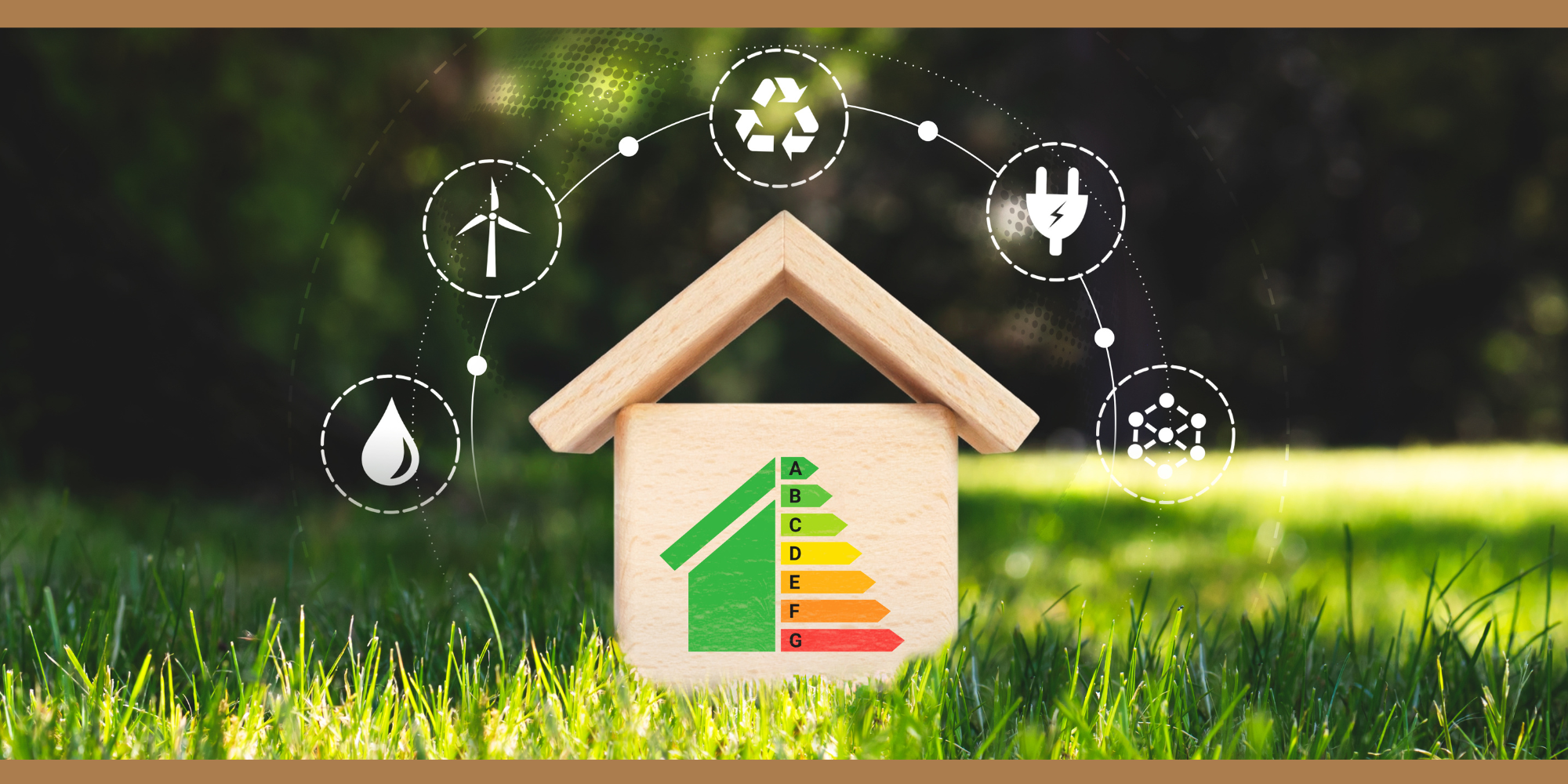
A carbon-conscious supply chain actively measures, reduces, and manages greenhouse gas emissions across all stages of operations. This includes raw material sourcing, production, packaging, and logistics.
The Greenhouse Gas Protocol provides the global standard for measuring emissions across Scope 1, Scope 2, and Scope 3 categories.
For companies producing sustainable clothing, sustainable bags, and tote bags, Scope 3 emissions—those generated across the supply chain—often represent the largest portion of total impact.
Understanding where emissions occur allows brands to take targeted action and improve overall efficiency.
Why Carbon Reduction Drives Business Resilience
Carbon reduction is not only about environmental responsibility. It directly strengthens business performance.
According to the Carbon Disclosure Project, companies that actively manage environmental impact achieve stronger financial outcomes and reduced operational risk.
For sustainable brands, carbon-conscious operations deliver:
-
Lower operational costs through efficiency
-
Reduced exposure to regulatory risk
-
Stronger ESG performance
-
Improved investor and partner confidence
As governments introduce stricter climate policies, carbon reduction becomes essential for maintaining market access and competitiveness.
Identifying Carbon Hotspots in Supply Chains
To reduce emissions effectively, businesses must identify where carbon output is highest.
Material Sourcing
Raw materials used in eco friendly goods and sustainable clothing can carry significant environmental impact depending on farming methods, processing, and transportation distance.
Production Processes
Manufacturing of sustainable bags and tote bags involves energy consumption, even in small-scale artisan settings. Improving energy efficiency can significantly reduce emissions.
Logistics and Distribution
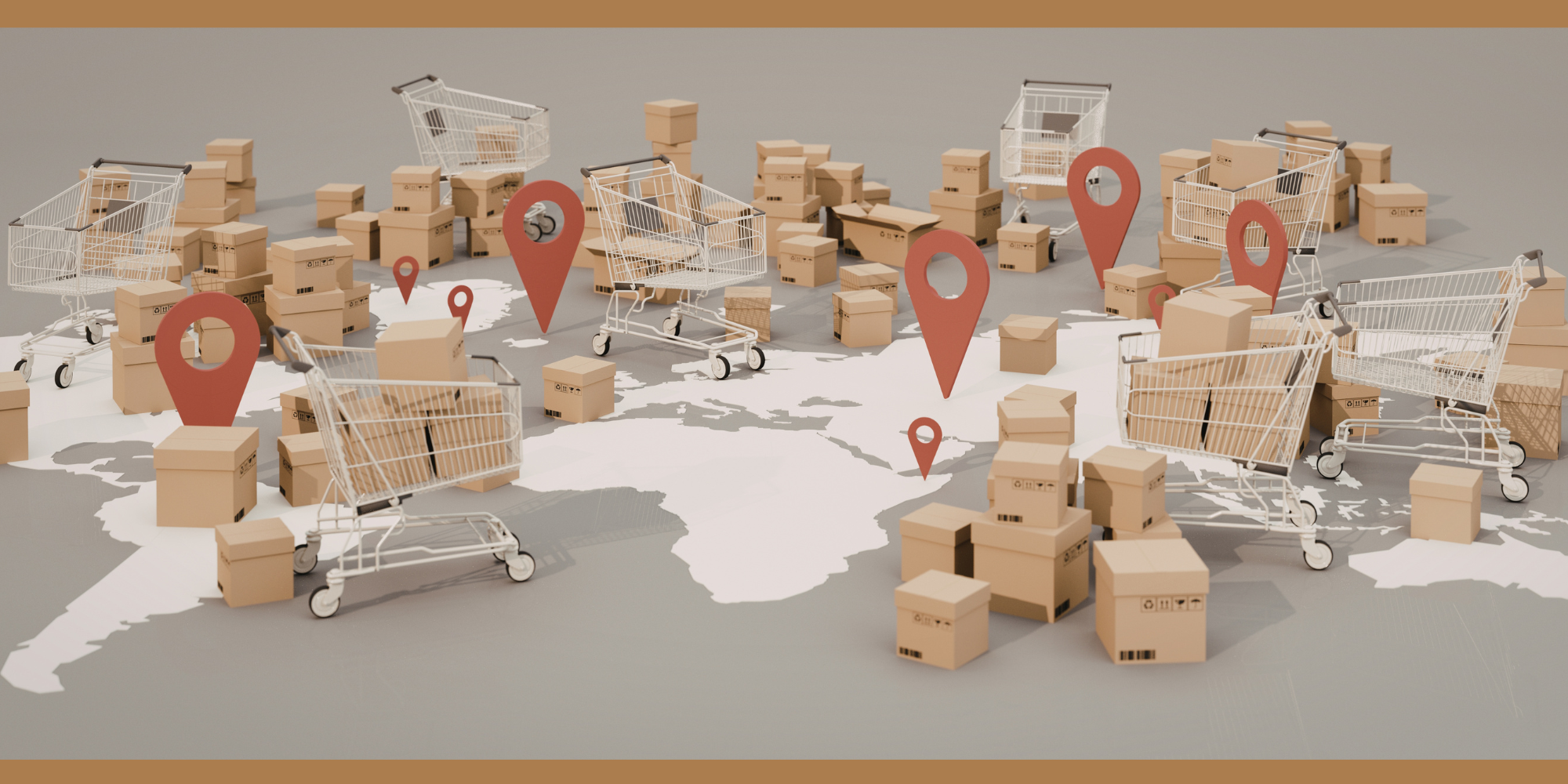
Transportation is one of the largest contributors to supply chain emissions. Global distribution of eco friendly products and tote bags requires careful planning to minimize environmental impact.
The World Economic Forum on supply chain sustainability emphasizes the importance of addressing emissions across every stage of the value chain.
Strategies for Carbon Conscious Operations
Reducing carbon emissions requires a combination of operational improvements and strategic sourcing decisions.
Optimize Material Sourcing
-
Source materials closer to production sites
-
Use low-impact fibers for sustainable clothing
-
Incorporate recycled inputs in sustainable bags
-
Select durable materials for long-lasting tote bags
Organizations like Textile Exchange provide benchmarks for responsible material sourcing.
Improve Energy Efficiency
-
Transition to renewable energy sources
-
Upgrade production equipment
-
Optimize workflows to reduce energy waste
The International Energy Agency highlights energy efficiency as one of the fastest ways to reduce emissions globally.
Reduce Waste and Support Circularity
-
Repurpose excess materials into new eco friendly products
-
Design sustainable clothing for longevity
-
Develop reusable and multi-purpose tote bags
-
Implement circular production systems
The Ellen MacArthur Foundation emphasizes circular design as key to reducing emissions and waste.
Sustainable Logistics and Distribution
Logistics optimization is essential for building carbon-conscious supply chains.
Key actions include:
-
Consolidating shipments to reduce transport frequency
-
Prioritizing sea or ground transport over air freight
-
Reducing packaging materials for eco friendly goods
-
Partnering with low-emission logistics providers
For brands distributing sustainable bags and tote bags, efficient logistics reduce both environmental impact and operational costs.
Supplier Collaboration and Carbon Reduction
Carbon reduction requires collaboration across the supply chain.
Working with suppliers allows brands to:
-
Set shared emission reduction targets
-
Improve data collection for reporting
-
Adopt greener production methods
-
Align sustainability goals
Introducing suppliers through Meet the Creators strengthens transparency and trust.
Collections like Women Owned Sustainable Brands also highlight partners committed to responsible production.
For sustainable brands, supplier engagement is essential for achieving measurable carbon reduction.
Measuring and Reporting Carbon Impact
Accurate measurement is critical to managing emissions.
Key metrics include:
-
Total greenhouse gas emissions
-
Emissions per product unit
-
Transportation emissions
-
Energy consumption
Frameworks like the Global Reporting Initiative Standards support integration of carbon data into ESG reporting.
Transparent reporting strengthens credibility with stakeholders and ensures compliance with global regulations.
Preparing for Climate Regulations
Climate-related regulations are expanding globally. Businesses must prepare by integrating carbon management into operations.
The European Union Green Deal sets ambitious targets for climate neutrality and sustainable production.
To stay compliant, companies should:
-
Establish carbon baselines
-
Set measurable reduction targets
-
Align sourcing and logistics with environmental standards
Carbon-conscious supply chains are essential for maintaining access to international markets.
Building Resilient Supply Chains
Resilience and sustainability go hand in hand.
Carbon-conscious supply chains are more adaptable because they:
-
Reduce dependency on high-emission processes
-
Improve resource efficiency
-
Strengthen supplier relationships
-
Align with long-term environmental trends
Suppliers can scale responsibly through platforms like Sell With Just, contributing to stronger and more resilient supply networks.
For sustainable brands, resilience is built through sustainability.
Conclusion
Building carbon-conscious supply chains is essential for long-term business resilience. It reduces environmental impact, strengthens compliance, and improves operational efficiency.
For sustainable brands, the path forward is clear. Optimize sourcing for eco friendly materials. Improve production efficiency in sustainable clothing. Reduce emissions in manufacturing sustainable bags. Streamline logistics for reusable tote bags.
As April focuses on Health and Planet Protection, carbon-conscious operations must become a priority across all supply chain decisions.
When carbon is reduced, resilience is strengthened.
And when resilience is strengthened, sustainable growth follows.