Environmental Impact Reporting Made Practical for Sustainable Brands
Environmental impact reporting is no longer reserved for large corporations. It is now a critical expectation for businesses of all sizes, including those operating in artisan and lifestyle supply chains. For B2B leaders, the ability to measure, track, and communicate sustainability performance is directly tied to compliance, investor confidence, and long-term growth.
As April highlights Health and Planet Protection, the focus shifts from intention to accountability. Brands producing eco friendly goods, managing sustainable clothing lines, and distributing sustainable bags and reusable tote bags must demonstrate how their operations affect the environment.
For sustainable brands, environmental reporting transforms sustainability from a concept into a measurable business function.
What Environmental Impact Reporting Means
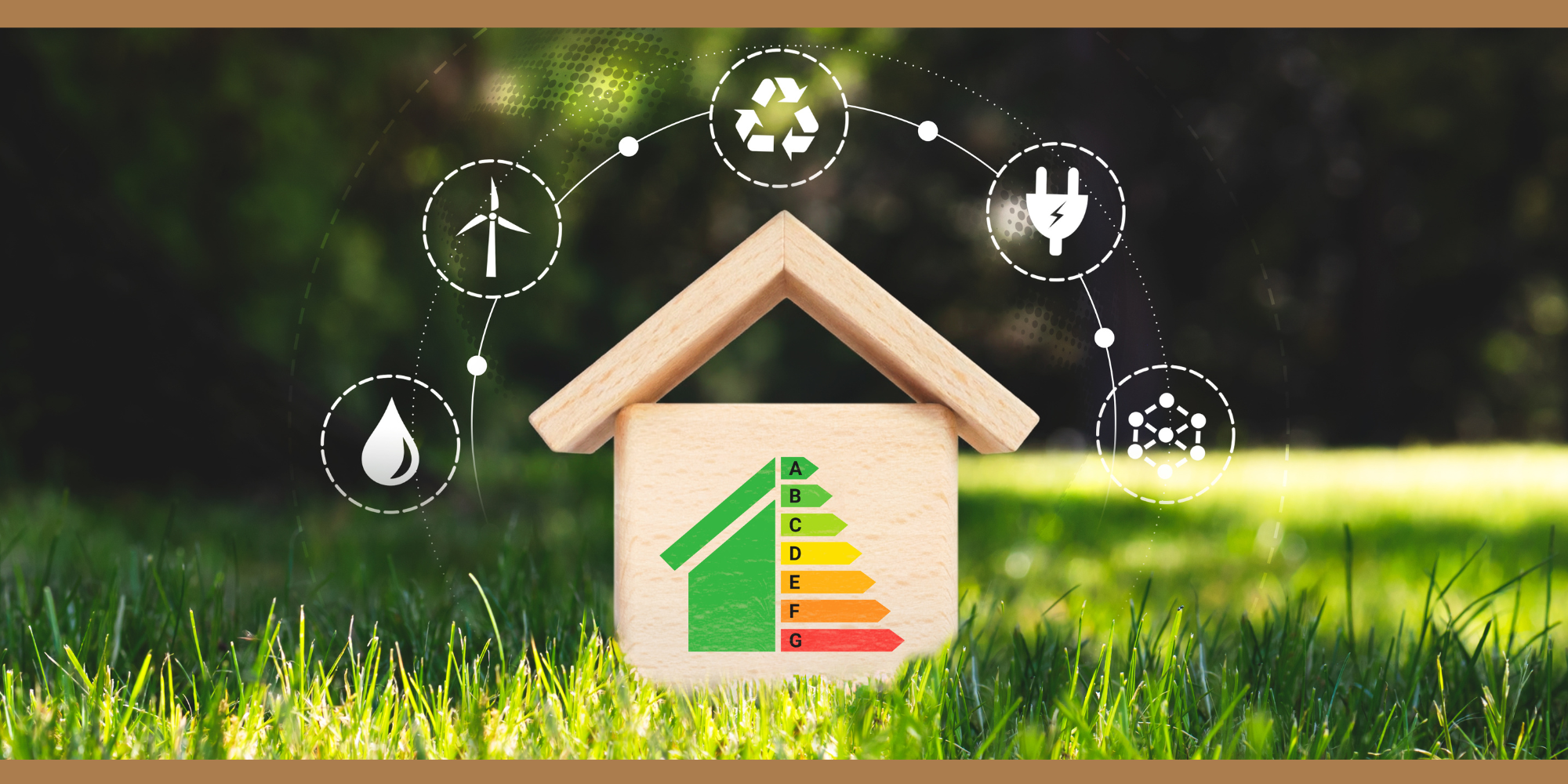
Environmental impact reporting refers to the process of collecting and disclosing data related to a company’s environmental footprint. This includes emissions, energy usage, water consumption, waste generation, and sourcing practices.
Frameworks such as the Global Reporting Initiative Standards provide structured guidance for how organizations can measure and communicate these metrics.
For B2B companies, especially those working with sustainable clothing, sustainable bags, and tote bags, reporting is essential for:
-
Meeting regulatory requirements
-
Building trust with partners and retailers
-
Strengthening ESG performance
-
Supporting responsible sourcing decisions
Environmental reporting is not just about compliance. It is about clarity and credibility.
Why Reporting Matters for Sustainable Brands
Consumers and B2B buyers are increasingly demanding transparency. They want to know where materials come from, how products are made, and what environmental impact is created along the way.
According to the Carbon Disclosure Project, companies that actively measure and manage environmental risks outperform those that do not.
For sustainable brands, reporting provides:
-
Data-driven decision-making
-
Improved operational efficiency
-
Competitive differentiation
-
Stronger alignment with ESG standards
When a company can clearly show how its eco friendly production reduces emissions or how its sustainable clothing line minimizes waste, it builds trust across the value chain.
Key Metrics to Track
Effective environmental impact reporting begins with identifying the right metrics. For artisan and lifestyle supply chains, the most relevant indicators include:
1. Carbon Emissions
Tracking greenhouse gas emissions across production, transportation, and packaging is essential. This includes emissions from manufacturing sustainable bags, shipping tote bags, and sourcing materials for sustainable clothing.
The Greenhouse Gas Protocol provides global standards for measuring emissions across Scope 1, 2, and 3 categories.
2. Water Usage
Water consumption is particularly important in textile production. Monitoring water use in dyeing and finishing processes helps brands improve efficiency and reduce environmental impact.
3. Waste and Circularity
Tracking waste generation and recycling rates is critical for evaluating circular practices. Brands producing eco friendly goods should measure how much material is reused or diverted from landfills.
4. Energy Consumption
Energy use across production and operations should be monitored and optimized. Shifting to renewable energy sources can significantly reduce environmental impact.
Making Reporting Practical for B2B Brands
One of the biggest challenges in environmental reporting is complexity. Many companies hesitate to begin because they assume reporting requires large systems and extensive resources.
In reality, reporting can start with simple steps:
Start Small
Begin by tracking one or two key metrics such as energy use or material sourcing.
Use Supplier Data
Work with suppliers producing sustainable clothing, sustainable bags, and tote bags to gather production data. Transparency at the supplier level strengthens overall reporting.
Standardize Data Collection
Create simple templates for suppliers to report on materials, waste, and energy use.
Review and Improve
Use collected data to identify inefficiencies and opportunities for improvement.
Platforms like Meet the Creators can support transparency by showcasing supplier practices and production methods.
The Role of Sustainable Sourcing in Reporting
Sourcing decisions directly influence environmental metrics. Choosing responsible materials reduces emissions, waste, and resource consumption.
Organizations like Textile Exchange provide guidance on preferred fibers and responsible sourcing practices.
For sustainable brands, this includes:
-
Using organic or regenerative materials for sustainable clothing
-
Selecting recycled inputs for sustainable bags
-
Designing long-lasting tote bags to reduce product turnover
-
Prioritizing suppliers committed to eco friendly production
Highlighting sourcing practices through collections like Women Owned Sustainable Brands strengthens both environmental and social reporting.
Reporting Across the Supply Chain
Environmental impact does not stop at production. It extends across the entire supply chain, including logistics and distribution.
The World Economic Forum on supply chain sustainability emphasizes the importance of end-to-end visibility for reducing environmental impact.
For B2B brands, this means tracking:
-
Transportation emissions
-
Packaging materials
-
Distribution efficiency
-
Supplier compliance
Companies producing eco friendly goods and distributing tote bags globally must consider the full lifecycle of their products.
Aligning Reporting With Compliance
Regulations around environmental reporting are increasing globally. Governments and regulatory bodies are requiring companies to disclose sustainability data and demonstrate compliance with environmental standards.
The United Nations Sustainable Development Goals provide a global framework for aligning business practices with environmental and social priorities.
For sustainable brands, aligning reporting with recognized frameworks ensures:
-
Regulatory compliance
-
Investor confidence
-
Market access
-
Long-term scalability
Environmental reporting is becoming a requirement, not an option.
Turning Data Into Action
Collecting data is only the first step. The real value of environmental reporting comes from using that data to improve operations.
Examples include:
-
Reducing water usage in sustainable clothing production
-
Improving material efficiency in sustainable bags
-
Optimizing packaging for eco friendly goods
-
Streamlining logistics for tote bags distribution
Data-driven decisions lead to measurable improvements in both environmental performance and operational efficiency.
Building a Culture of Accountability
Environmental reporting should not be limited to a single department. It must be embedded across the organization and supply chain.
Best practices include:
-
Setting clear sustainability targets
-
Training teams and suppliers on reporting standards
-
Sharing progress with stakeholders
-
Integrating reporting into business strategy
-
Collaborating with partners to improve data accuracy
Suppliers can also scale their operations and reporting capabilities through platforms like Sell With Just, strengthening transparency across the supply chain.
Conclusion
Environmental impact reporting is essential for modern B2B businesses. It provides the data needed to measure progress, meet compliance requirements, and build trust with stakeholders.
For sustainable brands, reporting connects eco friendly intentions with measurable outcomes. It strengthens sourcing decisions for sustainable clothing, improves production of sustainable bags, and enhances distribution strategies for reusable tote bags.
As we focus on Health and Planet Protection this April, the message is clear. Measure your impact. Share your progress. Improve continuously.
When environmental reporting becomes part of daily operations, sustainability becomes actionable.