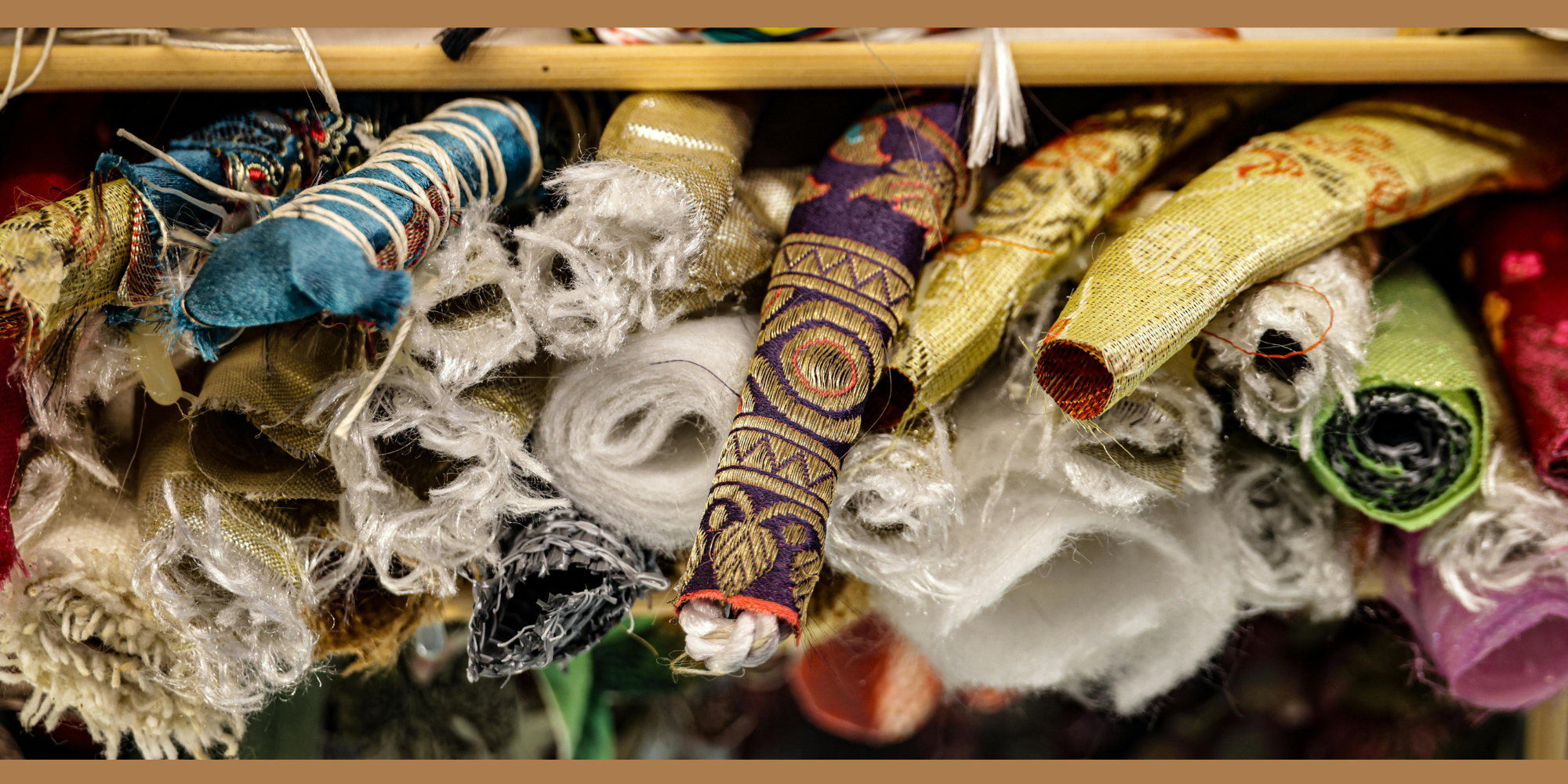
Green Production in Action Through Women Entrepreneurs
Green production is no longer optional. It is the foundation of modern supply chain strategy. For B2B leaders in artisan and lifestyle industries, sustainability is tied directly to ESG performance, consumer demand, and long-term resilience.
Across global markets, women entrepreneurs are leading the shift toward truly eco friendly production. From small-batch sustainable clothing manufacturing to regenerative material sourcing for sustainable bags and reusable tote bags, women-led enterprises are redefining what responsible production looks like.
As we celebrate Women, Nature, and Happiness this March, it becomes clear that women-led green production is not just ethical. It is strategic.
Why Green Production Is a Competitive Advantage
Green production refers to manufacturing processes that reduce environmental harm, minimize waste, conserve energy, and prioritize regenerative resources. For sustainable brands, green production directly strengthens ESG reporting and brand trust.
According to the United Nations Environment Programme, sustainable production and consumption are critical to meeting global climate targets.
B2B buyers increasingly evaluate suppliers based on:
-
Carbon footprint
-
Waste reduction practices
-
Material sourcing transparency
-
Renewable energy use
-
Circular production models
Women-led enterprises often excel in these areas because they operate within community-based systems that prioritize long-term ecological stability over short-term output.
Women as Drivers of Eco Innovation
Women entrepreneurs in artisan supply chains are not simply participants in sustainability. They are innovators.
Across textile and craft economies, women are:
-
Developing plant-based dye systems for sustainable clothing
-
Transforming textile scraps into new sustainable bags
-
Designing multifunctional tote bags that reduce single-use plastics
-
Introducing hand-powered or solar-powered tools to lower emissions
The International Labour Organization Green Jobs Programme highlights how environmentally sustainable enterprises generate economic opportunity while reducing environmental risk.
When women lead these initiatives, the environmental and social benefits multiply. Income stability improves. Waste decreases. Communities strengthen.
For sustainable brands, partnering with these innovators enhances product integrity and storytelling.
Sustainable Clothing Production Led by Women
The fashion industry is one of the largest polluters globally. Women-led workshops are actively changing this narrative.
In the sustainable clothing sector, women entrepreneurs are implementing:
-
Low-impact dye techniques
-
Organic fiber sourcing
-
Zero-waste pattern cutting
-
Made-to-order production models
The Ellen MacArthur Foundation emphasizes circular fashion as a solution to textile waste. Women-led artisan groups frequently adopt circular principles organically because materials are expensive and waste directly affects livelihood margins.
By sourcing from women-led producers of sustainable clothing, B2B buyers gain access to:
-
Lower waste production
-
Transparent sourcing
-
Authentic environmental narratives
-
Stronger ESG alignment
Sustainable Bags and the Circular Economy
The global shift away from single-use plastics has increased demand for reusable alternatives. This is where women-led producers of sustainable bags and tote bags are driving impact.
Women-owned enterprises are:
-
Repurposing surplus fabrics into eco friendly bags
-
Using natural fibers such as jute and organic cotton
-
Producing durable tote bags designed for long-term reuse
-
Implementing compostable packaging
Reusable tote bags represent both environmental responsibility and brand visibility. For B2B buyers, investing in ethically produced tote bags strengthens retail positioning and aligns with conscious consumers.
You can highlight women-led producers through collections like Women Owned Sustainable Brands, reinforcing supplier diversity and environmental leadership simultaneously.
Supplier Diversity and Environmental Responsibility
Supplier diversity strengthens resilience. Partnering with women-owned enterprises reduces concentration risk while enhancing ESG performance.
Research from McKinsey on diversity and performance shows that companies embracing diversity outperform competitors in profitability and innovation.
For sustainable brands, supplier diversity contributes to:
-
Risk mitigation
-
Stronger community engagement
-
Broader innovation pipelines
-
Improved governance metrics
Featuring women entrepreneurs through Meet the Creators allows B2B buyers to understand the human impact behind eco friendly sourcing decisions.
ESG Reporting and Measurable Impact
Green production must be measurable. Women-led enterprises often operate with transparency that supports ESG documentation.
Metrics may include:
-
Percentage of recycled materials used in sustainable bags
-
Reduction in water usage for sustainable clothing production
-
Renewable energy adoption rates
-
Waste diversion statistics
-
Fair wage benchmarks
The Global Reporting Initiative Standards provide frameworks for tracking and disclosing environmental and social impact.
Women-led green enterprises make reporting more robust because their production models often integrate environmental responsibility at every stage.
Building Long Term Green Partnerships
To scale green production effectively, B2B brands must move beyond transactional sourcing.
Best practices include:
-
Offering long-term purchasing commitments
-
Providing capital access for eco upgrades
-
Supporting training in renewable energy systems
-
Collaborating on new eco friendly product lines
-
Including women suppliers in ESG strategy conversations
Women entrepreneurs can also expand reach through platforms like Sell With Just, increasing market access while strengthening sustainable supply chains.
When brands invest in their suppliers’ environmental capacity, the entire ecosystem benefits.
The Happiness Factor
Economic empowerment and environmental stewardship are deeply connected to community wellbeing.
When women lead sustainable brands that produce eco friendly goods, families gain income security. Children gain access to education. Communities gain environmental stability.
Happiness in business is not abstract. It is rooted in:
-
Fair compensation
-
Healthy work environments
-
Reduced environmental harm
-
Community pride in craftsmanship
For B2B buyers, aligning with women-led green production enhances both brand equity and social contribution.
Conclusion
Women entrepreneurs are redefining green production across global supply chains. Through innovation in sustainable clothing, responsible manufacturing of sustainable bags, and durable reusable tote bags, they are proving that environmental responsibility and economic empowerment can move together.
For sustainable brands, the path forward is clear. Invest in women-led enterprises. Prioritize eco friendly production. Embed supplier diversity into procurement strategy. Strengthen ESG reporting through measurable green initiatives.
When women lead green production, sustainability becomes scalable.
And when sustainability scales, both business and communities thrive.