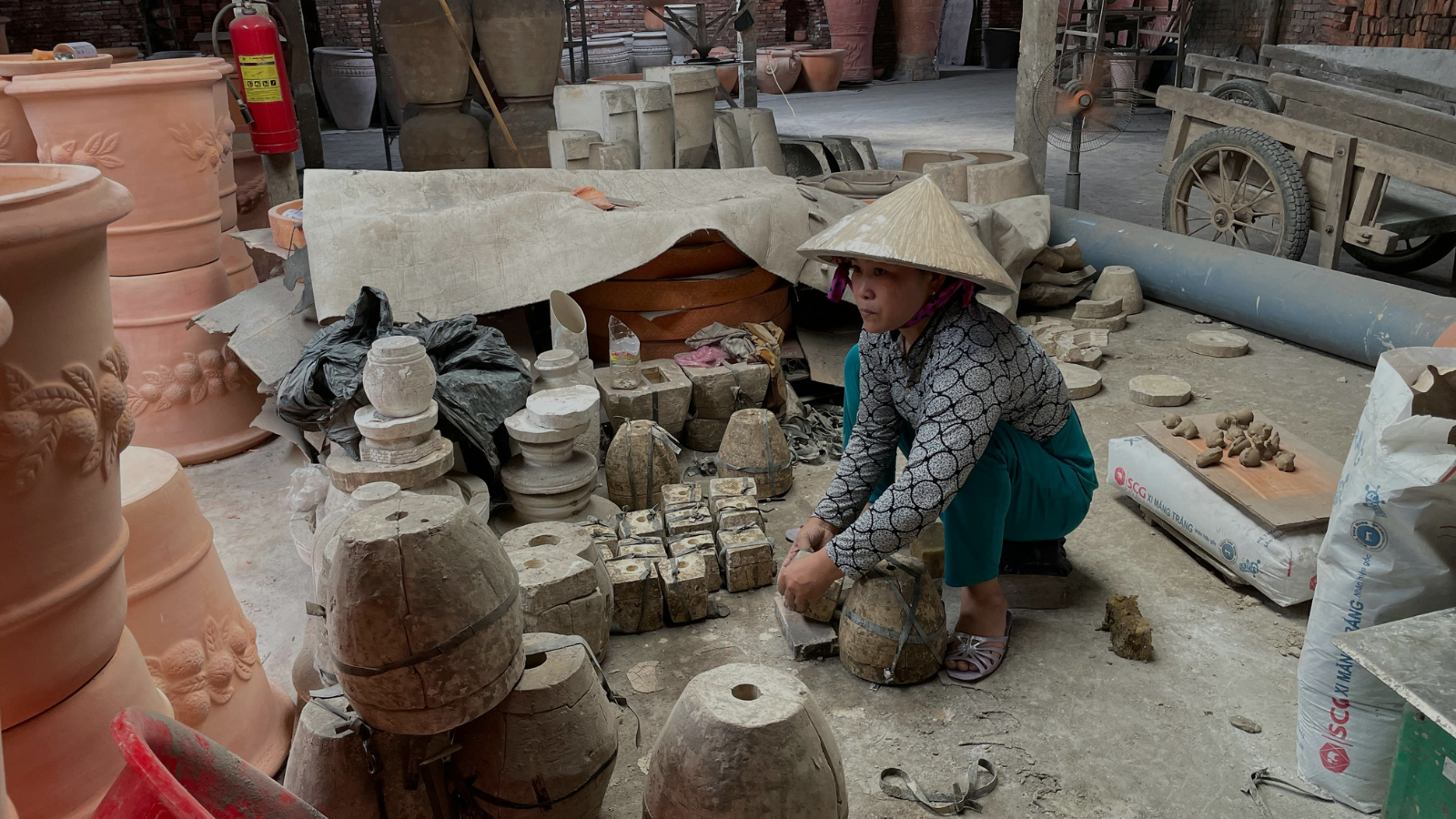
Supplier Wellbeing Driving Sustainable Business Growth
In today’s global marketplace, sustainable business success is closely tied to the wellbeing of suppliers and workers. For B2B companies in the artisan and lifestyle supply-chain space, investing in supplier wellbeing is not only a social responsibility but also a strategic driver of operational resilience, product quality, and long-term growth.
Aligned with May’s theme of Workers, Families, and Cultural Diversity, supplier wellbeing encompasses fair wages, safe working environments, access to healthcare and education, and opportunities for professional development. These factors directly influence the production of eco friendly goods, including sustainable clothing, sustainable bags, and reusable tote bags. For sustainable brands, prioritizing the wellbeing of artisan partners strengthens ESG performance and fosters inclusive, resilient supply chains.
Understanding Supplier Wellbeing
Supplier wellbeing refers to the holistic support of workers and artisan communities across social, economic, and environmental dimensions. It extends beyond compliance with labor standards to include initiatives that enhance quality of life and empower individuals within the supply chain.
Key components of supplier wellbeing include:
-
Fair and Living Wages: Ensuring artisans receive compensation that supports their families and communities.
-
Safe and Healthy Working Conditions: Providing environments that minimize risks and promote physical wellbeing.
-
Access to Healthcare and Education: Supporting long-term community development.
-
Financial Stability: Offering predictable orders and fair pricing structures.
-
Capacity Building: Enabling artisans to enhance skills and productivity.
-
Gender Equality and Inclusion: Promoting equal opportunities within the workforce.
The International Labour Organization emphasizes that decent work is fundamental to sustainable economic growth and social equity. For sustainable brands, integrating these principles into supplier relationships ensures ethical and resilient supply chains.
The Business Case for Supplier Wellbeing
1. Enhanced Product Quality
Artisans who work in supportive environments are more motivated and attentive to craftsmanship. This results in higher-quality eco friendly products, from finely detailed sustainable clothing to durable sustainable bags and well-crafted tote bags. Consistent quality strengthens brand reputation and customer satisfaction.
2. Increased Supply Chain Reliability
Supplier wellbeing contributes to workforce stability and reduces turnover. When artisans experience financial security and safe working conditions, production schedules become more predictable. This reliability is essential for sustainable brands seeking dependable sourcing partners.
3. Stronger ESG Performance
Environmental, Social, and Governance frameworks increasingly emphasize social impact metrics. Investing in supplier wellbeing supports ESG reporting and aligns with global sustainability standards such as the Global Reporting Initiative. Transparent reporting enhances credibility with investors, retailers, and corporate buyers.
4. Long-Term Cost Efficiency
While initiatives supporting wellbeing may require upfront investment, they often lead to long-term savings through improved productivity, reduced disruptions, and stronger partnerships. For companies producing sustainable clothing, sustainable bags, and tote bags, these efficiencies translate into sustainable growth.
Economic Empowerment and Community Development
Supplier wellbeing has a profound ripple effect on local communities. When artisans receive fair compensation, they reinvest in education, healthcare, and local infrastructure. This economic empowerment fosters community resilience and social stability.
According to the World Bank, inclusive economic participation significantly reduces poverty and promotes sustainable development. For sustainable brands, supporting supplier wellbeing aligns business objectives with broader social impact goals.
Family-run enterprises, which are common in artisan supply chains, particularly benefit from wellbeing initiatives. These businesses often produce eco friendly goods such as sustainable clothing, sustainable bags, and tote bags, and their success directly supports multiple generations within a community.
The Link Between Wellbeing and Environmental Responsibility
Supplier wellbeing and environmental sustainability are closely interconnected. When artisans operate in stable and supportive environments, they are better positioned to adopt eco friendly production methods. These may include:
-
Using natural or organic fibers in sustainable clothing
-
Repurposing materials to create sustainable bags
-
Designing long-lasting tote bags to reduce single-use waste
-
Implementing waste reduction and recycling practices
The United Nations Environment Programme highlights the importance of integrating social and environmental sustainability to achieve responsible production and consumption. For sustainable brands, investing in supplier wellbeing strengthens both social and environmental impact.
Transparency and Traceability in Supplier Relationships
Transparency is essential for ensuring and communicating supplier wellbeing. B2B buyers increasingly expect traceability across the supply chain to verify ethical labor practices and social impact.
Certification systems such as those promoted by Fair Trade International provide assurance that suppliers adhere to fair labor and trade standards. These frameworks enhance credibility and build trust among stakeholders.
Internal initiatives also play a significant role. Platforms like Meet the Creators allow brands to showcase the stories and contributions of artisan partners, fostering transparency and deeper connections with buyers. Additionally, collections such as Women Owned Sustainable Brands highlight inclusive sourcing and the empowerment of women entrepreneurs.
Suppliers seeking to expand their market reach can benefit from programs like Sell With Just, which provide access to global B2B opportunities while maintaining ethical and sustainable practices.
Strategies for Enhancing Supplier Wellbeing
1. Establish Fair Pricing Models
Ensuring that pricing structures allow suppliers to pay living wages is fundamental. Transparent cost breakdowns and long-term contracts provide financial stability for artisans producing sustainable clothing, sustainable bags, and tote bags.
2. Provide Capacity Building and Training
Investing in skill development enhances productivity and enables artisans to meet evolving market demands. Training programs can focus on quality improvement, eco friendly production techniques, and business management.
3. Support Health and Safety Initiatives
Implementing workplace safety measures and facilitating access to healthcare services significantly improves overall wellbeing and productivity.
4. Promote Gender Equality and Inclusion
Empowering women and marginalized groups fosters diversity and innovation. Inclusive practices strengthen the social impact of sustainable brands and align with global DEI objectives.
5. Foster Long-Term Partnerships
Building collaborative, long-term relationships with suppliers encourages mutual growth and trust. Predictable order volumes enable artisans to plan effectively and invest in sustainable production.
Measuring the Impact of Supplier Wellbeing
To effectively communicate the value of wellbeing initiatives, companies should track and report key metrics, such as:
-
Percentage of suppliers receiving living wages
-
Number of artisans benefiting from health and safety programs
-
Training hours provided to workers
-
Gender representation within supplier organizations
-
Community development investments
Utilizing frameworks like the United Nations Sustainable Development Goals, particularly Goal 8 (Decent Work and Economic Growth) and Goal 3 (Good Health and Wellbeing), enables sustainable brands to align their initiatives with global sustainability priorities.
Supplier Wellbeing as a Competitive Advantage
In an increasingly conscious marketplace, supplier wellbeing differentiates sustainable brands from competitors. Businesses that prioritize the people behind their products build stronger reputations and deeper relationships with B2B buyers.
Products such as eco friendly sustainable clothing, sustainable bags, and tote bags carry greater value when their creation supports ethical and inclusive practices. This added value enhances brand storytelling and strengthens customer loyalty.
Furthermore, companies that invest in wellbeing are better positioned to adapt to regulatory changes and evolving stakeholder expectations, ensuring long-term resilience and success.
Supplier wellbeing is a powerful driver of sustainable business growth. By investing in fair wages, safe working conditions, capacity building, and inclusive practices, B2B companies can create resilient and ethically grounded supply chains.
For sustainable brands, prioritizing the wellbeing of artisans producing eco friendly goods, sustainable clothing, sustainable bags, and reusable tote bags strengthens ESG performance, enhances product quality, and fosters long-term partnerships.
As we celebrate May’s focus on Workers, Families, and Cultural Diversity, the message is clear: when suppliers thrive, businesses flourish, and sustainability becomes truly meaningful. Supporting supplier wellbeing is not only the right thing to do—it is a strategic pathway to inclusive and enduring business success.