Handmade vs. Mass-Produced – Making Conscious Consumer Choices
In today’s fast-paced, convenience-driven world, we’re often tempted to choose mass-produced products for their accessibility and price. But there’s a growing movement among conscious consumers to rethink that choice—and for good reason. Choosing handmade over mass-produced isn't just a matter of aesthetics; it's about making more ethical, eco-conscious decisions that support people and the planet.
What’s the Real Difference?
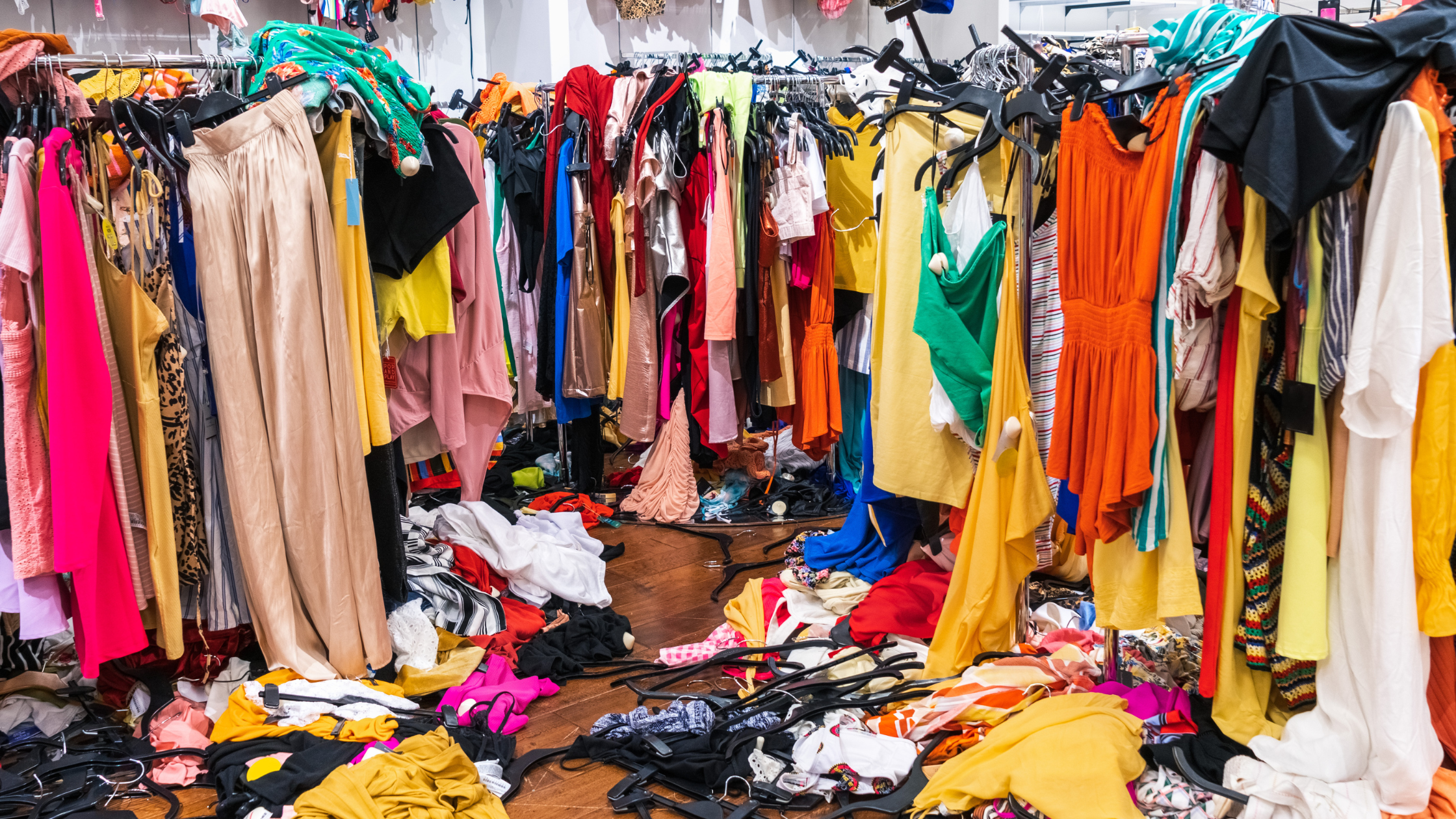
Mass-produced items are typically created in high volumes using machinery, often with little regard for environmental sustainability or labor conditions. They’re designed for speed, scale, and profit.
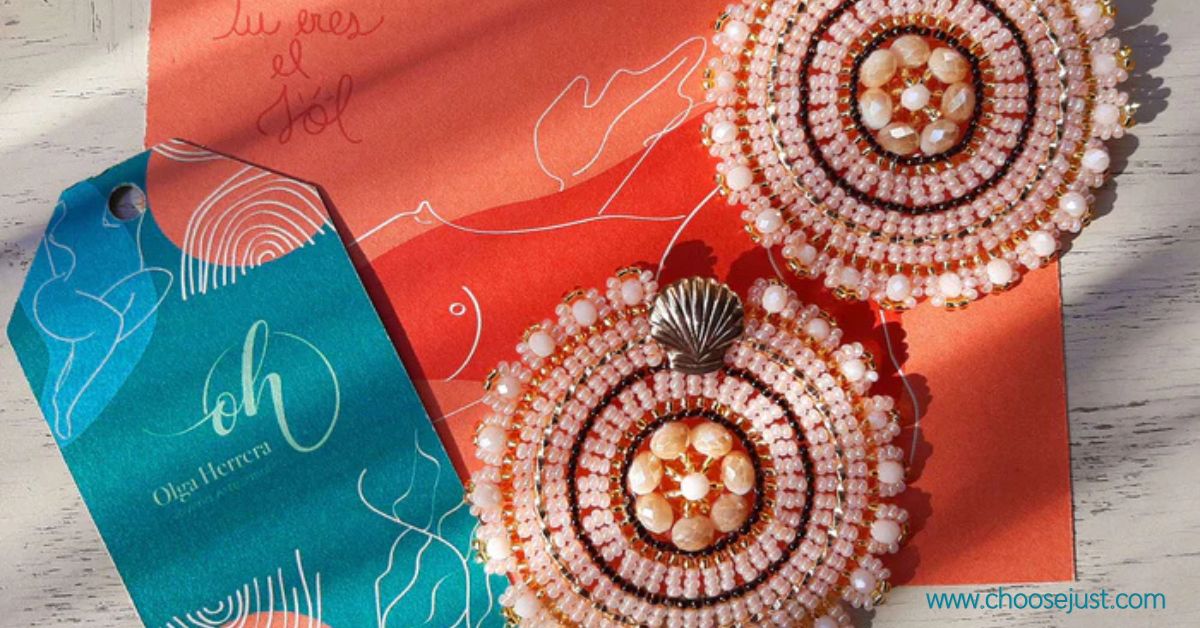
Handmade goods, by contrast, are crafted in small batches—often one at a time—by skilled artisans using traditional methods. These items are usually made with care, intention, and sustainable materials.
The Environmental Cost of Mass Production
Mass production contributes significantly to global pollution and waste. Think about the energy consumption, water use, and chemical runoff in large-scale factories. Add in packaging waste and emissions from international shipping, and the environmental toll quickly adds up.
Handmade products, on the other hand, are often created locally and use minimal or recyclable packaging. Artisans are more likely to use natural or repurposed materials, creating less environmental impact overall.
Quality and Longevity
Handmade goods often last longer. Because they’re crafted with attention to detail, they tend to be more durable and unique. That handcrafted leather bag or woven scarf isn’t just stylish—it’s built to last, and its imperfections tell a story that mass-produced goods can't replicate.
Supporting Real People, Not Just Corporations
Buying handmade means supporting individual artisans and small businesses—often women, local makers, and marginalized communities. Your purchase directly empowers someone and helps preserve their culture, craft, and livelihood.
Mass-produced products, meanwhile, are frequently tied to exploitative labor conditions, especially in countries lacking strict labor laws.
The Emotional Connection
There’s something deeply satisfying about knowing the story behind what you buy. When you purchase a handmade item, you’re part of a meaningful exchange. You value the effort, creativity, and identity behind the product.
How to Shop More Consciously
-
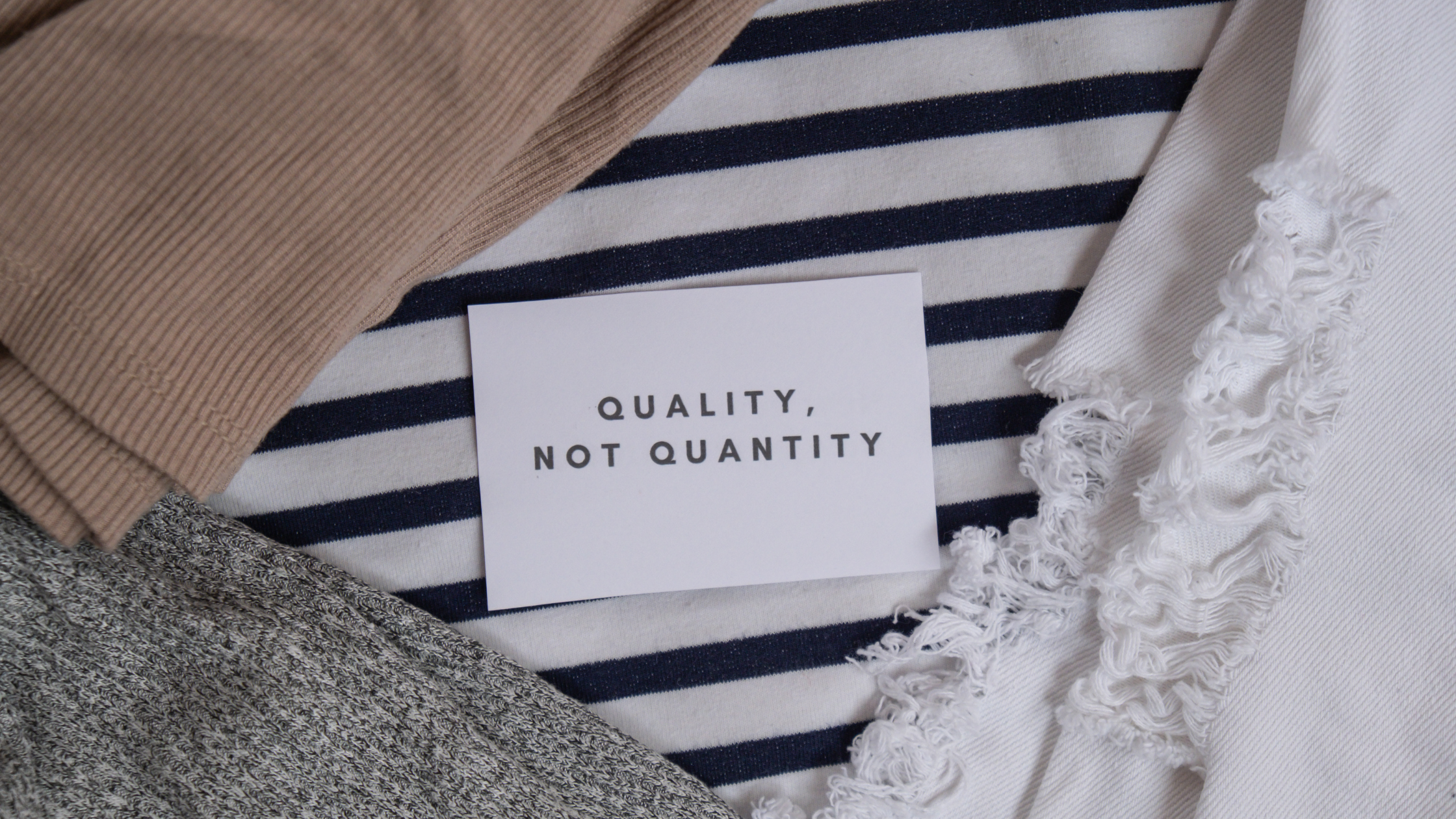
Start with intention: Buy less, but buy better.
-
Research the maker: Look into who’s behind the product and what their values are.
-
Support local artisans: Explore farmers markets, craft fairs, and small online shops.
-
Prioritize sustainable materials: Choose natural fibers, upcycled fabrics, and non-toxic dyes.
-
Spread the word: Share your finds and the stories behind them with friends and family.
Earth Month Challenge
This Earth Month, replace just one mass-produced item with something handmade. Whether it’s a piece of jewelry, a decorative item, or a wardrobe staple, that small switch can spark a powerful mindset shift toward sustainable living.
By making thoughtful choices, we reduce waste, uplift communities, and invest in products with purpose.