

ESG Leadership in Responsible Supply Chains
Environmental, Social, and Governance (ESG) leadership is no longer a differentiator. It is a requirement for businesses operating in global supply chains. For B2B companies in the artisan and lifestyle sector, ESG principles guide how products are sourced, how workers are treated, and how environmental impact is managed.
Aligned with June’s focus on Environment, Oceans, and Child Protection, ESG leadership requires a holistic approach to responsibility. From ensuring ethical labor practices to adopting ocean-friendly production and sustainability certifications, businesses must take accountability across their entire supply chain.
For companies producing eco-friendly goods, including sustainable clothing, sustainable bags, and reusable tote bags, ESG leadership strengthens credibility, ensures compliance, and builds long-term resilience. For sustainable brands, it is the foundation of responsible growth.
What ESG Leadership Means in Supply Chains
ESG leadership involves integrating environmental, social, and governance considerations into every aspect of business operations. In supply chains, this means ensuring that sourcing, production, and distribution practices align with global sustainability standards.
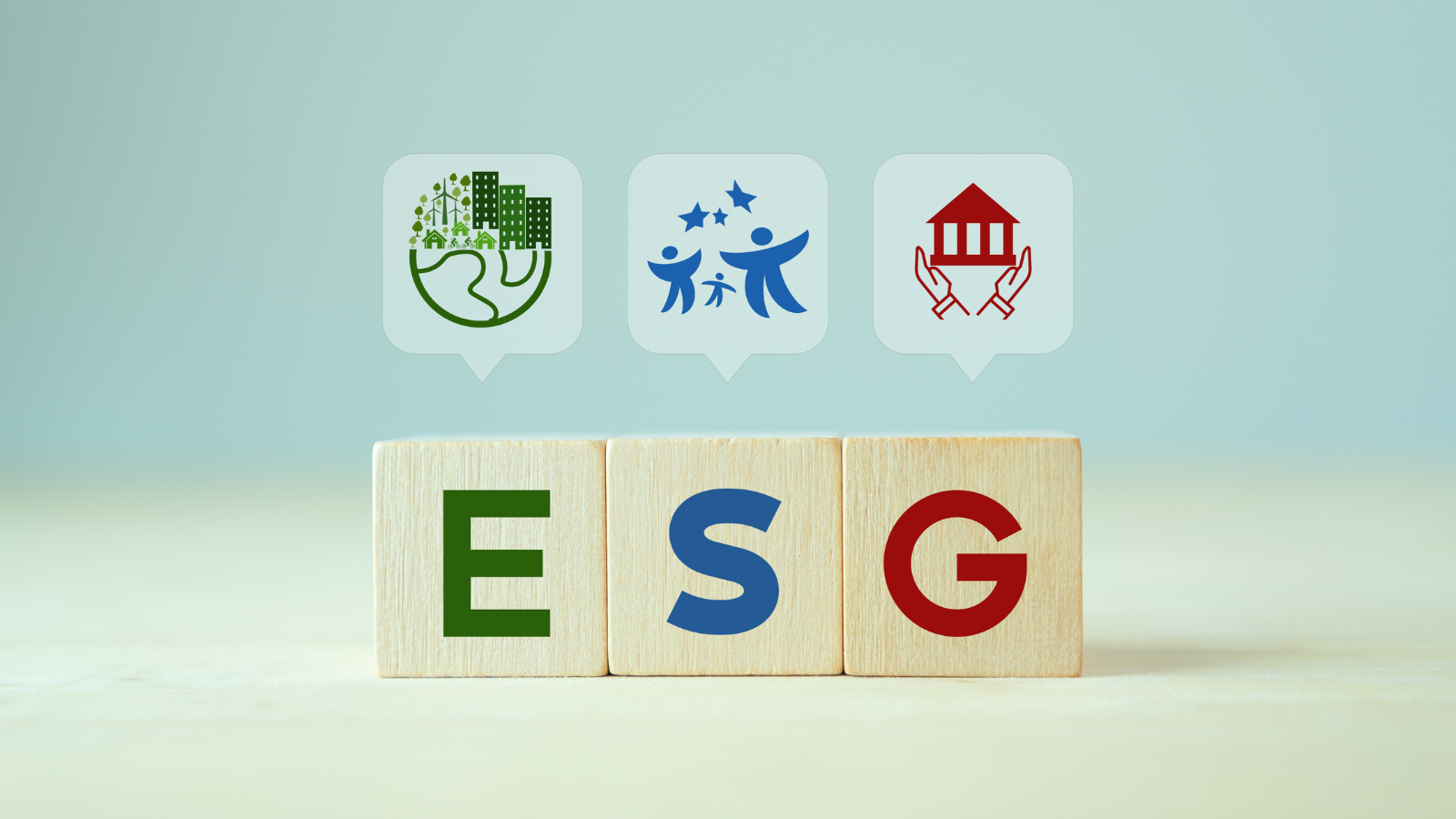
Environmental Responsibility
Reducing environmental impact through sustainable sourcing, waste reduction, and resource efficiency.
Social Responsibility
Protecting worker rights, preventing child labor, and supporting supplier wellbeing.
Governance
Ensuring transparency, compliance, and ethical decision-making across supply networks.
Frameworks such as the Global Reporting Initiative provide guidance for measuring and reporting ESG performance.
For sustainable brands, ESG leadership ensures that eco-friendly products and tote bags are not only environmentally responsible but also ethically produced.
Environmental Responsibility in Supply Chains
Environmental impact is a key component of ESG. Businesses must address issues such as resource consumption, waste generation, and pollution.
Sustainable Sourcing
Selecting materials with lower environmental impact is essential. This includes using organic fibers for sustainable clothing, recycled materials for sustainable bags, and durable inputs for tote bags.
Organizations like Textile Exchange provide standards for responsible material sourcing.
Waste Reduction and Circularity
Reducing waste through circular design helps minimize environmental impact. This includes:
-
Designing long-lasting, eco-friendly products
-
Reusing materials in sustainable bags
-
Encouraging recycling and product take-back programs
The Ellen MacArthur Foundation highlights circular economy principles as essential for sustainable production.
Ocean Protection
Reducing plastic waste and chemical runoff is critical for protecting marine ecosystems. The United Nations Environment Programme emphasizes the need for sustainable production to prevent ocean pollution.
For sustainable brands, environmental responsibility ensures that eco-friendly goods contribute to global sustainability goals.
Social Responsibility and Ethical Labor Practices
Social responsibility focuses on the well-being of workers and communities involved in supply chains.
Preventing Child Labor
Eliminating child labor is a core component of ESG leadership. Businesses must implement strict policies and monitoring systems to ensure compliance.
The International Labor Organization provides guidelines for identifying and addressing child labor risks.
Supporting Supplier Wellbeing
Supplier well-being includes fair wages, safe working conditions, and access to opportunities for growth. These factors directly influence the quality and reliability of sustainable clothing, sustainable bags, and tote bags.
Promoting Inclusion and Diversity
Inclusive supply chains support women-owned and minority-led enterprises. Collections like Women Owned Sustainable Brands demonstrate how inclusive sourcing strengthens both social impact and business performance.
For sustainable brands, social responsibility enhances trust and builds stronger relationships with suppliers and buyers.
Governance and Transparency
Governance ensures that ESG principles are implemented effectively and consistently across supply chains.
Transparency and Traceability
Traceability allows businesses to track products from raw materials to finished goods. This is particularly important for verifying the production of eco-friendly goods and ensuring compliance with labor and environmental standards.
Platforms like Meet the Creators help improve transparency by connecting buyers with the artisans behind sustainable clothing, sustainable bags, and tote bags.
Compliance and Reporting
Companies must comply with global regulations and report their ESG performance transparently. Standards such as the OECD Due Diligence Guidance provide frameworks for responsible business conduct.
Certifications
Sustainability certifications validate ESG efforts and provide third-party verification. Certifications such as Fair Trade and GOTS ensure that sustainable brands meet environmental and social standards.
Building ESG-Driven Supplier Partnerships
Strong supplier relationships are essential for implementing ESG principles effectively.
Key Strategies
-
Establish clear ESG expectations and supplier codes of conduct
-
Provide training on eco-friendly production methods
-
Support suppliers in achieving certifications
-
Foster long-term partnerships for stability and growth
-
Collaborate on innovation in sustainable clothing and sustainable bags
Suppliers can expand their reach through platforms like Sell With Just, enabling them to scale responsibly while maintaining ESG standards.
For sustainable brands, collaboration ensures that ESG principles are embedded throughout the supply chain.
Measuring ESG Performance
Tracking ESG performance is essential for accountability and continuous improvement.
Key Metrics
-
Carbon emissions and energy usage
-
Water consumption and waste reduction
-
Percentage of certified suppliers
-
Worker wellbeing indicators
-
Supplier diversity metrics
The United Nations Sustainable Development Goals provide a global framework for aligning ESG initiatives, particularly:
-
Goal 8: Decent Work and Economic Growth
-
Goal 12: Responsible Consumption and Production
-
Goal 14: Life Below Water
For sustainable brands, measuring these metrics ensures that eco-friendly products and tote bags meet both environmental and social standards.
The Business Value of ESG Leadership
Adopting ESG leadership offers significant advantages for B2B companies:
-
Stronger Brand Reputation: Builds trust with buyers and stakeholders
-
Regulatory Compliance: Meets evolving global standards
-
Operational Efficiency: Reduces waste and improves resource management
-
Market Differentiation: Positions brands as leaders in sustainability
-
Risk Mitigation: Reduces exposure to environmental and social risks
For companies producing eco-friendly goods, ESG leadership transforms sustainability into a competitive advantage.
ESG leadership is essential for building responsible and resilient supply chains. By integrating environmental responsibility, ethical labor practices, and transparent governance, businesses can create sustainable systems that benefit both people and the planet.
For sustainable brands, aligning ESG principles with the production of eco-friendly goods, sustainable clothing, sustainable bags, and reusable tote bags strengthens credibility, enhances compliance, and drives long-term growth.
As we reflect on June’s focus on Environment, Oceans, and Child Protection, the path forward is clear. Responsible supply chains must prioritize both environmental sustainability and social impact.
When ESG leadership is embedded in every decision, businesses not only succeed—they lead meaningful change.

%20leadership%20is%20no%20longer%20a%20differentiator.%20It%20is%20a%20requirement%20for%20businesses%20operating%20in%20global%20supply%20chains.%20For%20B2B%20companies%20in%20the%20artisan%20and%20life...)