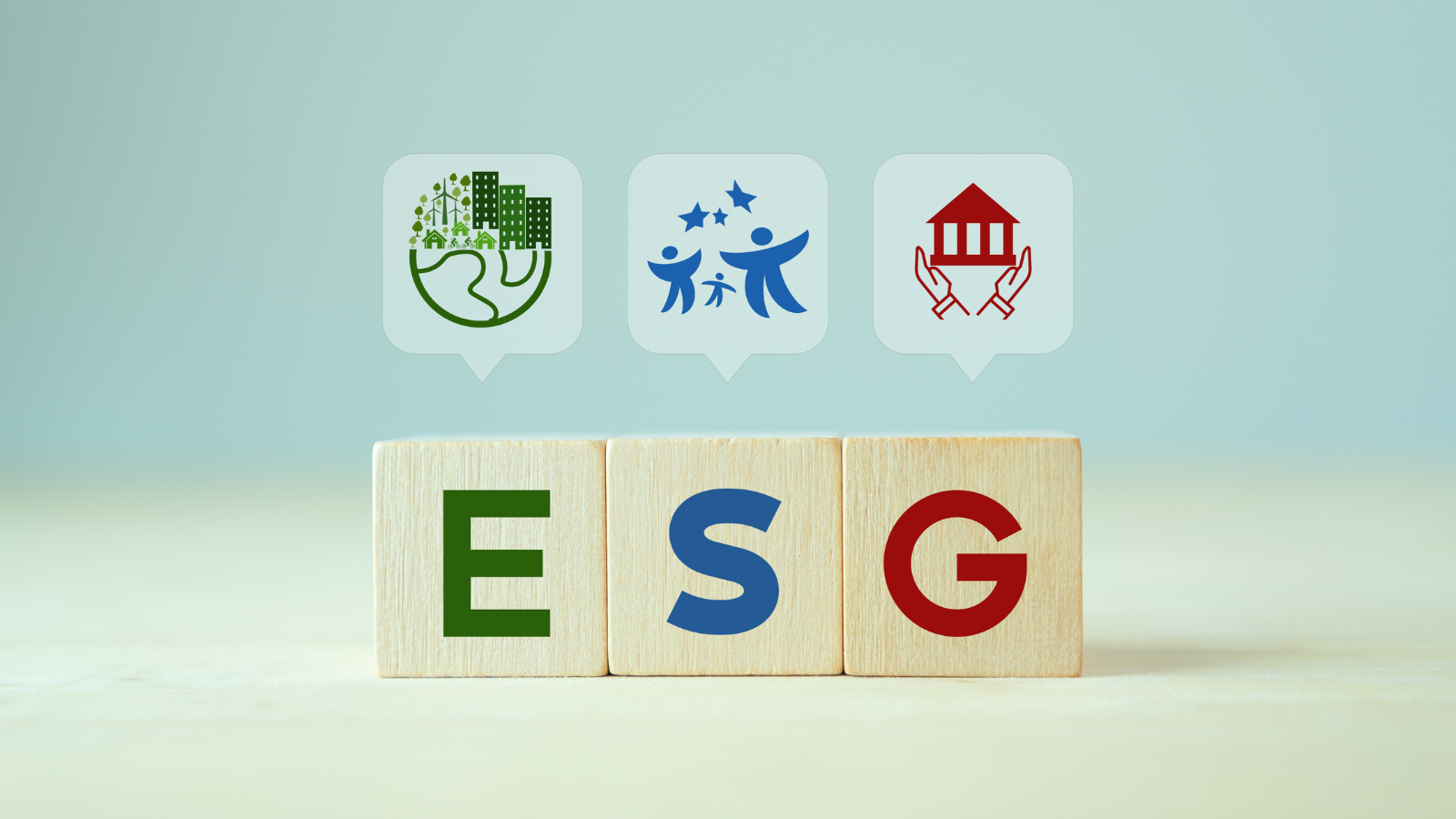
Traceable Supply Chains Supporting ESG Accountability
Transparency is becoming one of the most important expectations in global supply chains. Buyers, regulators, and stakeholders increasingly want to know where products come from, how they are made, and whether ethical and environmental standards are being followed throughout production.
For B2B companies operating in artisan and lifestyle industries, traceability is now a key component of ESG accountability. It strengthens trust, supports compliance, and improves supply chain resilience. As June highlights Environment, Oceans, and Child Protection, traceable supply chains help businesses identify environmental risks, prevent unethical labor practices, and ensure responsible sourcing.
For companies producing eco-friendly goods such as sustainable clothing, sustainable bags, and reusable tote bags, traceability provides the visibility needed to build credible and responsible operations. For sustainable brands, it transforms sustainability claims into measurable proof.
What Supply Chain Traceability Means
Traceability refers to the ability to track materials, suppliers, and production processes across the entire supply chain. It allows businesses to understand where products originate, how they are manufactured, and which stakeholders are involved at every stage.
According to the OECD Due Diligence Guidance, traceability is essential for identifying and mitigating environmental and social risks within global supply chains.
For sustainable brands, traceability improves oversight in the production of eco-friendly products, including sustainable clothing, sustainable bags, and tote bags.
Why Traceability Matters for ESG Leadership
Strengthening Environmental Accountability
Traceable systems help companies measure environmental impact more accurately. Businesses can monitor:
-
Material sourcing practices
-
Carbon emissions
-
Water usage
-
Waste generation
-
Packaging impact
For eco-friendly production, this visibility supports better environmental reporting and more responsible sourcing decisions.
The Global Reporting Initiative emphasizes transparent supply chain disclosures as a critical part of ESG reporting.
Preventing Child Labor and Ethical Risks
One of the biggest challenges in global supply chains is identifying hidden labor risks, especially in subcontracted or informal production environments.
Traceability helps companies:
-
Identify high-risk suppliers
-
Monitor labor practices
-
Ensure compliance with ethical standards
-
Improve supplier accountability
The International Labor Organization highlights supply chain transparency as an important tool in preventing child labor.
For sustainable brands, traceable systems ensure that sustainable clothing, sustainable bags, and tote bags are produced under fair and ethical conditions.
Traceability and Sustainable Sourcing
Sustainable sourcing relies on knowing exactly where materials originate and how they are processed.
For companies producing eco-friendly goods, traceability improves confidence in:
-
Organic fibers used in sustainable clothing
-
Recycled inputs for sustainable bags
-
Environmentally responsible packaging for tote bags
-
Supplier compliance with sustainability standards
Organizations such as Textile Exchange provide frameworks for responsible sourcing and supply chain transparency.
For sustainable brands, traceable sourcing reduces environmental risk while strengthening buyer confidence.
Building Transparent Supplier Relationships
Strong supplier relationships are essential for successful traceability initiatives.
Key Strategies Include:
-
Establishing clear supplier standards
-
Conducting regular audits and assessments
-
Creating open communication channels
-
Supporting suppliers with ESG training
-
Encouraging long-term collaboration
Platforms like Meet the Creators strengthen transparency by showcasing artisan communities behind eco-friendly production.
Collections such as Women Owned Sustainable Brands further demonstrate commitment to responsible and inclusive sourcing.
Technology and Traceability
Digital tools are transforming how businesses manage traceability.
Common Technologies Include:
-
QR code tracking systems
-
Blockchain verification
-
Supplier management platforms
-
Digital inventory tracking
-
ESG reporting software
These tools improve visibility and simplify compliance reporting for sustainable brands producing sustainable clothing, sustainable bags, and reusable tote bags.
The World Economic Forum highlights digital traceability as a major driver of responsible supply chain transformation.
Certifications Supporting Traceability
Third-party certifications help validate traceability and responsible sourcing practices.
Relevant certifications include:
These certifications provide assurance that eco-friendly goods and sustainable clothing are produced according to verified environmental and social standards.
For B2B buyers, certifications increase trust and reduce sourcing uncertainty.
Traceability Supporting Ocean Protection
Traceable supply chains also help reduce environmental damage to oceans by identifying pollution risks throughout production.
Businesses can use traceability systems to monitor:
-
Plastic packaging usage
-
Chemical discharge in textile production
-
Waste disposal practices
-
Material recyclability
The United Nations Environment Program emphasizes the importance of responsible production systems in protecting marine ecosystems.
For sustainable brands, traceability ensures that sustainable bags and tote bags align with ocean-friendly production goals.
Measuring Traceability Success
To strengthen ESG accountability, businesses should track measurable indicators such as:
-
Percentage of traceable suppliers
-
Certified material usage
-
Supplier audit completion rates
-
Reduction in environmental violations
-
Supplier compliance with labor standards
The United Nations Sustainable Development Goals, particularly Goal 12 (Responsible Consumption and Production), encourage transparent and sustainable supply chain practices.
Tracking these metrics helps sustainable brands demonstrate progress and strengthen stakeholder confidence.
The Business Value of Traceability
Traceable supply chains offer several strategic advantages:
-
Improved buyer trust and transparency
-
Better ESG reporting capabilities
-
Reduced reputational and compliance risk
-
Stronger supplier accountability
-
Enhanced operational resilience
For companies producing eco-friendly goods, traceability strengthens both sustainability performance and long-term competitiveness.
As demand grows for responsibly sourced, sustainable clothing, sustainable bags, and tote bags, traceability becomes a critical business differentiator.
Traceable supply chains are essential for ESG accountability and responsible business growth. By improving visibility across sourcing, production, and supplier relationships, companies can strengthen environmental responsibility, prevent unethical labor practices, and enhance transparency.
For sustainable brands, traceability supports the ethical production of eco-friendly goods, sustainable clothing, sustainable bags, and reusable tote bags while building trust with buyers and stakeholders.
As June focuses on the Environment, Oceans, and Child Protection, the importance of accountability in supply chains becomes increasingly clear.
When businesses can trace their impact, they can improve it. And when transparency becomes standard, sustainability becomes credible.