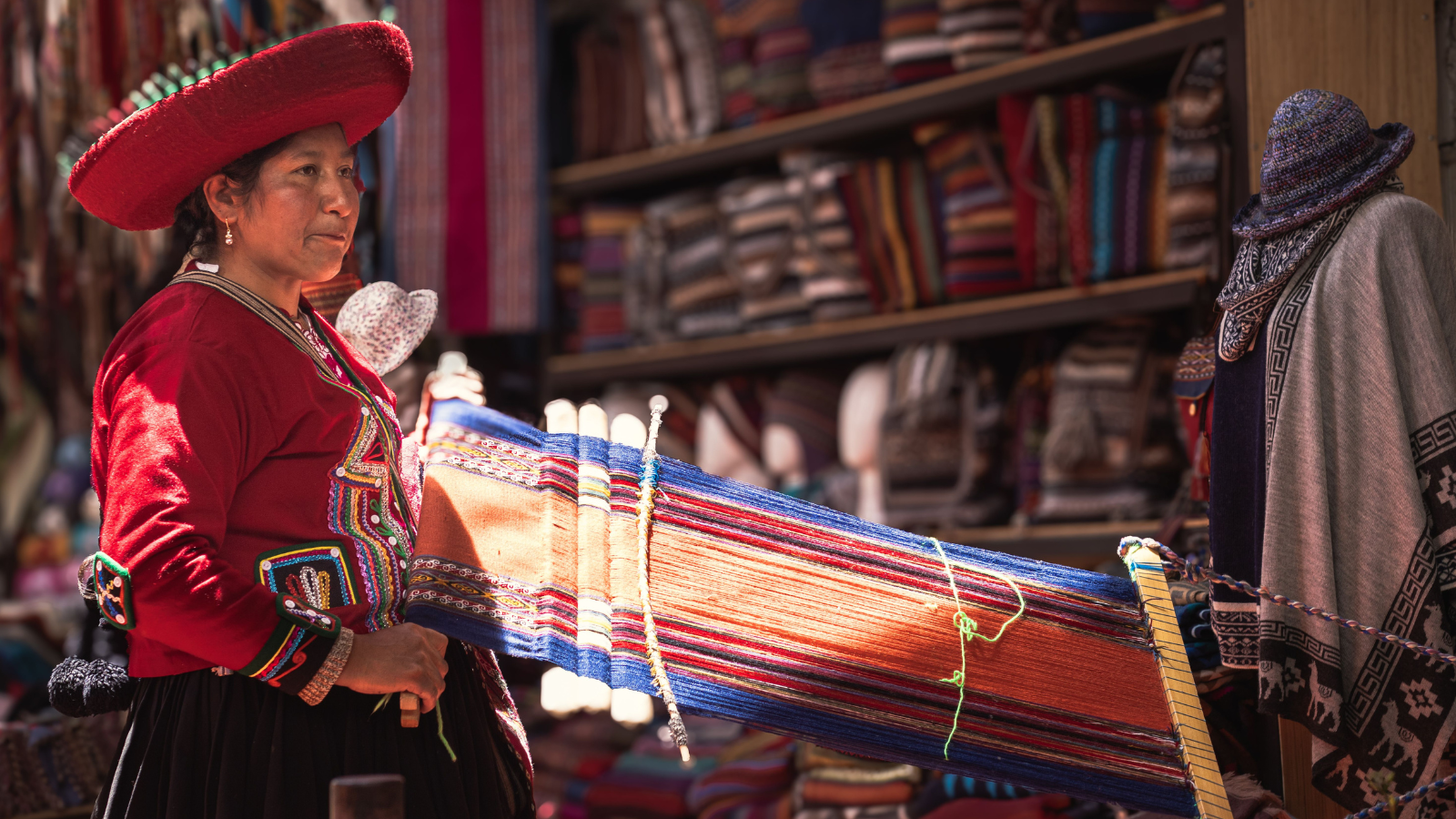
Preserving Heritage Through Ethical Sourcing
Ethical sourcing is no longer limited to product quality, pricing, or delivery timelines. For B2B buyers, it now includes deeper questions about cultural respect, artisan partnerships, and the preservation of heritage crafts. Retailers, corporate procurement teams, and sustainability leaders are increasingly expected to understand not only where products come from, but also who made them, how they were made, and whether traditional knowledge was respected in the process.
For Just, ethical sourcing connects business growth with cultural preservation. When buyers choose eco-friendly products made through artisan partnerships, they help create demand for traditional techniques that might otherwise be replaced by mass production. This matters across categories such as sustainable clothing, sustainable bags, and tote bags, where craftsmanship can carry both commercial and cultural value.
For sustainable brands, heritage-based sourcing offers a strategic advantage. It allows businesses to build product lines that are distinctive, responsible, and connected to real communities. More importantly, it supports ethical collaboration with artisans and Indigenous suppliers whose skills, designs, and knowledge deserve recognition, respect, and fair economic opportunity.
Why Heritage Crafts Matter in B2B Sourcing
Heritage crafts are more than decorative techniques. They represent knowledge passed through generations, often rooted in specific communities, materials, symbols, and cultural practices. According to UNESCO, traditional craftsmanship is one of the most tangible forms of intangible cultural heritage, and safeguarding it depends on supporting the people who continue to practice and teach these skills.
For B2B buyers, this creates an important sourcing consideration. When sustainable brands source products such as sustainable clothing, sustainable bags, and tote bags from artisan communities, they are not simply purchasing inventory. They are participating in a broader value chain that can either protect or weaken cultural heritage.
An eco-friendly product made with traditional techniques can tell a stronger story than a mass-produced alternative. However, that story must be handled with care. Cultural preservation should never become cultural extraction. Ethical sourcing requires buyers to understand the difference between respectfully supporting heritage crafts and using cultural elements without proper context, consent, or compensation.
This is especially important for retailers and corporate buyers seeking to strengthen ESG performance. A supplier relationship built on respect can support social impact goals, supplier diversity, and responsible procurement. In contrast, a poorly managed partnership can expose sustainable brands to reputational risk and undermine the communities they intend to support.
Ethical Collaboration With Artisan Partners
Ethical collaboration begins with recognizing artisans as partners, not just producers. This means involving suppliers in product development, respecting their creative ownership, and understanding the cultural significance of materials, techniques, and designs.
The United Nations Declaration on the Rights of Indigenous Peoples recognizes the rights of Indigenous peoples to maintain, control, protect, and develop their cultural heritage and traditional knowledge. For B2B sourcing teams, this principle can guide better decisions when working with Indigenous suppliers or heritage craft communities.
In practical terms, ethical collaboration may include:
-
Asking whether a design has cultural significance before using it
-
Ensuring artisans approve how their work is described and marketed
-
Paying fair prices that reflect skill, time, and cultural value
-
Avoiding imitation of traditional patterns without permission
-
Creating long-term purchasing relationships instead of one-time orders
These practices matter whether a company sources sustainable clothing, bags, tote bags, home goods, accessories, or corporate gifts. The goal is to create a sourcing model that benefits both the buyer and the artisan community.
For example, a corporate gifting team may choose eco-friendly tote bags made by artisan partners rather than generic promotional items. A retailer may select sustainable bags that reflect traditional weaving or embroidery techniques. A brand may expand into sustainable clothing while highlighting the makers behind the work through Meet the Creators. In each case, ethical collaboration gives the product greater meaning and stronger B2B value.
Cultural Respect as a Supply Chain Standard
Cultural respect should be treated as a core sourcing standard, not a marketing detail added at the end. For sustainable brands, this means building processes that protect both product integrity and community dignity.
The World Intellectual Property Organization notes that traditional cultural expressions can include art, designs, symbols, handicrafts, performances, and other forms of cultural expression. This is highly relevant for buyers sourcing artisan-made goods, because many heritage products carry visual or symbolic meaning.
For B2B teams, cultural respect can be built into procurement workflows through clear questions:
-
Who created the design or technique?
-
Does the artisan community approve its commercial use?
-
Are makers credited accurately?
-
Is the pricing fair for the labor and skill involved?
-
Does the product description avoid stereotypes or vague claims?
-
Can the supplier relationship support long-term economic opportunity?
These questions are useful across product categories. For sustainable clothing, cultural respect may involve proper attribution of textile techniques. For sustainable bags, understanding the origins of weaving or stitching methods may be important. For tote bags, it may involve ensuring printed motifs or handmade details are not copied from cultural traditions without permission.
Eco-friendly sourcing should also consider materials and production methods. A product can be eco-friendly in its material choices but still fall short if the partnership behind it is unethical. The strongest sustainable brands consider both environmental and social responsibility. They understand that eco-friendly procurement and cultural respect must work together.
How Heritage Crafts Support ESG Goals
Heritage craft partnerships can support several ESG priorities, especially when buyers approach them with structure and accountability. For sustainability leaders, artisan sourcing can strengthen social impact, supplier diversity, and responsible supply chain narratives.
The International Labor Organization emphasizes participation and protection for Indigenous and tribal peoples in development efforts that affect them. This principle is useful for companies building sourcing relationships with communities whose traditional knowledge or livelihoods are connected to the products being purchased.
For B2B buyers, heritage craft sourcing can contribute to ESG goals in several ways:
Social impact
Purchasing from artisan suppliers can support livelihoods, skills development, and community-based enterprise. This is especially relevant for women-led artisan businesses and suppliers featured through Women Owned Sustainable Brands.
Supplier diversity
Working with Indigenous suppliers, women-led businesses, and artisan enterprises can broaden a company’s supplier base. This helps sustainable brands move beyond conventional sourcing channels and build more inclusive procurement practices.
Environmental responsibility
Many traditional techniques use low-waste, handmade, or locally rooted production methods. When paired with responsible materials, these practices can support eco-friendly sourcing goals across sustainable clothing, sustainable bags, and tote bags.
Brand differentiation
Heritage crafts offer products with authentic stories, skilled production, and distinctive design. For retailers and corporate buyers, this can create stronger merchandising, gifting, and storytelling opportunities.
However, ESG value depends on authenticity. Sustainable brands should avoid treating artisan partnerships as a branding shortcut. Fair purchasing practices, transparent communication, and respect for cultural ownership must support the impact.
Best Practices for B2B Buyers
To preserve heritage through ethical sourcing, buyers need clear standards. These best practices can help procurement teams evaluate artisan partnerships more responsibly.
1. Source from verified artisan partners
Choose suppliers who can clearly explain their production process, maker relationships, and community impact. Platforms such as Sell With Just help create pathways for artisan and sustainable brands to connect with responsible buyers.
2. Prioritize transparency over trend appeal
Heritage crafts should not be used only because they look unique or seasonal. Buyers should understand the cultural and production context behind sustainable clothing, sustainable bags, and tote bags before promoting them.
3. Build long-term relationships
One-time purchases may generate short-term revenue, but long-term partnerships help artisans plan production, retain skills, and invest in their communities. Ethical sourcing works best when buyers treat suppliers as strategic partners.
4. Align products with buyer intent
Retailers may prioritize product differentiation, while corporate buyers may need eco-friendly gifts that reflect ESG commitments. Sustainable tote bags can be strong options for both audiences when sourced with cultural respect and environmental responsibility.
5. Communicate accurately
Marketing language should be specific, respectful, and fact-based. Instead of making broad claims, sustainable brands should describe the actual techniques, materials, and maker partnerships behind each product.
6. Connect sourcing to education
B2B content can help buyers understand why heritage crafts matter. Resources such as the Just B2B Blog can support ongoing education around ethical sourcing, sustainable brands, and responsible procurement.
Preserving heritage through ethical sourcing requires more than buying handmade products. It requires cultural respect, fair collaboration, and a commitment to long-term partnerships with artisans. For B2B buyers, this approach creates an opportunity to source products that are commercially valuable and socially meaningful.
When retailers, corporate gifting teams, and procurement leaders choose eco-friendly products made through responsible artisan partnerships, they help sustain traditional techniques and support communities that carry cultural knowledge forward. This is especially powerful across sustainable clothing, sustainable bags, and tote bags, where materials, methods, and maker stories can all contribute to stronger ESG outcomes.
For sustainable brands, the path forward is clear. Ethical sourcing should protect people, culture, and the environment at the same time. By working with artisan suppliers respectfully and transparently, B2B buyers can help preserve heritage while building more responsible and resilient supply chains.