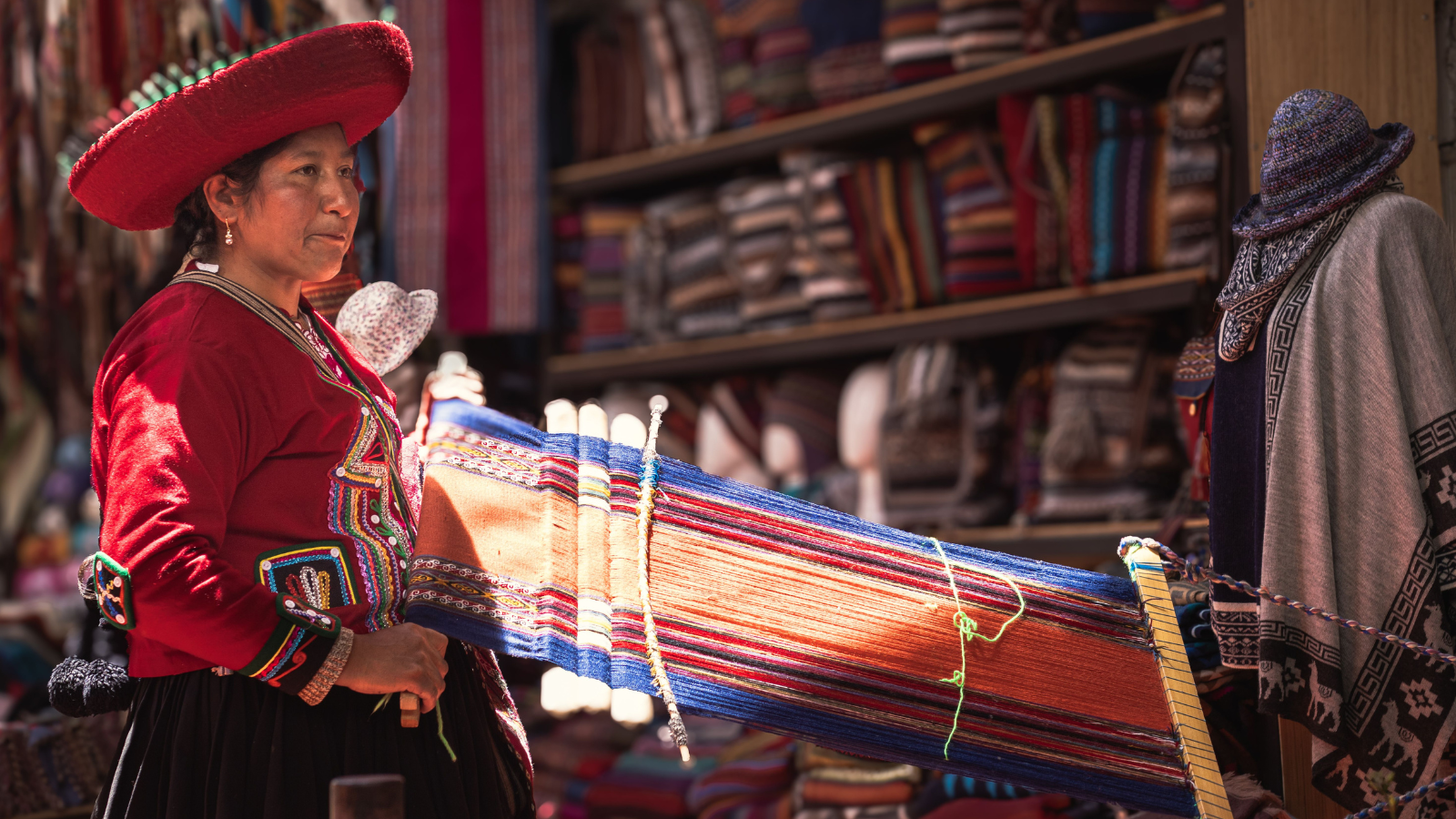
How Artisan Partnerships Strengthen ESG Goals
For B2B buyers, ESG performance is no longer measured only by internal operations. It is increasingly shaped by supplier relationships, sourcing decisions, and the social and environmental impact of every product brought into the market. This is especially true for retailers, corporate gifting teams, procurement leaders, and sustainability professionals who choose products such as sustainable clothing, bags, and tote bags.
Artisan partnerships offer a practical and meaningful way for sustainable brands to strengthen ESG goals. When managed ethically, these partnerships can support environmental responsibility, supplier diversity, cultural preservation, and community-based economic opportunity. They also help businesses source eco-friendly products with stronger stories, deeper accountability, and clearer differentiation.
The key is partnership. Artisan sourcing should not be treated as a one-time transaction or a marketing shortcut. It should be built on respect, fair compensation, transparent communication, and long-term collaboration. For sustainable brands, that approach can turn procurement into a measurable ESG advantage.
Why Artisan Partnerships Matter to ESG
ESG stands for environmental, social, and governance performance. In sourcing, these three pillars are closely connected. A product may use eco-friendly materials, but if the supplier relationship lacks transparency or fair labor practices, the ESG value is incomplete. In the same way, sustainable clothing, sustainable bags, and tote bags should be evaluated not only by what they are made from, but also by how they are made and who benefits from their production.
Artisan partnerships can support all three ESG pillars:
Environmental responsibility
Many artisan products rely on small-batch production, traditional techniques, and material-conscious processes. These practices can align with eco-friendly sourcing goals when paired with responsible fibers, lower-waste design, and durable product quality.
Social impact
Artisan supply chains can support livelihoods, skills development, women-led enterprises, Indigenous suppliers, and community-based businesses. These outcomes are especially important for sustainable brands that want sourcing decisions to contribute to inclusive economic growth.
Governance and accountability
Strong artisan partnerships require clear expectations, fair agreements, transparent product claims, and respectful use of cultural knowledge. These governance practices help reduce reputational risk while supporting more ethical procurement.
UNESCO notes that traditional craftsmanship is deeply connected to the knowledge and skills passed from generation to generation, and safeguarding these practices depends on supporting the artisans who continue to produce and teach them. This makes artisan partnerships relevant not only for product sourcing, but also for cultural preservation.
The Social Value of Artisan Supply Chains
The social pillar of ESG is where artisan partnerships often create the most visible value. For B2B buyers, working with artisan suppliers can help expand supplier diversity, support underrepresented entrepreneurs, and create economic opportunities in communities that may be excluded from conventional global supply chains.
This is particularly relevant for companies sourcing sustainable clothing, sustainable bags, and tote bags from women-led or Indigenous suppliers. These products can help procurement teams align purchasing with supplier diversity goals while offering customers products with strong social impact.
For example, buyers looking for women-led businesses can explore Women Owned Sustainable Brands to source products that support both responsible retail and inclusive procurement. Similarly, learning more about artisan makers through Meet the Creators helps buyers understand the people and skills behind each product.
The International Labor Organization’s Indigenous and Tribal Peoples Convention emphasizes that Indigenous and tribal peoples should enjoy human rights and fundamental freedoms without discrimination. For sourcing teams, this reinforces the importance of respectful, fair, and rights-aware relationships with Indigenous suppliers and heritage craft communities.
When sustainable brands build sourcing strategies around dignity and partnership, they move beyond simple product purchasing. They help create business relationships that value expertise, cultural knowledge, and community resilience.
Environmental Benefits of Artisan Partnerships
Artisan-made products can also support environmental goals, especially when buyers choose eco-friendly materials and durable designs. In many cases, artisan production methods are less dependent on large-scale industrial processes, which can help sustainable brands offer products that feel more intentional and less disposable.
This matters for categories such as sustainable clothing, sustainable bags, and tote bags. B2B buyers often need products that balance function, brand value, and environmental responsibility. Artisan-made tote bags, for example, can serve as corporate gifts, retail merchandise, or event items while supporting more responsible sourcing.
However, buyers should avoid assuming that handmade automatically means eco-friendly. Environmental impact still depends on materials, dyes, packaging, transportation, waste, and product lifespan. A truly eco-friendly sourcing decision considers the full picture.
B2B teams can ask suppliers questions such as:
-
What materials are used in the product?
-
Are the materials renewable, recycled, upcycled, or responsibly sourced?
-
How much waste is created during production?
-
Are products designed for durability and repeated use?
-
What packaging is used for wholesale or corporate orders?
-
How are sustainable bags or tote bags transported and stored?
The United Nations Sustainable Development Goal 12 focuses on sustainable consumption and production, emphasizing the need to use resources responsibly for current and future generations. This goal is directly relevant for procurement teams choosing eco-friendly products and sustainable brands with lower-impact sourcing models.
Cultural Preservation as ESG Value
Cultural preservation is often missing from traditional ESG conversations, but it is highly relevant to artisan sourcing. Many heritage crafts carry histories, techniques, and meanings that belong to specific communities. When sustainable brands partner with artisans respectfully, they can help sustain these skills while creating market access for products rooted in tradition.
This is especially important for sustainable clothing, sustainable bags, and tote bags that feature weaving, embroidery, dyeing, beadwork, or other traditional techniques. These products may carry more than design value. They may represent cultural identity, inherited knowledge, and community pride.
UNESCO describes intangible cultural heritage as practices, knowledge, and expressions that communities recognize as part of their cultural identity. It also highlights that this heritage supports cultural diversity and mutual respect.
For B2B buyers, cultural preservation should be handled with care. Respectful sourcing means:
-
Gaining permission before using cultural designs or stories
-
Avoiding imitation of traditional patterns without approval
-
Crediting artisans and communities accurately
-
Paying fairly for specialized skill and cultural knowledge
-
Allowing makers to help shape how their work is presented
-
Building long-term demand instead of short-term trend cycles
These practices help sustainable brands avoid cultural appropriation and build more credible partnerships with artisans. They also make product storytelling more responsible. A buyer sourcing sustainable bags should be able to explain not just the product’s material benefits, but also the maker relationship behind it.
Governance and Transparency in Artisan Sourcing
Governance is the ESG pillar that turns good intentions into reliable systems. For artisan partnerships, governance includes supplier vetting, written agreements, quality standards, pricing transparency, claim verification, and ongoing communication.
This is important because B2B buyers are often accountable to internal stakeholders, customers, ESG teams, and procurement policies. A retailer or corporate buyer needs confidence that sustainable clothing, sustainable bags, and tote bags are sourced responsibly and described accurately.
The Global Reporting Initiative describes its standards as global best practice for reporting economic, environmental, and social impacts. For companies that report on supplier practices, responsible sourcing documentation can strengthen credibility and improve internal accountability.
Governance does not need to be overly complicated for artisan partnerships, but it should be clear. Buyers can strengthen accountability by documenting:
-
Supplier ownership and business structure
-
Production location and maker involvement
-
Materials and product specifications
-
Fair pricing and payment terms
-
Cultural permissions where relevant
-
Environmental claims and supporting details
-
Delivery timelines and capacity expectations
This level of transparency benefits both sides. Buyers gain confidence, and artisan suppliers gain clearer expectations and more stable business relationships.
For artisan businesses interested in expanding B2B opportunities, Sell With Just provides a pathway to connect with buyers seeking sustainable brands, eco-friendly products, sustainable clothing, sustainable bags, and tote bags that align with responsible sourcing goals.
How B2B Buyers Can Build Stronger Artisan Partnerships
To make artisan partnerships work as part of an ESG strategy, buyers need a practical approach. The following best practices can help sourcing teams create relationships that are commercially effective and ethically grounded.
1. Start with supplier fit
Choose artisan partners whose products, production capacity, values, and timelines align with your business needs. A strong fit helps sustainable brands avoid overpromising and supports smoother collaboration.
2. Evaluate both product and process
Do not assess sustainable clothing, sustainable bags, or tote bags by appearance alone. Review materials, production methods, labor practices, cultural context, and environmental considerations.
3. Respect creative ownership
Traditional techniques and cultural designs should never be copied or modified without permission. Ethical collaboration requires clear conversations about ownership, credit, and approved use.
4. Plan around artisan production timelines
Handmade products often require more lead time than mass-produced items. Buyers should plan orders early, especially for seasonal retail, corporate gifting, and event-based tote bags.
5. Support consistent demand
Long-term purchasing relationships create more value than one-off orders. Sustainable brands can strengthen ESG outcomes by developing recurring product lines, seasonal collections, or ongoing wholesale partnerships.
6. Use product storytelling responsibly
Buyers should share the story behind eco-friendly products without exaggeration. Resources such as the Just B2B Blog can help B2B audiences better understand ethical sourcing, sustainable brands, and artisan supply chains.
Why Artisan Partnerships Create B2B Advantage
Artisan partnerships help B2B buyers solve several business challenges at once. They support ESG goals, offer differentiated products, create stronger storytelling, and meet growing expectations for responsible procurement.
For retailers, artisan-made sustainable clothing and sustainable bags can help assortments stand out in a crowded market. For corporate gifting teams, eco-friendly tote bags can communicate purpose while offering everyday utility. For sustainability leaders, artisan partnerships can demonstrate a more inclusive approach to sourcing.
The advantage comes from authenticity. Buyers are not simply selecting products. They are choosing supply chain relationships that reflect their values and business strategy.
Sustainable brands that invest in ethical artisan partnerships can build stronger trust with customers, employees, and partners. They can also reduce the risk of vague sustainability claims by grounding their messaging in real maker relationships, responsible materials, and transparent practices.
Artisan partnerships can strengthen ESG goals by connecting environmental responsibility, social impact, cultural preservation, and governance. For B2B buyers, this makes artisan sourcing a strategic opportunity rather than a niche purchasing choice.
When companies source eco-friendly products through respectful partnerships, they help create demand for traditional skills, support inclusive economic opportunity, and build more transparent supply chains. This is especially valuable across sustainable clothing, sustainable bags, and tote bags, where product quality, maker stories, and responsible materials can all work together.
For sustainable brands, the message is clear. The partnerships behind the products shape ESG performance. By choosing artisan suppliers with care, respect, and long-term commitment, B2B buyers can turn sourcing into a force for cultural preservation, community empowerment, and responsible growth.