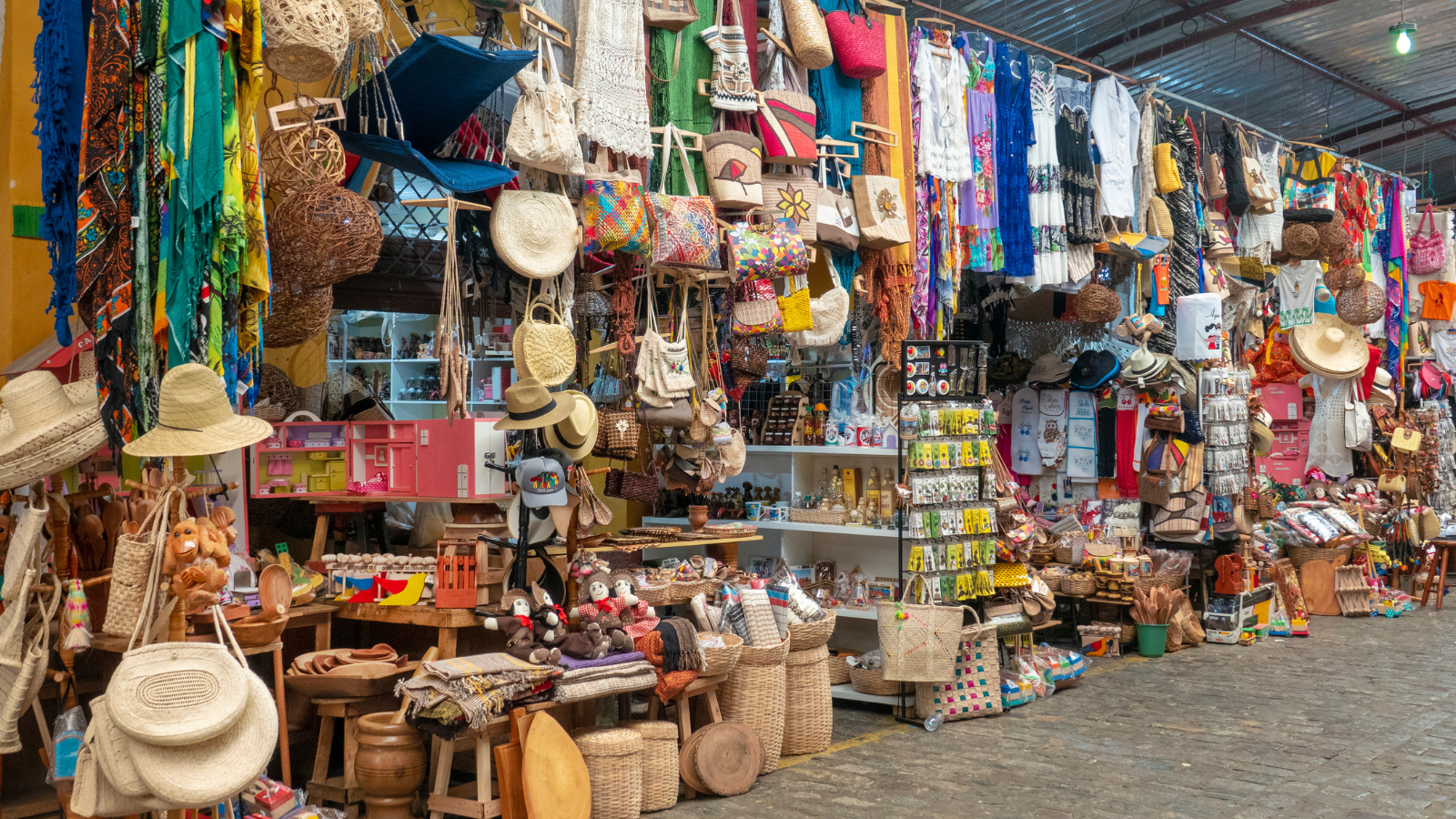
Trade Partnerships That Support Global Impact
Global trade can be more than a channel for moving products across borders. When built on ethical collaboration, fair supplier relationships, and shared responsibility, trade can become a powerful tool for social impact. For B2B buyers, this means every sourcing decision has the potential to support communities, strengthen supply chains, and create measurable value beyond the transaction.
For Just, trade partnerships are rooted in the belief that business can connect markets with purpose. Retailers, wholesalers, corporate procurement teams, and sustainability leaders are increasingly looking for eco-friendly products that support both environmental responsibility and community empowerment. This is especially important across categories such as sustainable clothing, sustainable bags, and tote bags, where supplier partnerships can directly shape the product's social and environmental value.
Sustainable brands that work with artisan businesses, women-led suppliers, and global producer communities can create more than commercial growth. They can help expand economic opportunity, support cross-border cooperation, and build trust between buyers and makers. This is where global impact business begins.
Why Trade Partnerships Matter for B2B Buyers
Trade partnerships influence how products are made, who benefits from production, and how value is shared across the supply chain. For B2B buyers, responsible trade partnerships can support sourcing goals while helping businesses align with ESG, supplier diversity, and sustainability priorities.
The United Nations Sustainable Development Goal 17 focuses on partnerships as a foundation for sustainable development. It emphasizes collaboration across governments, civil society, the private sector, and other stakeholders. For sustainable brands, this principle applies directly to sourcing. Progress requires cooperation between buyers, suppliers, artisan communities, logistics partners, and customers.
A retailer sourcing sustainable clothing, sustainable bags, or tote bags is not only choosing products. The retailer is choosing a supply chain model. A corporate gifting team selecting eco-friendly tote bags is not only buying merchandise. It is deciding whether its procurement supports responsible production and social impact.
Strong trade partnerships help B2B buyers:
- Build more resilient supplier networks
- Support inclusive economic opportunity
- Improve ESG storytelling
- Source products with clearer social value
- Strengthen trust with customers and stakeholders
- Differentiate sustainable brands in competitive markets
- When buyers choose products from Women-Owned Sustainable Brands, they can connect their purchasing decisions to women's entrepreneurship, supplier diversity, and ethical sourcing.
Trade as a Pathway to Social Impact
Trade can create social impact by giving producers access to fair markets, stable demand, and respectful business relationships. This is especially important for artisan businesses and small enterprises that may have limited access to global buyers.
UN Trade and Development highlights the role of trade, investment, finance, and technology as tools for inclusive and sustainable development. For B2B sourcing teams, this reinforces the idea that trade decisions can shape opportunity. When sustainable brands buy from artisan suppliers, they help create demand for skilled work and community-based production.
This is particularly relevant for sustainable clothing, sustainable bags, and tote bags. These categories often involve materials, techniques, and production methods that can support livelihoods when sourced responsibly. An order for sustainable bags may help an artisan group maintain income. A wholesale partnership for sustainable clothing may help a women-led business expand production capacity. A corporate order of tote bags may create repeatable demand for eco-friendly goods that carry both practical and social value.
However, social impact depends on how the partnership is structured. Trade becomes meaningful when buyers prioritize fairness, transparency, and long-term collaboration. One-time purchases can be helpful, but ongoing partnerships often create a greater impact by providing suppliers with more predictable opportunities.
Peace Through Trade and Cross-Border Cooperation
The idea of peace through trade is based on a simple principle: business relationships can create connection, mutual benefit, and cooperation across communities and borders. While trade alone cannot resolve conflict or inequality, responsible trade partnerships can help build bridges between buyers and suppliers across regions.
For B2B buyers, this means sourcing can become part of a broader global impact strategy. Partnerships with artisan businesses and sustainable brands can support cultural exchange, economic participation, and shared accountability. When done respectfully, these relationships encourage businesses to see suppliers not as distant vendors, but as essential collaborators.
This matters in global supply chains where power is often uneven. Buyers typically have more control over timelines, pricing, and product requirements. Ethical collaboration requires buyers to use that power responsibly. For sustainable clothing, sustainable bags, and tote bags, this may mean planning earlier, paying fair prices, respecting production capacity, and communicating clearly.
Peace through trade also requires cultural respect. When buyers work with producers across borders, they should understand the people, traditions, and communities behind the products. Resources such as Meet the Creators can help B2B buyers connect with the human stories behind eco-friendly products and artisan supply chains.
How Sustainable Brands Create Global Impact
Sustainable brands can create global impact by connecting product strategy with responsible sourcing. This requires more than choosing eco-friendly materials. It also means considering labor practices, supplier relationships, community benefit, and product longevity.
For example, sustainable clothing should be evaluated based on materials, production methods, relationships with makers, and durability. Sustainable bags should be assessed for their environmental footprint and the fairness of the supply chain behind them. Tote bags should be designed for repeated use and sourced from partners who align with ethical business practices.
The International Trade Center works to support sustainable and inclusive trade, particularly for small businesses in developing economies. This connects closely with the role B2B buyers can play when they choose suppliers that need market access, visibility, and reliable commercial relationships.
For sustainable brands, global impact can show up in several ways:
Economic opportunity
Trade partnerships can help artisan suppliers and small businesses access new markets, grow revenue, and strengthen their operations.
Supplier diversity
Cross-border sourcing can help buyers work with women-led businesses, Indigenous suppliers, social enterprises, and artisan communities.
Environmental responsibility
Eco-friendly products, sustainable clothing, sustainable bags, and tote bags can support more responsible consumption when they are made with thoughtful materials and durable design.
Customer trust
Buyers increasingly want products with transparent stories. Responsible trade partnerships provide sustainable brands with a credible way to communicate their impact.
Best Practices for Responsible Trade Partnerships
B2B buyers can strengthen their global impact by building trade partnerships grounded in clear values and practical standards.
1. Choose suppliers aligned with your mission
The strongest partnerships begin with shared values. Buyers should look for sustainable brands and artisan suppliers that prioritize fair work, eco-friendly practices, quality, and transparency.
2. Build long-term purchasing relationships
Long-term relationships help suppliers plan production, improve capacity, and create more stable income. This is especially important for sustainable clothing, sustainable bags, and tote bags that require skilled labor or handmade production.
3. Communicate expectations clearly
Buyers should be transparent about order quantities, timelines, quality standards, packaging needs, and delivery requirements. Clear communication helps prevent pressure on small suppliers.
4. Respect local expertise
Artisan suppliers often understand materials, techniques, and production constraints better than the buyer. Ethical collaboration means listening to that expertise and building product plans together.
5. Evaluate both product and partnership
A product may be eco-friendly, but buyers should also review the supplier relationship behind it. Fair pricing, respectful timelines, accurate marketing, and transparent claims all matter.
6. Support suppliers seeking B2B growth
Artisan businesses and sustainable brands that want to reach responsible buyers can explore Sell With Just as a pathway to connect with B2B opportunities.
7. Educate customers about impact
Retailers and corporate buyers should explain why their sourcing choices matter. The Just B2B Blog offers insights to help buyers understand ethical sourcing, eco-friendly procurement, sustainable clothing, sustainable bags, tote bags, and global-impact business.
Applying Global Impact to Product Categories
Trade partnerships become more tangible when buyers apply them to specific product categories.
For sustainable clothing, global impact may come from working with artisan textile producers, women-led apparel makers, or suppliers using responsible materials. These partnerships can help sustainable brands offer products that connect style with social value.
For sustainable bags, global impact may come from sourcing from producer communities that use traditional techniques, recycled materials, or small-batch production. Buyers can support eco-friendly product lines while helping artisan partners access wider markets.
For tote bags, global impact is especially practical. Tote bags are useful for corporate gifting, events, retail promotions, and everyday use. When tote bags are sourced through ethical trade partnerships, they can carry a message of cooperation, sustainability, and shared responsibility.
These products give B2B buyers a way to turn procurement into impact. Instead of treating sourcing as a back-office function, businesses can use sustainable clothing, sustainable bags, and tote bags to show how global collaboration supports better outcomes.
Trade partnerships can drive global impact when built on fairness, transparency, and ethical collaboration. For B2B buyers, responsible sourcing is an opportunity to strengthen supply chains while contributing to economic opportunity, environmental responsibility, and social progress.
Sustainable brands that work with artisan suppliers and cross-border partners can create products with deeper meaning and stronger business value. Eco-friendly products such as sustainable clothing, sustainable bags, and tote bags become more than inventory. They become tools for connection, cooperation, and responsible growth.
For retailers, wholesalers, corporate gifting teams, and procurement leaders, the path forward is clear. Global impact business starts with the partnerships behind the products. By choosing suppliers with care and investing in ethical trade relationships, B2B buyers can help build supply chains that support people, communities, and a more sustainable future.