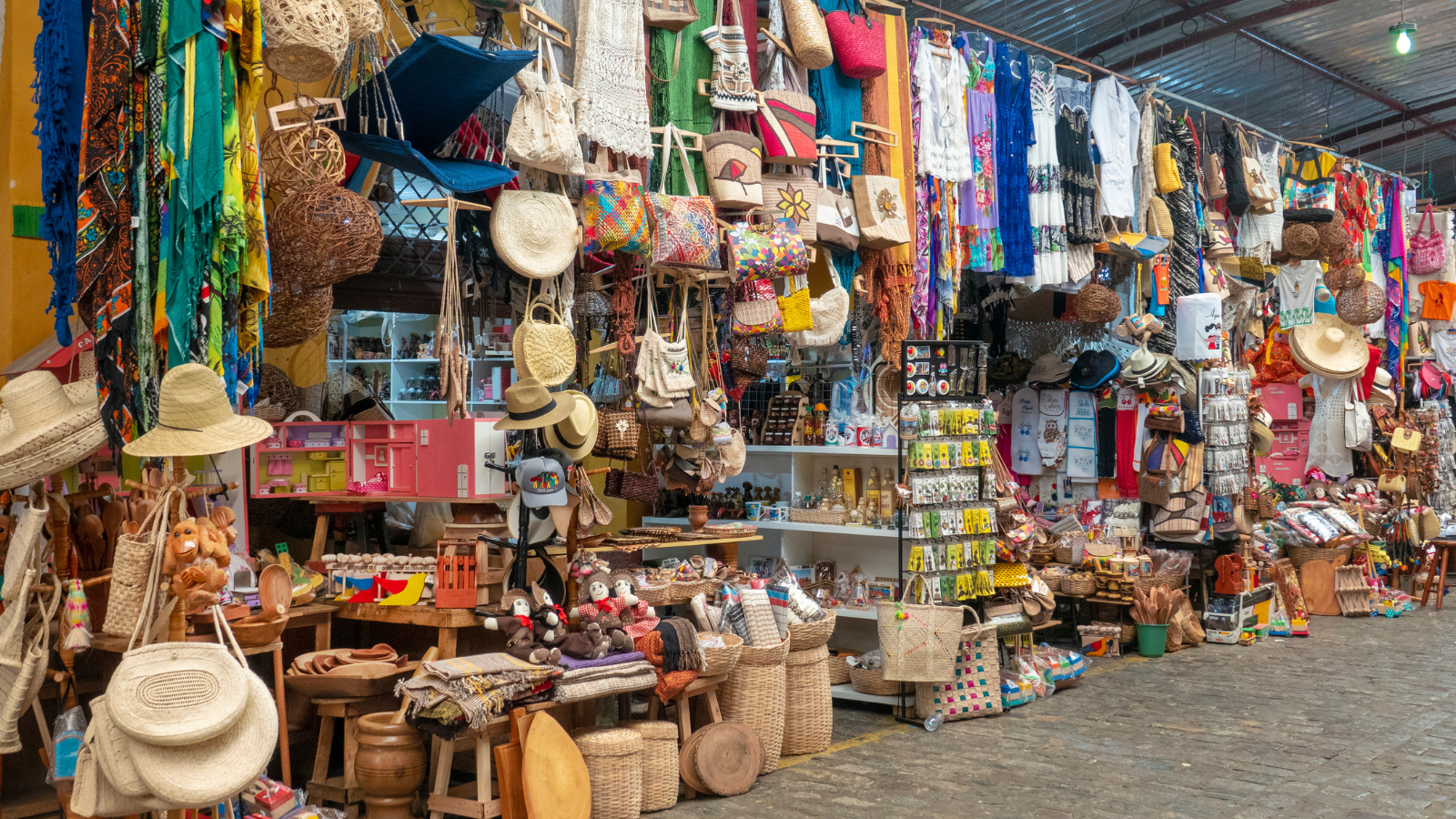
Heritage Crafts as a B2B Sourcing Advantage
B2B buyers are under increasing pressure to source products that exceed price, quality, and delivery expectations. Retailers, wholesalers, corporate gifting teams, and procurement leaders are also expected to consider sustainability, supplier diversity, social impact, and brand differentiation. In this environment, heritage crafts can become a meaningful sourcing advantage.
Heritage crafts connect products to traditional techniques, skilled artisans, and cultural knowledge. When sourced responsibly, they help sustainable brands offer products with stronger stories, deeper purpose, and clearer value for business buyers. This is especially relevant across categories such as sustainable clothing, sustainable bags, and tote bags, where craftsmanship, material choices, and maker relationships can all influence purchasing decisions.
For Just, heritage craft sourcing is not about using tradition as a trend. It is about ethical collaboration with artisan partners, cultural respect, and eco-friendly sourcing that supports both people and the planet. When B2B buyers choose products made through responsible artisan partnerships, they can strengthen ESG goals while offering merchandise, gifts, and retail assortments that stand apart from mass-produced alternatives.
Why Heritage Crafts Matter in Modern Sourcing
Heritage crafts are built on skills that are often passed down through generations. These may include weaving, embroidery, natural dyeing, beadwork, hand-stitching, basketry, textile work, and other traditional techniques. For B2B buyers, these crafts offer more than visual appeal. They represent knowledge, patience, and community-based production.
In a marketplace where many products look similar, heritage crafts help sustainable brands create distinction. A handmade textile, an artisan-crafted tote bag, or a carefully constructed sustainable bag can communicate quality and purpose in ways that generic products often cannot.
This matters for several types of B2B buyers:
-
Retail buyers seeking differentiated product assortments
-
Corporate gifting teams looking for meaningful eco-friendly gifts
-
Procurement leaders focused on supplier diversity
-
ESG teams looking for responsible sourcing stories
-
Wholesalers seeking sustainable brands with authentic value
Heritage crafts can also help buyers respond to changing expectations. Business customers increasingly want products that reflect responsibility, transparency, and positive impact. Sustainable clothing, sustainable bags, and tote bags made through artisan partnerships can meet those expectations when the sourcing model is fair, respectful, and clearly communicated.
The B2B Value of Product Differentiation
Product differentiation is one of the strongest business advantages of heritage craft sourcing. For retailers and corporate buyers, it can be difficult to compete when products are easily copied or widely available. Heritage crafts introduce details that are harder to replicate because they are rooted in human skill and cultural context.
A line of sustainable bags made with traditional weaving techniques can feel more distinctive than standard manufactured alternatives. Sustainable clothing with handcrafted details can offer customers a stronger reason to purchase. Tote bags created through artisan partnerships can become more than promotional items. They can become useful, eco-friendly products with a meaningful story.
For sustainable brands, this creates value across merchandising, storytelling, and customer engagement. Products made through heritage craft partnerships can support:
Stronger retail assortments
Buyers can offer products that feel unique, purposeful, and aligned with conscious consumer values.
Better corporate gifting
Companies can select eco-friendly gifts that reflect their ESG commitments and supplier diversity goals.
More credible brand storytelling
Product stories can focus on real maker relationships, traditional techniques, and responsible sourcing.
Higher perceived value
Customers may better understand the skill, time, and impact behind sustainable clothing, sustainable bags, and tote bags.
When buyers choose heritage craft products from Women-Owned Sustainable Brands, they can also connect product differentiation to inclusive sourcing and women-led entrepreneurship.
Heritage Crafts and Sustainable Product Strategy
Heritage crafts can support a more thoughtful sustainable product strategy. Many artisan techniques are naturally aligned with smaller-scale production, durability, and material awareness. When combined with eco-friendly materials and responsible supply chain practices, these products can help sustainable brands build more resilient and values-driven assortments.
For example, sustainable bags made with skilled handcrafting may offer durability and design distinction. Tote bags made with reusable materials can support everyday functionality while reducing reliance on single-use options. Sustainable clothing made through artisan textile techniques can help buyers offer apparel with a stronger connection to craft, culture, and purpose.
However, buyers should be careful not to assume that handmade products are automatically eco-friendly. A strong sourcing strategy should still review:
-
Material origin and durability
-
Waste reduction practices
-
Production methods
-
Packaging choices
-
Shipping and logistics
-
Supplier working conditions
-
Cultural permissions and product claims
Eco-friendly sourcing must consider both environmental and social responsibility. The strongest sustainable brands evaluate not only what a product is made from, but also how it is made and whether the supplier relationship supports long-term community value.
Cultural Respect as a Competitive Advantage
Cultural respect is not only an ethical requirement. It is also a competitive advantage. B2B buyers want confidence that the products they purchase are responsibly sourced and accurately represented. When brands can demonstrate respectful collaboration with artisans, they reduce reputational risk and build stronger trust.
Cultural respect means acknowledging that heritage crafts may carry meaning beyond design. Certain patterns, materials, symbols, or techniques may be connected to specific communities or traditions. Buyers sourcing sustainable clothing, sustainable bags, or tote bags should understand this context before promoting or modifying products.
Responsible sourcing practices may include:
-
Working directly with artisan partners
-
Asking permission before using cultural designs
-
Crediting makers accurately
-
Avoiding vague or stereotyped language
-
Paying prices that reflect skill and time
-
Letting artisans help shape product storytelling
-
Building long-term partnerships instead of one-time orders
B2B buyers can learn more about maker relationships through Meet the Creators, which highlights the people and communities behind Just’s marketplace. This type of transparency helps sustainable brands connect sourcing decisions to real human impact.
How Heritage Crafts Support ESG Goals
Heritage craft sourcing can contribute to ESG performance in several ways. For procurement and sustainability teams, this makes artisan partnerships more than a branding opportunity. They can become part of a broader responsible sourcing strategy.
Environmental impact
Eco-friendly products made from durable materials and produced with thoughtful methods can support more responsible consumption. Sustainable bags and tote bags designed for repeated use can also help companies choose practical alternatives to disposable promotional items.
Social impact
Artisan partnerships can support livelihoods, the preservation of skills, women-led businesses, Indigenous suppliers, and local enterprises. Sustainable clothing, sustainable bags, and tote bags can become channels for inclusive economic opportunity when sourced through fair relationships.
Governance
Responsible sourcing requires clear documentation, accurate product claims, fair agreements, and transparent supplier communication. These practices help sustainable brands build accountability into their procurement process.
Supplier diversity
Heritage craft sourcing can help buyers expand beyond conventional suppliers. This is especially valuable for companies seeking to work with women-led, artisan, Indigenous, or social enterprise suppliers.
For artisan businesses and sustainable brands that want to reach more B2B buyers, Sell With Just provides a pathway to connect with responsible sourcing opportunities.
Best Practices for B2B Buyers
To make heritage crafts a sourcing advantage, buyers need a thoughtful and structured approach. The following best practices can help procurement teams source responsibly and create greater business value.
1. Define the sourcing purpose
Before selecting products, clarify the goal. Is the buyer sourcing sustainable clothing for retail? Sustainable bags for wholesale? Tote bags for corporate gifting? Eco-friendly products for an ESG campaign? A clear purpose helps match the right artisan partner with the right business need.
2. Evaluate supplier relationships
Look beyond the finished product. Understand who made it, how the supplier works with artisans, and whether makers are treated as partners.
3. Review materials and production practices
Responsible materials, durable design, and thoughtful production choices should support eco-friendly claims. This is important for sustainable brands that need credible product stories.
4. Respect cultural ownership
If a product uses traditional techniques or cultural designs, buyers should confirm that the artisans approve how the product is sold, described, and marketed.
5. Plan for production timelines
Heritage craft products often require more lead time than mass-produced goods. Buyers should plan early for seasonal campaigns, retail launches, corporate gifting, and branded tote bags.
6. Build product education into marketing
B2B buyers should help customers understand why heritage crafts matter. Product pages, wholesale materials, and LinkedIn content can explain the traditional techniques, artisan partnerships, and eco-friendly benefits behind each item.
7. Keep claims specific and accurate
Avoid broad or exaggerated sustainability claims. Instead, sustainable brands should communicate clear details about materials, maker partnerships, production methods, and social impact.
For more insights on responsible sourcing and sustainable procurement, buyers can explore the Just B2B Blog.
Applying Heritage Craft Sourcing Across Categories
Heritage craft sourcing can support many product categories, but it is especially relevant for sustainable clothing, sustainable bags, and tote bags.
For sustainable clothing, traditional textile techniques can create apparel and accessories with depth, artistry, and cultural value. Buyers can highlight craftsmanship while ensuring that the makers and techniques are represented respectfully.
For sustainable bags, heritage craft can add durability, design distinction, and social impact. Buyers may choose handwoven bags, embroidered bags, or responsibly made carryalls that support artisan livelihoods.
For tote bags, the opportunity is both practical and strategic. Tote bags are useful for corporate gifting, events, retail promotions, and everyday use. When tote bags are made through eco-friendly and ethical artisan partnerships, they can carry a stronger message than conventional branded merchandise.
These categories give sustainable brands a way to connect product function with environmental responsibility and cultural preservation. That combination is valuable for B2B buyers who need products that are useful, credible, and aligned with ESG goals.
Heritage crafts offer a powerful B2B sourcing advantage when they are approached with respect and responsibility. They help sustainable brands differentiate their products, strengthen ESG stories, support artisan livelihoods, and preserve traditional techniques.
For retailers, wholesalers, corporate gifting teams, and procurement leaders, the opportunity is clear. Eco-friendly sourcing should not focus only on materials. It should also consider people, culture, and partnership. Sustainable clothing, sustainable bags, and tote bags become more meaningful when they are connected to ethical collaboration and cultural respect.
By thoughtfully working with artisan partners, B2B buyers can source products that stand out in the market while supporting communities that carry heritage crafts forward. This is how responsible sourcing becomes more than a procurement decision. It becomes a business strategy rooted in sustainability, dignity, and long-term value.