Justice in Every Purchase: What Martin Luther King Jr.’s Legacy Teaches Us About Ethical Shopping
Martin Luther King Jr. Day is a time to honor the civil rights leader’s legacy—a legacy built on justice, equity, dignity, and collective progress. While many reflect on Dr. King’s speeches and service, this day also offers an opportunity to examine the systems we participate in daily, including how and where we shop.
In a world where consumption shapes economies, ethical shopping becomes a powerful tool for justice. By supporting eco friendly practices, sustainable brands, and artisans who are often excluded from mainstream markets, we can embody the principles Dr. King advocated: fairness, empowerment, and community care.
Dr. King’s Economic Vision
While Dr. King is best known for his advocacy of racial justice and nonviolence, his final campaigns—like the Poor People's Campaign—focused on economic justice. He saw the struggle for civil rights as deeply tied to the struggle against poverty and labor exploitation.
In his own words: “Every man must decide whether he will walk in the light of creative altruism or the darkness of destructive selfishness.” Ethical shopping is one way to choose creative altruism—supporting businesses that prioritize people and the planet over profit.
Shopping with Equity in Mind
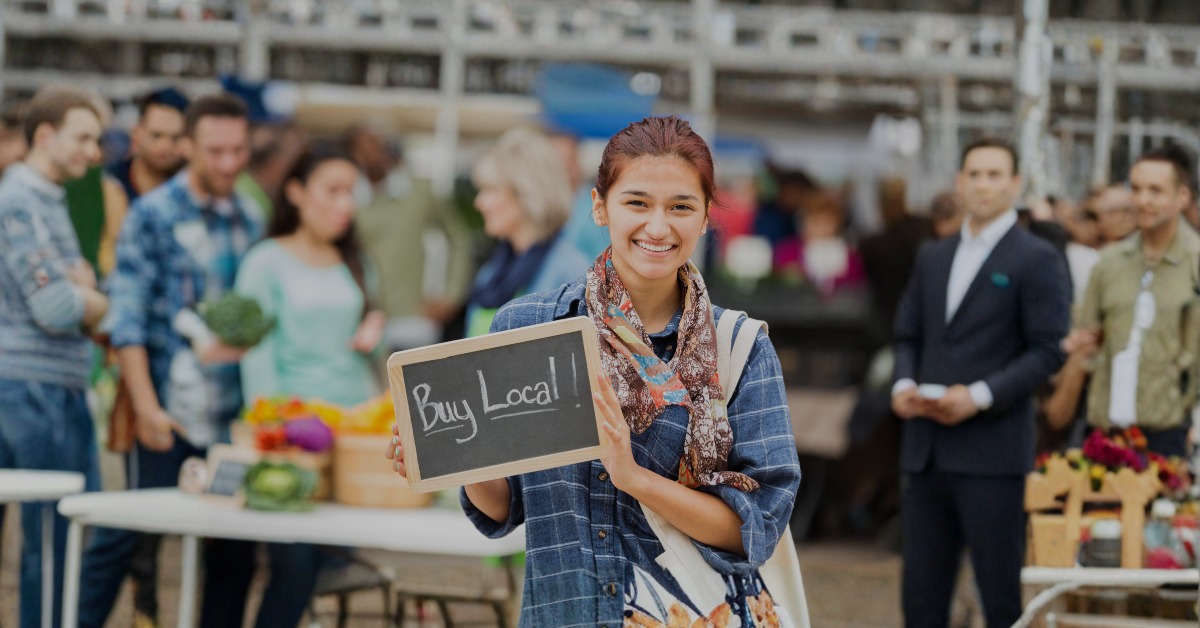
Shopping is not neutral. When we buy from corporations that rely on unfair labor or environmental exploitation, we reinforce systems of harm. But when we choose sustainable clothing made by artisans earning fair wages or sustainable bags crafted by women-led collectives, we support equity.
At Just, we believe your wallet can be a force for justice. Every product—from tote bags to home goods—is made by women artisans earning a fair income while preserving cultural craft. These are not just purchases. They are investments in dignity.
1. Support Women and BIPOC Artisans Year-Round
Dr. King championed the rights of those who had been marginalized, especially people of color and those in low-income communities. Today, many women and BIPOC artisans still face barriers to fair employment, education, and economic opportunity.
By supporting sustainable brands that partner directly with these communities, you become part of the solution. When you buy a handwoven tote bag or block-printed scarf, you’re helping artisans access education, healthcare, and financial stability.
Explore Just’s artisan marketplace to shop directly from women whose work uplifts entire communities.
To learn more about the economic challenges these communities face, visit UN Women and their global reports on gender equality and poverty.
2. Choose Eco Friendly Products That Respect People and Planet
Environmental justice is also a civil rights issue. Communities of color are disproportionately affected by pollution, climate change, and unethical manufacturing. By choosing eco friendly products made with natural dyes, low-waste techniques, and biodegradable materials, you’re contributing to a healthier planet for all.
Whether it's sustainable clothing that reduces water use or sustainable bags made from upcycled textiles, your choice matters.
Learn more about the intersection of environmental and racial justice from Green For All, an initiative focused on equitable climate solutions.
3. Rethink the Role of Consumer Power
Dr. King led several economic boycotts to push for systemic change. These actions were based on the belief that collective consumer power can influence businesses and policies.
Today, we have even more tools to direct our dollars toward justice. Conscious consumerism—when rooted in systemic awareness—can reshape economies. Supporting sustainable brands that are transparent, community-focused, and values-driven helps build a more ethical marketplace.
Use tools like Ethical Consumer to research companies and make informed choices.
4. Practice Daily Intentionality
Justice isn’t just something we talk about on holidays. It’s something we live daily.
Every time you:
-
Choose sustainable clothing over fast fashion
-
Carry tote bags made by underrepresented artisans
-
Gift eco friendly products that support education
-
Share stories from the makers behind your purchases
—you practice the kind of justice Dr. King dreamed of.
At Just, we believe that even small purchases can reflect big values. Our About page explains how every item supports training, economic freedom, and cultural preservation.
5. Center Community in Your Values
Dr. King spoke often of the "beloved community"—a society based on justice, equal opportunity, and love for one’s fellow human. When you shop from sustainable brands that are deeply connected to their communities, you become part of that vision.
Share your purchases with intention. Tell the story of your eco friendly find. Host a gift exchange focused on sustainable bags and artisan goods. Encourage others to spend with impact.
Community is built through daily choices—and that includes the choices we make with our wallets.
Justice in Action
As we honor Dr. King this January, let us do more than remember his words. Let’s live them.
Support sustainable clothing that tells a story. Choose tote bags that honor heritage. Align with sustainable brands that uplift women, artisans, and communities. Let your shopping be a reflection of your values.
This year, don’t just shop—lead.
Explore our MLK Day Edit to discover ethically made, eco friendly goods that reflect the values of equity, dignity, and hope.