
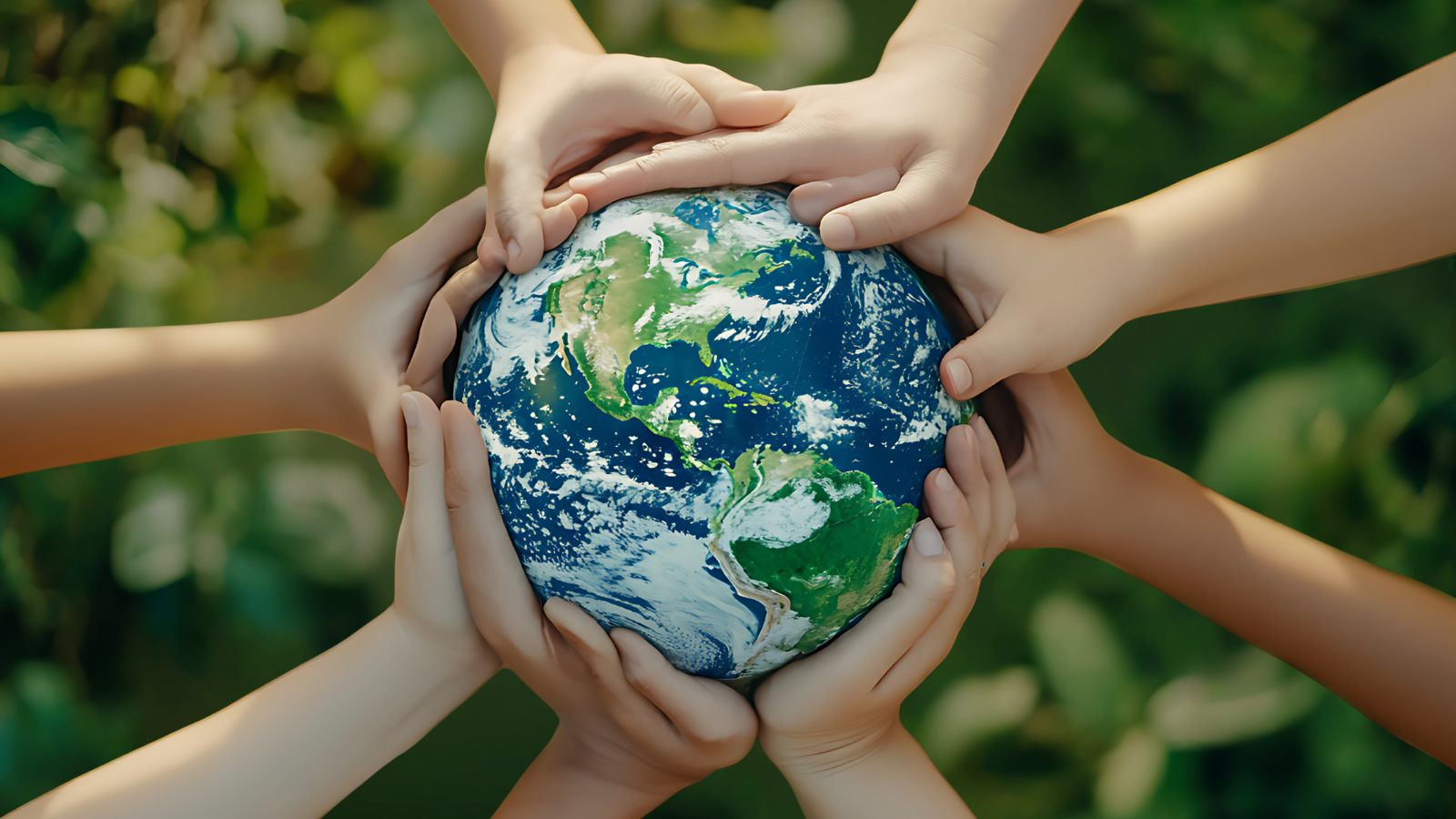
Raising Conscious Kids: Teaching Sustainability Through Everyday Choices
In a world of fast fashion, one-click purchases, and throwaway culture, raising conscious kids has never been more important. As we celebrate Universal Children’s Day (November 20), it’s worth asking: What kind of values are we passing down to the next generation through the way we live, shop, and give?
At Just, we believe that sustainability begins at home. Every time you choose an eco friendly product or support sustainable brands, you’re not just making a responsible choice for today. You’re modeling a mindset for tomorrow’s leaders—your children.
Teaching sustainability isn’t about being perfect. It’s about being intentional. The small habits we practice, the stories we tell, and the items we bring into our homes all shape how children understand their relationship to people and the planet. Here's how you can turn everyday moments into meaningful lessons that raise more conscious, compassionate kids.
1. Start With What They See: Sustainable Products in Daily Life
Children learn through observation. When they see you choosing sustainable clothing over trendy fast fashion, or opting for tote bags instead of plastic ones, they begin to understand that every purchase carries weight.
Let them be involved in your shopping decisions. Show them how to read product labels, compare materials, and talk about where things come from. Explain what eco friendly means, and why it matters that we take care of the earth and the people who make the things we use.
At Just, we curate items that reflect these values—whether it's handwoven sustainable bags, artisan-made gifts, or accessories created by women-led cooperatives. These aren't just products. They're tools for conversation and connection.
2. Make Storytelling Part of the Shopping Experience
Children love stories. So why not use storytelling to teach them about sustainable brands and the makers behind what you buy? Whether it's a hand-stitched scarf or a colorful tote bag, there’s often a beautiful story of heritage, craft, and resilience behind it.
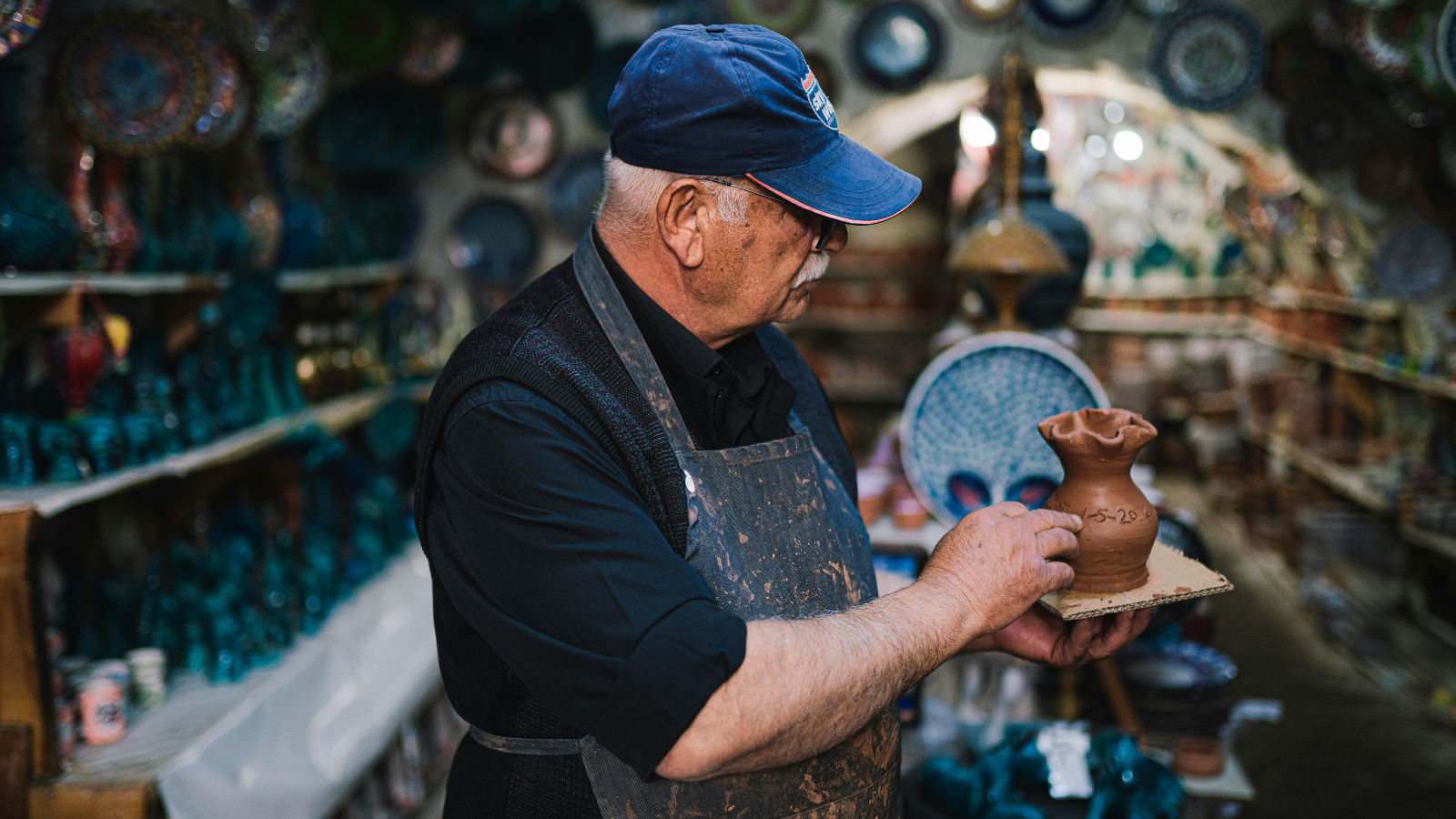
Explain that someone made that item with their hands. Maybe a mother in Kenya used local grasses to weave a sustainable bag, or a weaver in India hand-dyed a scarf using plants from her village. These stories help children connect to the global community and develop empathy for those whose lives are different from their own.
You can explore stories of makers through Just’s artisan collections. These bios celebrate the women who are preserving traditional crafts while building a more just economy.
For more ideas on how to use storytelling as a teaching tool, check out UNICEF's guide on learning through narrative for young children.
3. Introduce Reusables Early
One of the simplest ways to model sustainability is to use reusable items in your everyday routine. Whether it's stainless steel lunchboxes, bamboo utensils, or cotton tote bags, kids can learn early on that disposables aren't the only option.
Let them pack their lunch in a reusable eco friendly bag or help you shop with a handcrafted tote bag. These actions, though small, build a foundation of responsibility. You can even gift them their own mini sustainable bags or water bottles and teach them how to care for and maintain their things.
In doing so, you're teaching that sustainability is not only possible, but empowering.
4. Choose Gifts With Meaning, Not Just Novelty
With the holiday season approaching, it's easy to default to the latest toys or trends. But meaningful gifts can have a deeper, longer-lasting impact. Look for handmade or eco friendly toys, art supplies, or items that help children connect with nature or culture.
For example, a beautifully woven tote bag can be a craft kit carrier. A hand-carved animal figure can be a plaything and a keepsake. When gifts come from sustainable brands, they’re more likely to be made with care and free from toxic dyes or harmful plastics.
For inspiration, explore Green America’s toy guide for safe and eco friendly alternatives. Or visit the Just Gift Guide for artisan-made items that align with your values and theirs.
5. Talk About Where Things Come From
Kids are naturally curious, and one of the best things you can do is answer their questions honestly. When they ask where something came from, take the opportunity to explain how products are made—and by whom.
Explain that the clothes we wear often come from factories far away, and that many people don’t get paid fairly. Then talk about the difference when we buy from sustainable clothing brands that pay artisans well and care for the planet.
Use visual aids when you can. Look at maps. Show photos. Read books that highlight cultural traditions and environmental care. This helps children form a global perspective and reinforces the importance of supporting sustainable brands that align with your family’s values.
6. Lead by Example, But Invite Participation
Finally, remember that sustainability is not a solo project. Invite your kids into the process. Let them pick out eco friendly school supplies. Teach them to mend or donate old sustainable clothing. Encourage them to bring their own tote bags on grocery runs or holiday outings.
When children participate, they feel ownership. And when they see that you consistently support sustainable brands and makers, they learn that values are not just something we talk about. They're something we live.
Raising Conscious Kids is a Lifelong Gift
Parenting in today’s world is full of challenges, but it’s also full of opportunities. Teaching sustainability isn't about perfection—it's about planting seeds. Every time you choose sustainable bags instead of plastic ones or explain why you support women-led artisan brands, you're teaching more than environmental care. You're teaching empathy, integrity, and global citizenship.
This Universal Children’s Day, take a moment to reflect on the lessons you're passing on. Small shifts in how you shop can leave a lasting impact—not just on your child, but on the world they’re growing into.
Visit Just to explore handmade gifts, sustainable clothing, and artisan-crafted tote bags that help build a better future, one child—and one conscious purchase—at a time.

,%20it%E2%80%99s%20worth%20aski...)