The Beauty of Handmade: The Stories Behind the Products
In today’s hyper-connected world, it’s easy to forget that every product once had a beginning — a hand that shaped it, a place it came from, a story woven into its making. At Just, we believe that shopping should feel human. That behind every handmade item is not just beauty, but a heartbeat.
This World Food Day (October 16), as the world turns its focus to food systems, local growers, and the people behind what nourishes us — we’re expanding the conversation. Not just about food, but about all the handmade items we use daily — and the creators whose lives are deeply rooted in land, labor, and legacy.
Why Stories Matter
When you buy something handmade, you're not just purchasing an object — you're preserving a tradition, honoring a person, and often changing a life.
Take for example:
-
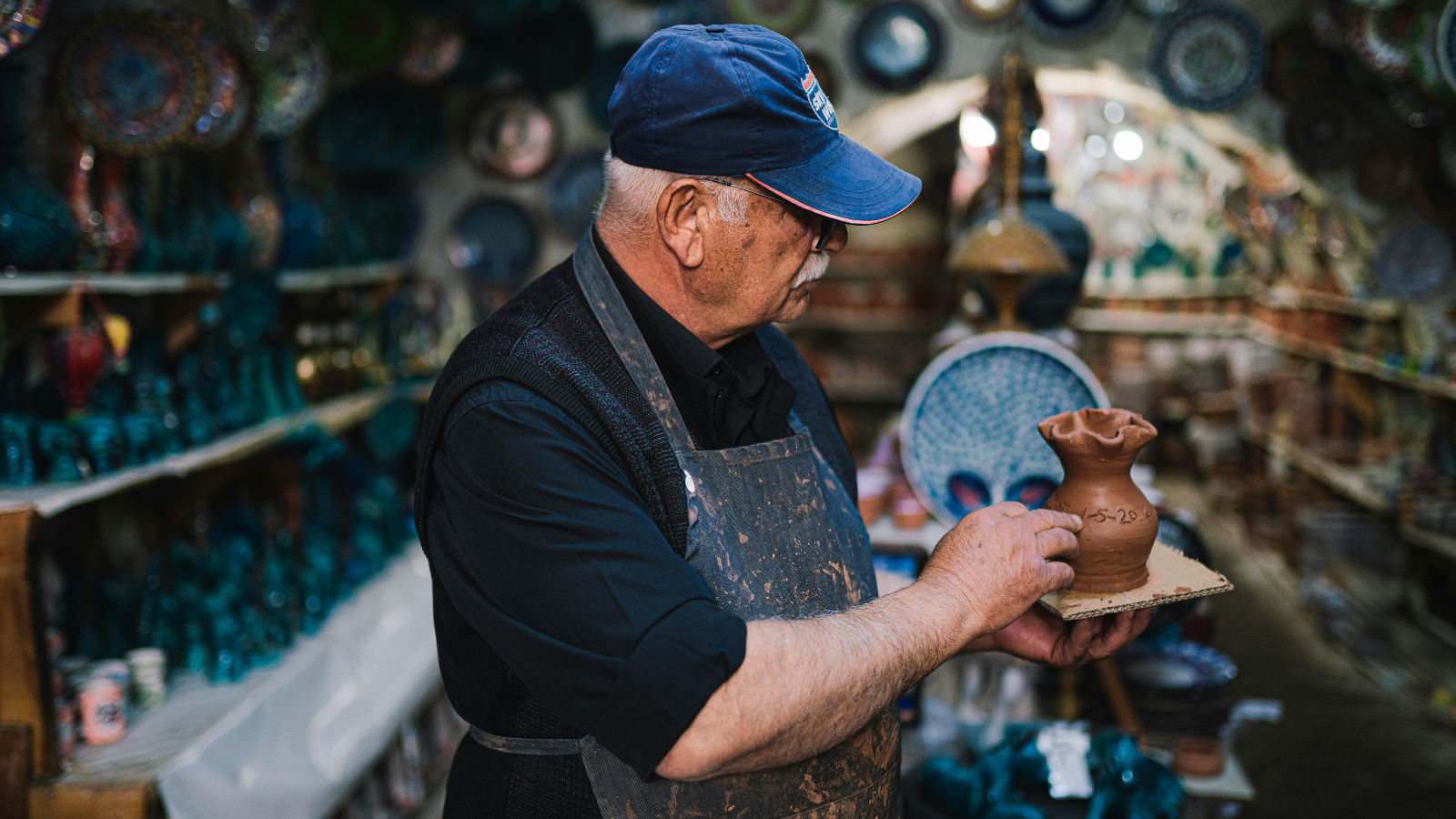
A hand-thrown ceramic bowl shaped by a rural woman potter in Oaxaca, whose craft sustains her family.
-
An upcycled apron sewn from sari scraps by a women's collective in India, where every thread carries both environmental and economic impact.
-
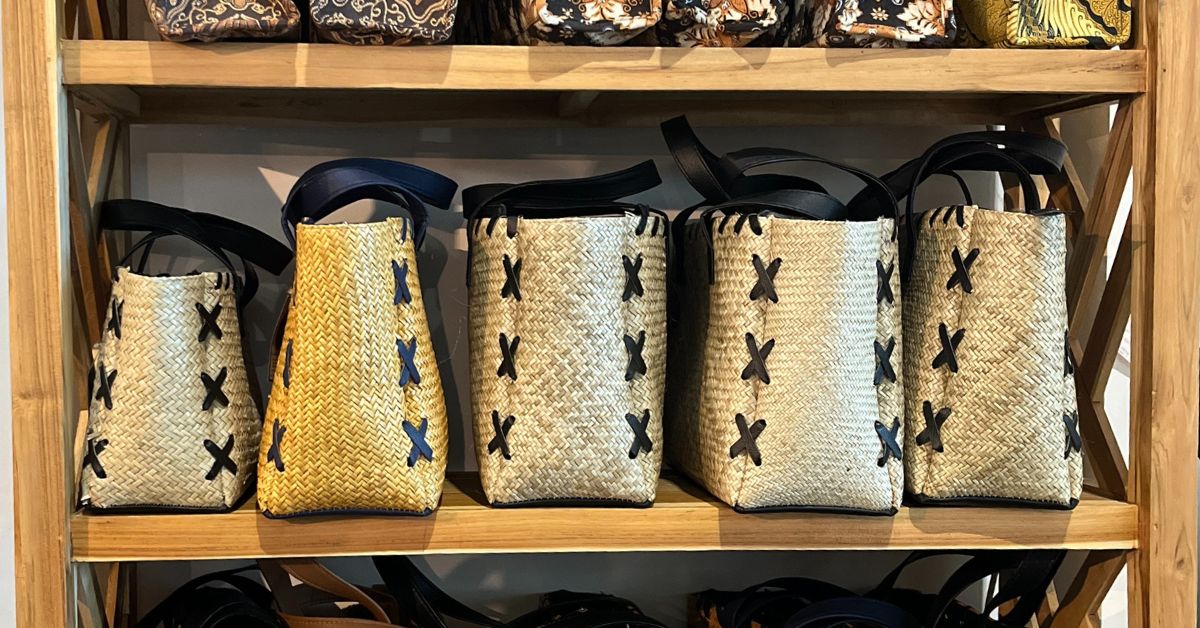
A woven palm basket from a Kenyan artisan co-op, made during harvest season as a secondary source of income.
Each piece represents a moment in time, a personal history, and a cultural heritage that’s often invisible in mass-produced goods.
From Soil to Story: Connecting with the Land
Just like food, handmade goods often begin with natural resources — clay from the earth, plant-based dyes, local cotton, bamboo, or sisal fibers. Artisans not only use these materials — they honor them, treating each resource with deep respect and often traditional methods passed down for generations.
This connection to the land reflects the same values celebrated on World Food Day — sustainable practices, local economies, and equitable systems that work in harmony with the planet.
🌾 “The food you eat and the handmade items you use share something profound — they are both grown, gathered, and crafted with care by people whose stories matter.”
When You Know the Story, You Change the System
One of the reasons fast consumption thrives is because people rarely see the human cost behind a low price tag. But when consumers know the stories — when they hear about a grandmother who hand-dyes wool in the Andes, or a young single mother in Ghana using beadwork to fund her child’s education — they shop differently.
And that difference creates ripples:
-
Higher wages
-
More education opportunities for women
-
Stronger rural economies
-
Preserved cultural traditions
When stories are shared, artisans are no longer invisible. They become seen, valued, and empowered.
What You Can Do as a Conscious Consumer
-
Choose handmade over machine-made whenever possible. Look for artisan goods that share the maker’s name or region.
-
Ask about the origin of what you’re buying. If the brand can’t tell you who made it, consider finding one that can.
-
Support platforms that center artisans — like Just — where storytelling is woven into every product.
-
Share what you learn. Talk about where your handmade necklace came from. Let others know why it matters.
Every Product Has a Story. Every Story Deserves to Be Heard.
This World Food Day, let’s expand our definition of nourishment — to include the nourishment of culture, creativity, and community. When you buy handmade, you invest in more than a product — you invest in people.
At Just, we invite you to shop with your heart wide open. Discover the stories, honor the hands, and bring home something that’s more than beautiful — something that’s deeply meaningful.
🧶 Ready to meet the makers? Explore our artisan collections and discover the stories behind your favorite handmade treasures.