Cultural Respect in Sustainable Supply Chains
Cultural respect is becoming an essential part of responsible sourcing. For B2B buyers, sustainability is no longer measured only by materials, emissions, or packaging. It also includes how brands work with suppliers, how they represent artisan communities, and whether traditional techniques are honored with care.
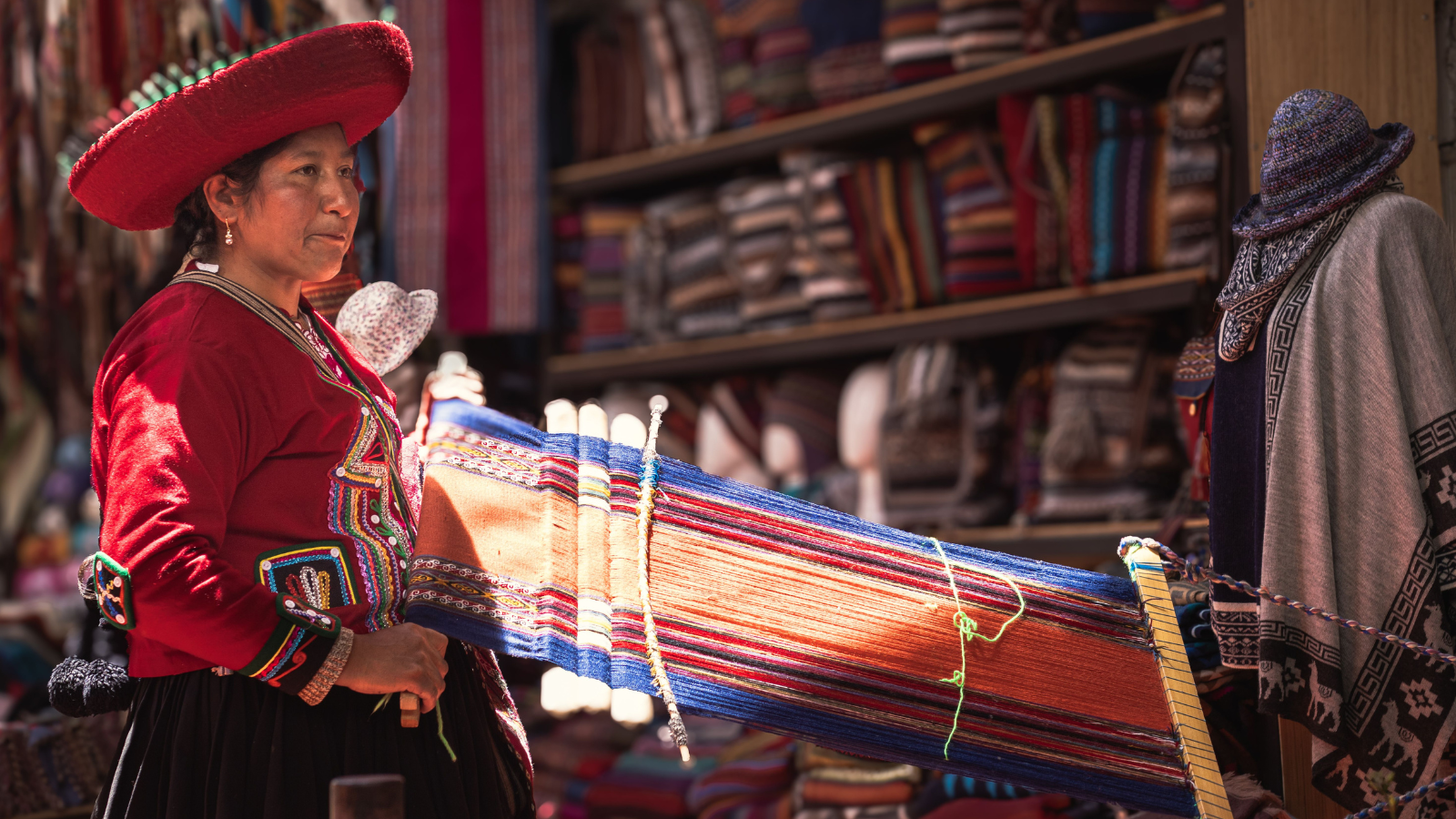
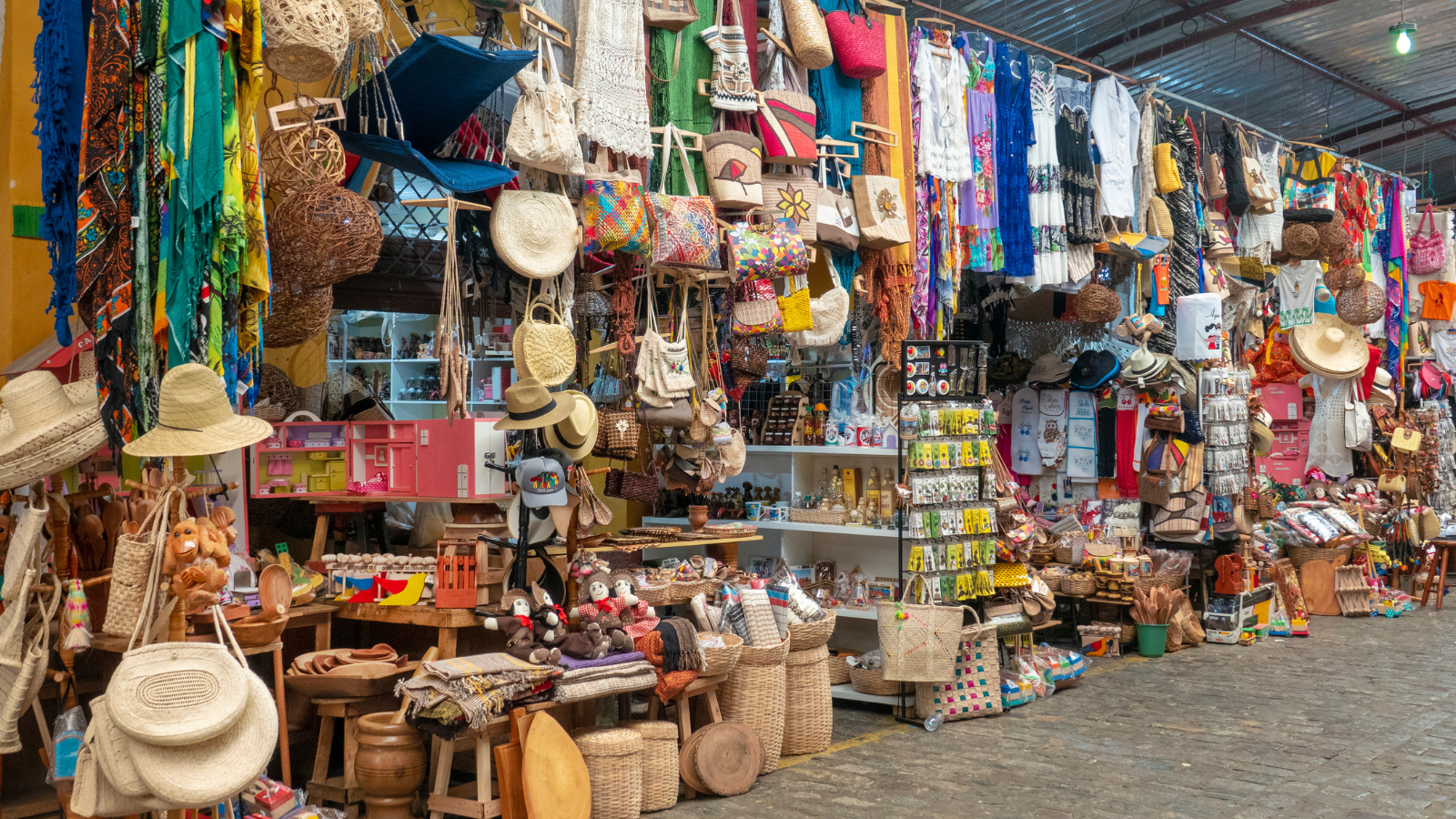
This is especially important for sustainable brands that source products rooted in heritage craft. Categories such as sustainable clothing, sustainable bags, and tote bags often feature handmade details, traditional patterns, weaving, embroidery, or natural materials connected to specific communities. These products can create meaningful commercial value, but only when they are sourced through ethical collaboration.
For Just, cultural respect means recognizing artisans as creative partners rather than anonymous producers. It means building supply chains that support eco-friendly production while protecting the people, skills, and stories behind each product. When retailers, wholesalers, and corporate buyers choose eco-friendly products with cultural respect in mind, they help create stronger, more responsible supply chains.
Why Cultural Respect Matters in B2B Sourcing
Cultural respect is the practice of understanding, honoring, and accurately representing a community's traditions, knowledge, and creative work. In sourcing, this means buyers should not separate a product from the people and culture behind it.
A handmade textile, woven bag, or embroidered accessory may carry techniques passed down through generations. When sustainable brands source sustainable clothing, sustainable bags, and tote bags from artisan partners, they are engaging with more than product design. They are engaging with cultural knowledge.
Organizations such as UNESCO recognize traditional craftsmanship as a key part of intangible cultural heritage. This reinforces the importance of supporting the artisans who continue these practices and ensuring that heritage crafts are not reduced to trends.
For B2B buyers, cultural respect also protects brand trust. Retailers and corporate procurement teams must be careful not to promote products in ways that feel extractive or misleading. A product can be eco-friendly, but if the cultural story is used without permission or proper context, the sourcing approach is incomplete.
The Difference Between Appreciation and Appropriation
One of the most important responsibilities for sustainable brands is understanding the difference between cultural appreciation and cultural appropriation.
Cultural appreciation happens when a business respects the origin of a craft, works directly with the makers, gives proper credit, and ensures fair compensation. Cultural appropriation happens when designs, symbols, techniques, or stories are used without consent, context, or benefit to the community.
This distinction matters when sourcing sustainable clothing, sustainable bags, and tote bags. For example, a retailer may want tote bags with traditional patterns because they look distinctive. Before moving forward, the buyer should ask whether the design has cultural meaning, who created it, and whether the maker or community approves its commercial use.
The World Intellectual Property Organization guides traditional cultural expressions, including designs, symbols, crafts, and artistic works that may be connected to community identity. For sourcing teams, this is a useful reminder that cultural designs should not be treated as free creative material.
Sustainable brands can avoid harm by choosing direct partnerships, transparent communication, and respectful product storytelling. The goal is not to avoid heritage craft. The goal is to support it responsibly.
Cultural Respect and Eco-Friendly Procurement
Cultural respect and eco-friendly sourcing should work together. An eco-friendly supply chain should protect both the environment and the communities involved in production.
Many artisan products are created through small-batch methods, handcrafting, and lower-waste techniques. These practices can align naturally with eco-friendly procurement goals, especially when products use responsible materials. Sustainable clothing made with traditional textile methods, sustainable bags made with durable natural fibers, and tote bags designed for repeated use can all support more thoughtful consumption.
However, eco-friendly sourcing should never be defined only by the final product. Buyers should also evaluate the production relationship. Are artisans paid fairly? Are timelines realistic? Are makers involved in design decisions? Are cultural details represented accurately?
The United Nations Environment Program emphasizes sustainable consumption and production to reduce environmental impacts while improving quality of life. For B2B buyers, this supports a broader view of sustainability that includes both ecological and social responsibility.
When sustainable brands pair eco-friendly materials with respectful artisan partnerships, they create products better aligned with ESG expectations. This is especially relevant for sustainable clothing, sustainable bags, and tote bags used in retail, corporate gifting, and procurement programs.
How Cultural Respect Strengthens ESG Goals
Cultural respect supports the social and governance dimensions of ESG. It helps companies build supplier relationships based on fairness, transparency, and accountability.
For B2B teams, this can support several business priorities:
Supplier diversity
Working with Indigenous suppliers, women-led enterprises, and artisan businesses can help companies build more inclusive supply chains. Buyers can explore Women Owned Sustainable Brands to identify businesses that align with both ethical sourcing and supplier diversity goals.
Social impact
Artisan partnerships can support livelihoods, preserve skills, and create economic opportunity. When sustainable brands source sustainable clothing, bags, and tote bags from responsible suppliers, they help create demand for products that offer both functionality and community value.
Governance
Cultural respect requires clear processes. Buyers should document supplier relationships, permissions, product claims, and maker attribution. The Global Reporting Initiative provides sustainability reporting standards that help organizations communicate economic, environmental, and social impacts with greater accountability.
Brand credibility
Consumers and business buyers are increasingly cautious about vague sustainability claims. Cultural respect helps sustainable brands communicate with more accuracy and integrity. A product story becomes stronger when it is specific, verified, and centered on real maker relationships.
Best Practices for Respectful Artisan Sourcing
B2B buyers can make cultural respect part of the sourcing process by using practical standards.
1. Work directly with credible artisan partners
Choose suppliers who can explain their production process, maker relationships, and cultural context. Learning about artisan partners through Meet the Creators can help buyers understand the people behind eco-friendly products.
2. Ask before using cultural designs
If a design, pattern, or technique has cultural significance, buyers should ask for permission before using it in sustainable clothing, sustainable bags, tote bags, or related marketing materials.
3. Pay for skill and cultural value
Heritage craft often requires years of knowledge and practice. Fair pricing should reflect the time, expertise, materials, and cultural value involved.
4. Avoid vague or romanticized language
Product descriptions should be accurate and respectful. Instead of using broad terms like “tribal” or “exotic,” sustainable brands should describe the specific technique, material, or maker partnership when appropriate.
5. Plan realistic production timelines
Artisan production may require more time than mass manufacturing. Buyers should plan for retail launches, corporate gifting programs, and seasonal tote bags.
6. Build long-term partnerships
Cultural preservation is supported by consistent demand. Long-term relationships help artisans plan production, maintain craft traditions, and grow their businesses.
Artisan businesses interested in expanding B2B opportunities can also explore Sell With Just, which connects sustainable brands with buyers seeking ethical and eco-friendly products.
Applying Cultural Respect Across Product Categories
Cultural respect should guide sourcing across every relevant product category.
For sustainable clothing, buyers should understand the origin of textile methods, stitching, dyeing, and patterns. For sustainable bags, they should ask how materials are sourced and whether designs are connected to specific artisan traditions. For tote bags, they should consider whether printed or handmade details are approved by the makers and represented accurately.
Eco-friendly products become more valuable when buyers can explain both the material choice and the human impact behind them. This allows sustainable brands to build stronger product pages, wholesale pitches, and corporate gifting programs.
The Just B2B Blog offers additional insights for buyers looking to align ethical sourcing, sustainability, and responsible procurement. These resources can support teams seeking to make more informed decisions about sustainable clothing, bags, tote bags, and other eco-friendly product categories.
Cultural respect is a core part of sustainable supply chain management. For B2B buyers, it helps ensure that products are not only responsibly made, but also responsibly represented.
When sustainable brands work with artisan partners fairly and transparently, they help preserve traditional techniques, support inclusive economic opportunity, and strengthen ESG performance. This approach is especially important for sustainable clothing, sustainable bags, and tote bags, where heritage craft can be both commercially valuable and culturally meaningful.
The future of ethical sourcing depends on more than eco-friendly materials. It depends on respectful relationships. By choosing suppliers with care, honoring cultural knowledge, and communicating product stories accurately, B2B buyers can help build supply chains that protect people, culture, and the planet.