Sustainability in Artisan Production – Best Practices for Earth Month
As Earth Day approaches, businesses have an opportunity to spotlight sustainable practices within the artisan sector. Sustainability in artisan production helps reduce environmental impact and strengthens ethical sourcing and community resilience. For brands collaborating with artisans, adopting and promoting sustainable production practices is a powerful way to align with conscious consumer values and make a meaningful difference.
What Does Sustainable Artisan Production Look Like?
Sustainable artisan production uses processes and materials that minimize environmental harm and maximize social benefit. These practices often include:
-
Natural & Locally Sourced Materials: Many artisans rely on raw materials sourced directly from their surroundings, reducing carbon emissions associated with transportation and supporting local economies.
-
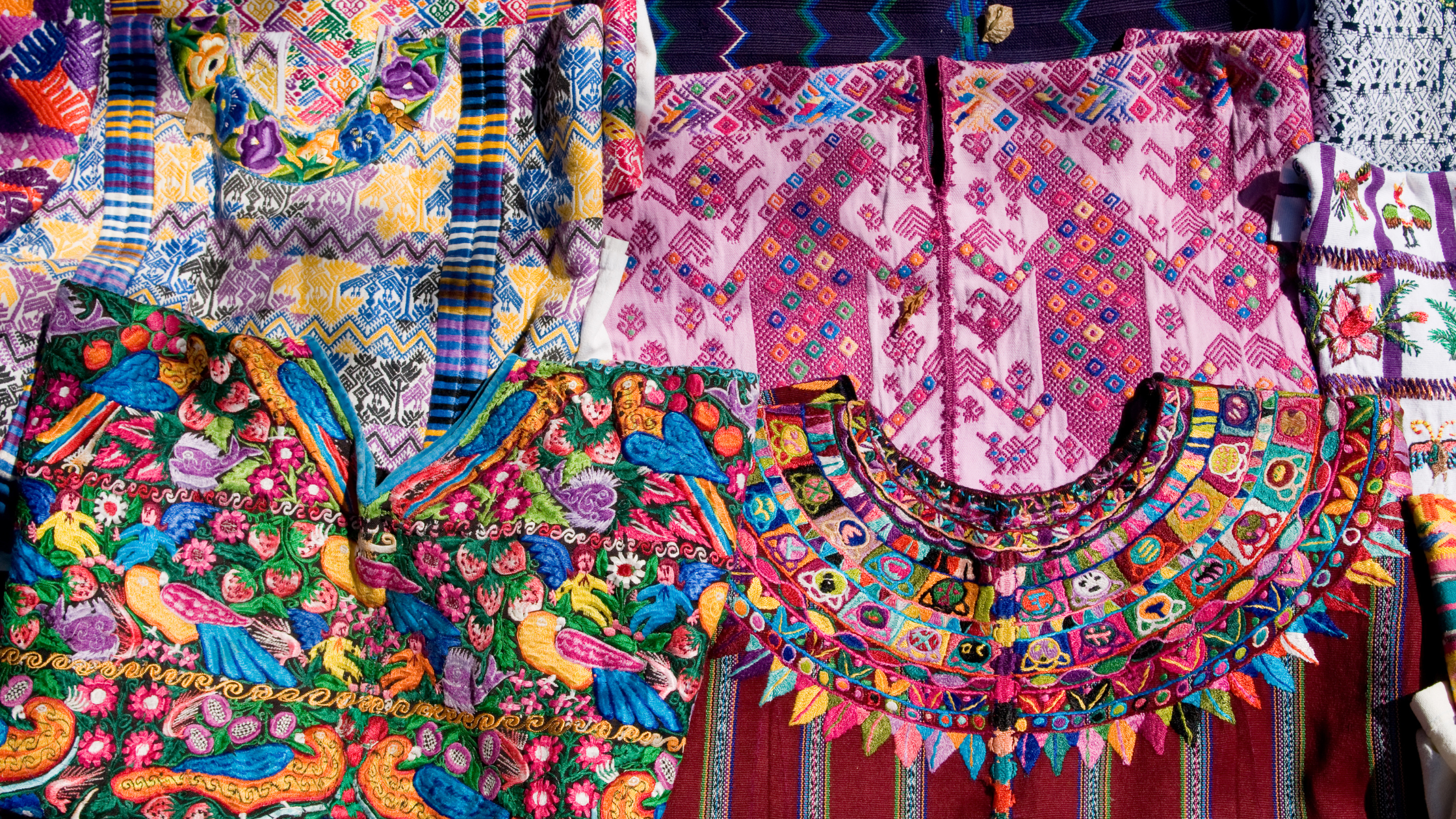
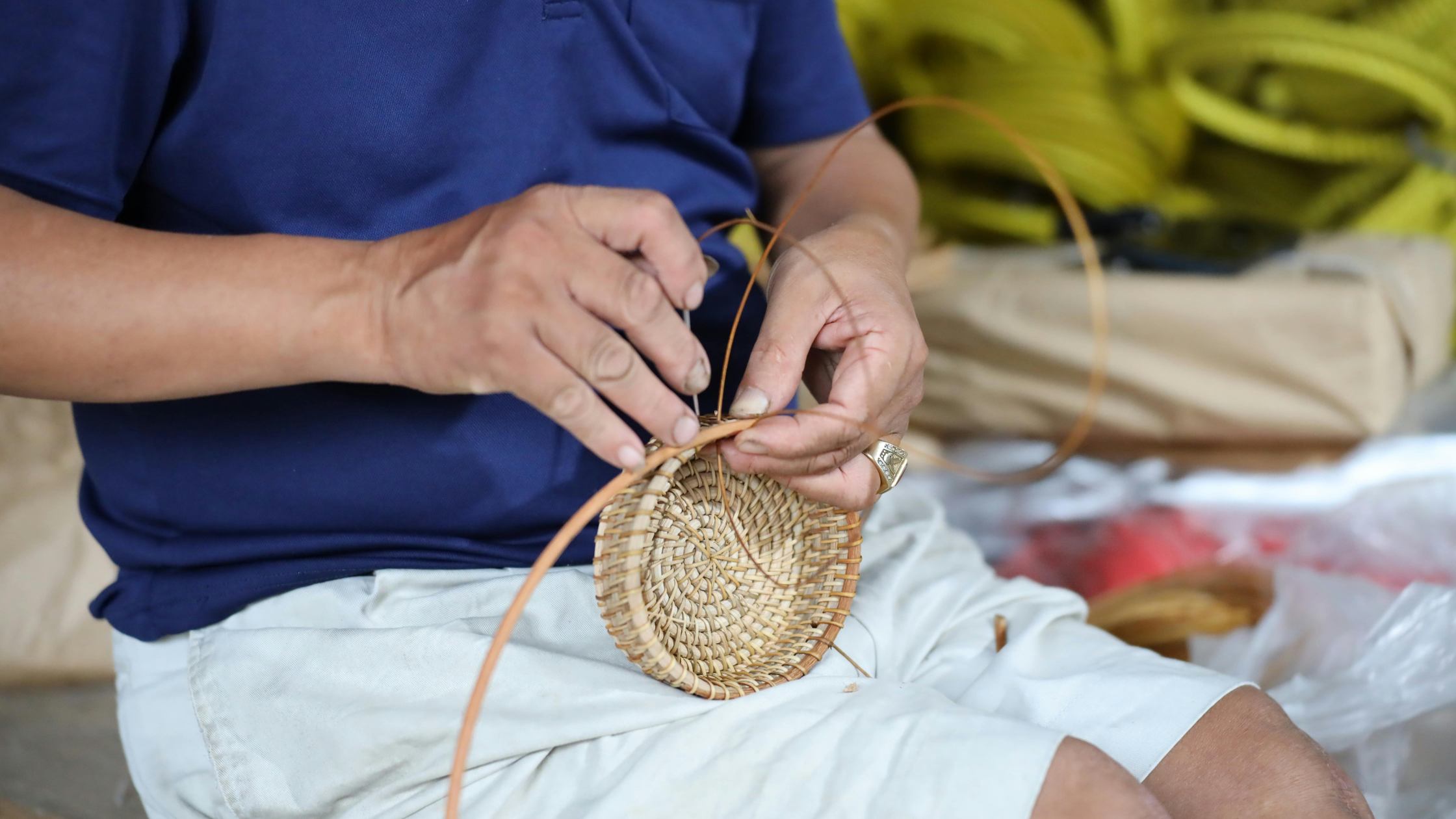
Traditional Craft Techniques: Time-honored methods, such as hand weaving, dyeing with plant-based colors, or hand-carving, often require less energy than industrial methods and help preserve cultural heritage.
-
Waste Reduction Practices: Utilizing fabric remnants, recycling materials, and repurposing by-products help limit waste in artisan workshops.
Why Sustainability Matters in the Artisan Sector
Sustainable practices ensure the longevity of artisanal crafts and protect the resources required to continue them. Moreover, consumers are increasingly prioritizing eco-conscious brands. Highlighting your sustainable sourcing practices builds trust, strengthens your brand identity, and resonates with modern buyers who want to align their purchases with their values.
In addition to environmental impact, sustainable artisan production often promotes better working conditions and more equitable business relationships. Many artisan collectives integrate community development initiatives, providing women with education, healthcare, and leadership opportunities. These added benefits can be showcased as part of your brand story.
How Businesses Can Support Sustainable Artisan Production
-
Vet Your Supply Chain: Partner with artisan groups that emphasize sustainable methods.
-
Invest in Long-Term Relationships: Supporting artisans over time allows them to invest in eco-friendly tools and practices.
-
Educate Your Audience: Share stories of sustainable practices through your marketing channels to increase consumer awareness.
-
Create Collaborative Collections: Work with artisans to co-create sustainable product lines that highlight traditional techniques and low-impact materials.
-
Support Artisan Certifications: Increase transparency by encouraging certifications like World Fair Trade Organization (WFTO) or Craftmark.
-
Offer Training & Resources: Help artisans access tools and knowledge for implementing sustainable practices.
-
Measure and Communicate Impact: Collect data on sustainability metrics and share them in your storytelling to reinforce transparency.
-
Host Artisan Spotlights: Feature interviews, videos, or behind-the-scenes content that showcase artisans’ sustainable methods.
-
Partner with Eco-Focused NGOs: Collaborate on initiatives that promote education, reforestation, or waste reduction in artisan communities.
By promoting sustainable artisan production this Earth Month, your business can empower makers, protect the planet, and inspire conscious consumption. This isn’t just a seasonal opportunity—it’s a long-term strategy for aligning business goals with planetary needs. Through responsible sourcing and transparent storytelling, artisan brands can take charge of eco-friendly commerce.
Share Your Values—Sell With Us
Showcase your sustainable and ethical products on a platform that celebrates artisan craftsmanship and conscious commerce.