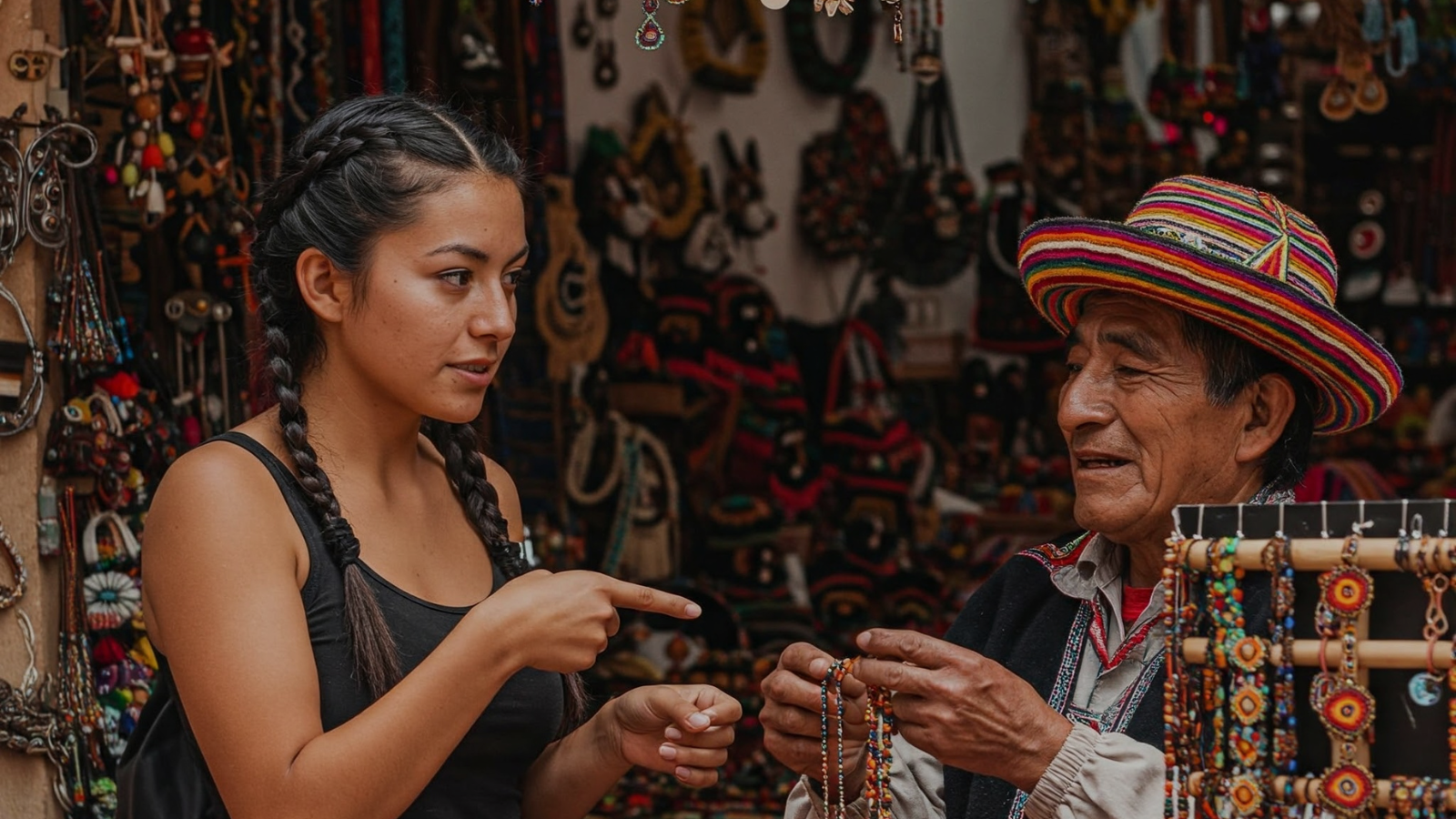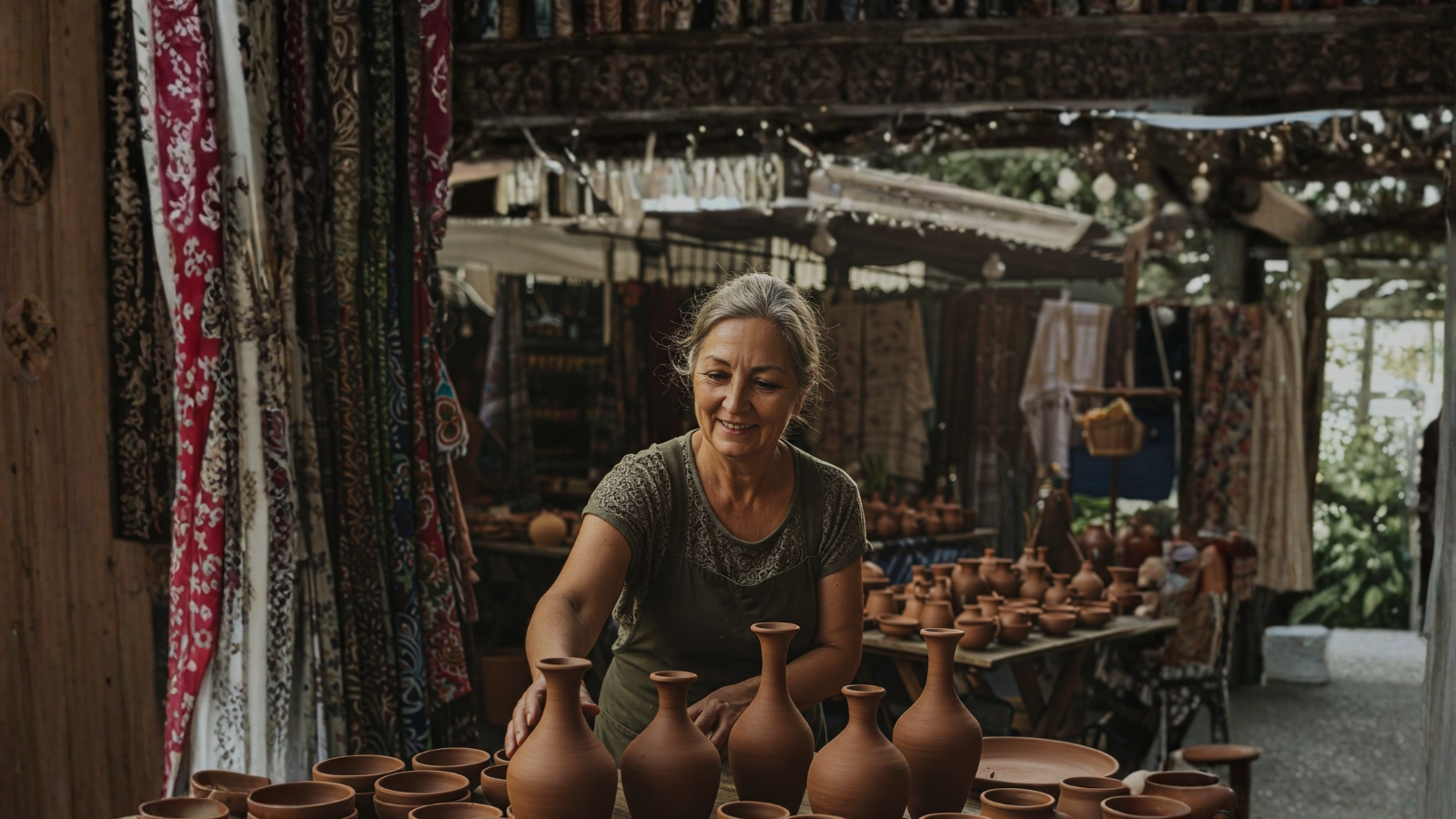
The Benefits of Giving Back as an Artisan Entrepreneur
As you build your artisan enterprise, the holiday season brings both heightened demand and a deeper opportunity: giving back. When a brand that focuses on sustainable bags, eco friendly accessories or tote bags, or manufactures sustainable clothing commits to social impact, it strengthens its identity among sustainable brands, creates loyal relationships, and affects long–term growth. In this post we explore how giving back benefits your artisan business, especially for those integrating fair‑trade and handcrafted models.
Why Giving Back Matters for Artisan Brands
Giving back is not just charity—it’s strategic. Consumers increasingly evaluate brands by their purpose, and artisan brands rooted in ethos—whether through eco friendly materials or ethical partnerships—are uniquely positioned to lead. For makers of sustainable bags or tote bags, giving back can enhance brand trust, boost visibility, and align with the values of conscious customers.
Research from Harvard’s “Why Giving to Others Makes Us Happy” shows that spending money or time on others triggers positive emotional responses, strengthening both individual satisfaction and relational bonds. (Harvard Business School Library) According to a study on small‑business community engagement, businesses that give back grow stronger customer loyalty and better brand reputation. (Stellar Bank) For artisan owners working with sustainable clothing collections or manufacturing sustainable bags, embedding giving back into your model is a step toward becoming a differentiated, values‑driven sustainable brand.
How Giving Back Strengthens Your Business
1. Amplifies Emotional Connection with Customers
When you sell a tote bag made with up‑cycled materials or a line of sustainable clothing, integrating a giving‑back component (for example, donating a portion of each sale or partnering with a community program) adds meaning to the purchase. It transforms a transaction into a story of impact.
2. Deepens Trust in Your Supply Chain and Partner Network
Artisan operations often involve complex relationships—craftspersons, cooperative groups, eco friendly material suppliers. Recognizing your partners publicly or reinvesting in their communities builds reliability and aligns your brand as one of the truly sustainable brands.
3. Builds Brand Differentiation in the Marketplace
In a crowded field of handcrafted goods, sustainable bags, tote bags, and sustainable clothing lines that visibly give back become signature offerings. Customers who care about ethics look for brands that reflect those ethics—not just in product but in practice.
4. Drives Meaningful Growth and Community Strength
According to an institutional review on corporate philanthropy, environmental and social impact initiatives directly increased worker engagement, consumer loyalty, and long‑term brand sustainability. (ScienceDirect) For artisan entrepreneurs, this means you are not only selling eco friendly goods but reinforcing a network of creators and consumers invested in your mission.
Implementation: How You Can Give Back
-
Link Product Lines With Purpose: Create limited‑edition versions of your sustainable bags or tote bags that support a cause. Let customers know: “Buy one, we donate one hour of training” or “Your purchase supports X.”
-
Feature Impact in Storytelling: Highlight artisan voices, community outcomes, and the material sourcing journey behind your sustainable clothing or sustainable bags.
-
Partner With Aligned Charities or Programs: When your giving‑back efforts tie into causes such as gender equity, rural women’s empowerment, or environmental education, you reinforce your standing among sustainable brands.
-
Measure and Share Outcomes: Demonstrate how your contribution is making impact—whether number of mentors supported, hours of training provided, or community artisans empowered. Transparency improves credibility.
-
Promote Internally and Externally: Publicly thank your artisan partners, feature buyer stories of how a purchase of a tote bag or sustainable clothing item made an impact, and show how your brand invests in its ecosystem.
Why Now: The Seasonal & Observance Advantage
With key observances like Thanksgiving (11/27) and Universal Children’s Day (11/20), consumers are already tuned to generosity and meaningful consumption. As an artisan entrepreneur producing eco friendly goods or specializing in sustainable bags, tote bags, or sustainable clothing, this is the moment to highlight your giving‑back ethos. Pair your campaign with your product drop of sustainable clothing or expand your line of sustainable bags to include a philanthropic dimension.
Conclusion
Giving back is more than a trend—it’s a differentiator. For artisan entrepreneurs committed to making eco friendly products, a brand built on purpose and action stands out. Whether you’re launching a line of sustainable clothing, designing sustainable bags, or introducing a signature tote bag, weaving giving back into your business strategy aligns investment with impact. Your customers aren’t just buying a product—they’re buying your values.