The Heart Behind the Handmade: Why Emotional Connection Matters in Artisan Goods
In the world of artisan goods, connection is everything. Customers today don’t just want products—they want meaning, emotion, and intention behind what they buy. This is especially true for sustainable brands that produce handcrafted tote bags, limited-run sustainable clothing, and eco friendly lifestyle products.
In February, as the world reflects on love and relationships, it’s the perfect time to examine the emotional value of handmade goods—and how this connection strengthens your brand’s identity, storytelling, and customer loyalty.
Why Emotion Matters in Artisan Goods
Mass-produced items often lack personality. But handmade, eco friendly products carry emotion in every stitch, pattern, and design. The energy, time, and cultural story embedded into a handwoven tote bag or custom sustainable clothing piece creates an unspoken bond between maker and buyer.
A study from Harvard Business Review found that emotionally connected customers are more than twice as valuable as highly satisfied customers. (HBR Emotional Connection Study)
When a buyer feels that connection, they remember the story—and the brand—long after the purchase.
How to Build Emotional Connection Into Your Brand
1. Highlight the Maker’s Journey
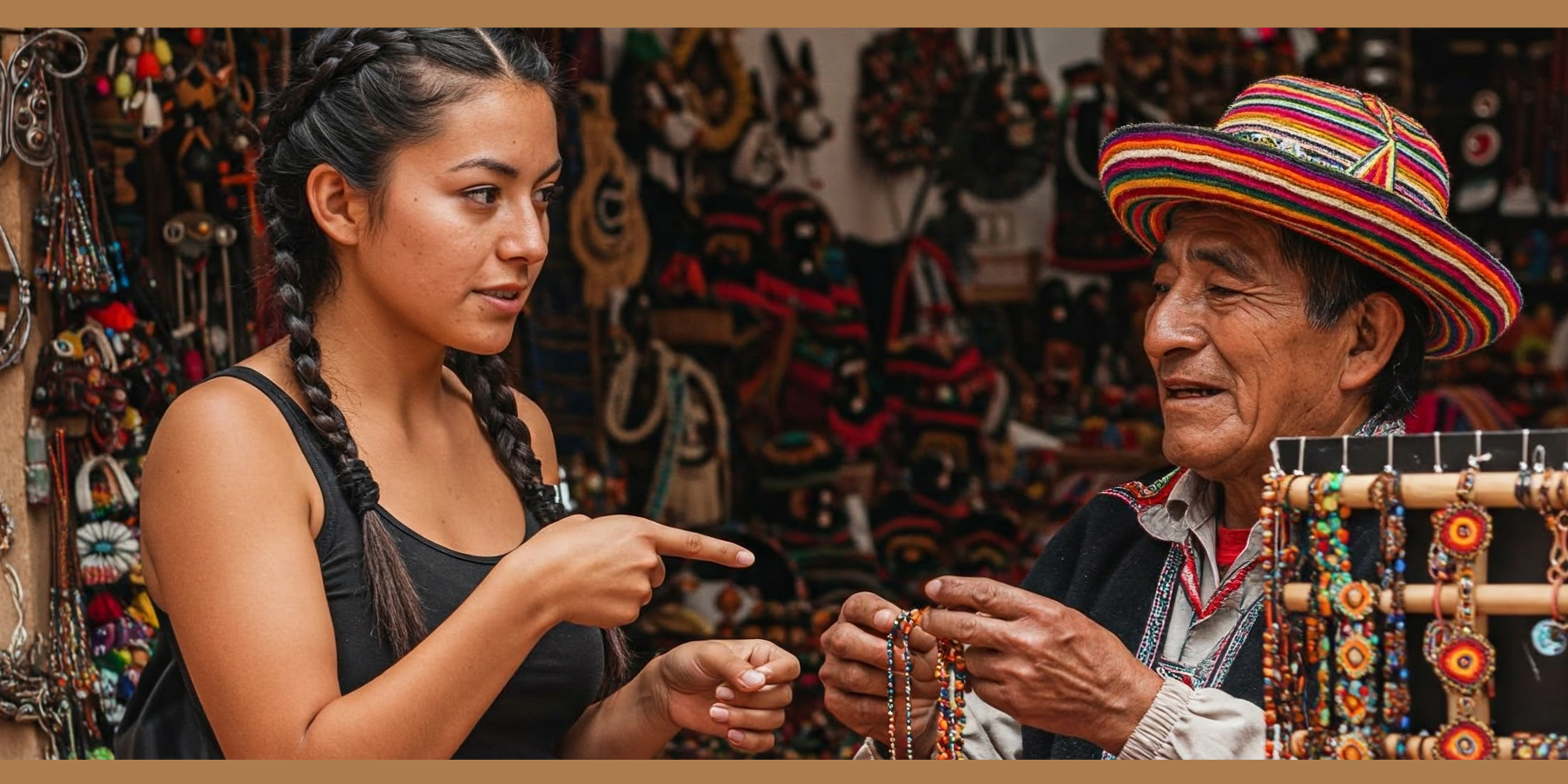
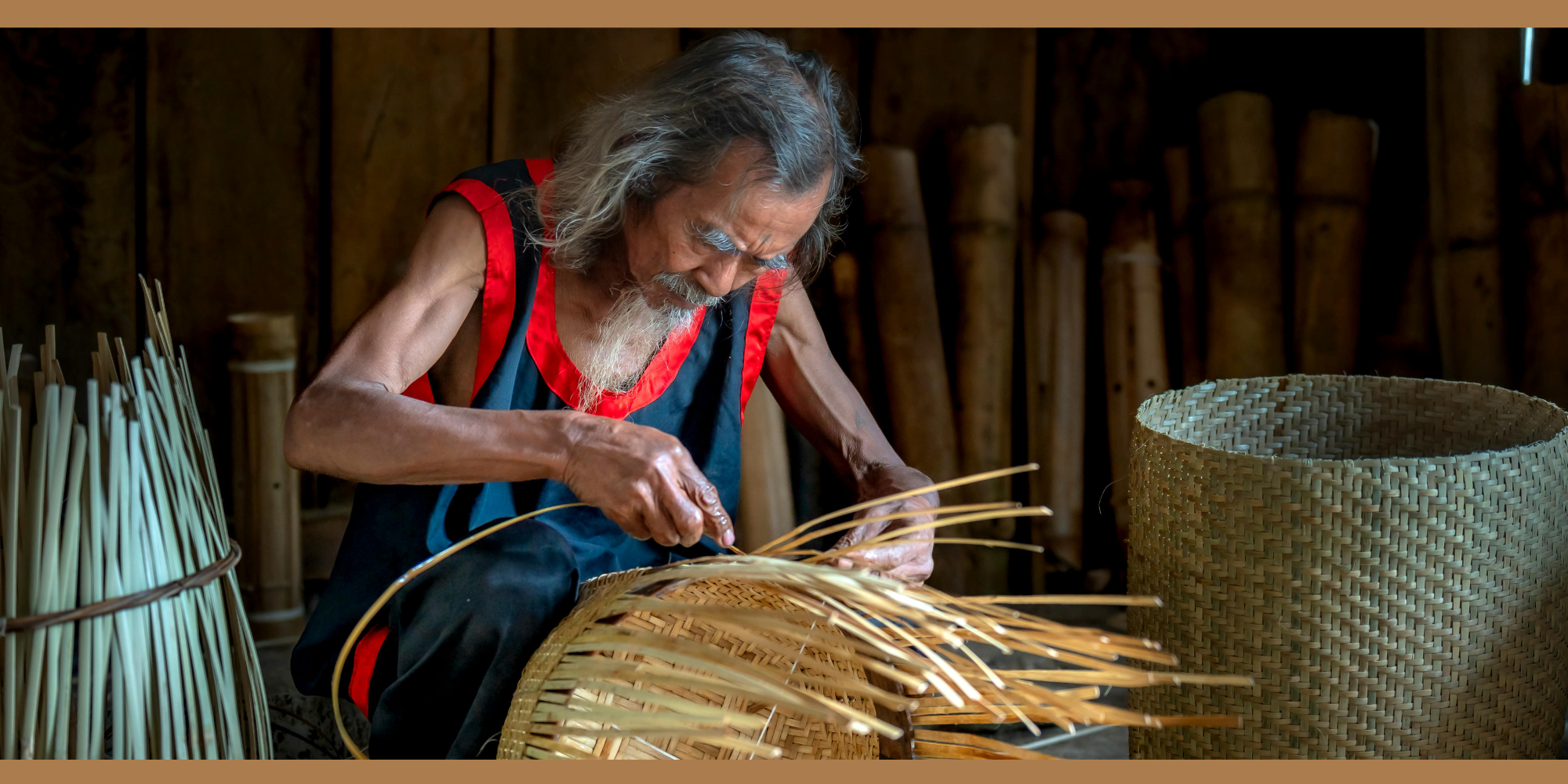
Customers want to know the hands and hearts behind your products. Introduce the artisans who create your sustainable bags or eco friendly textiles. Share what inspires them, how they learned their craft, and what the work means to their communities.
2. Connect Products to Stories
Don’t just list materials. Tell a story: why this technique, why this color, why this form? A naturally dyed tote bag isn’t just beautiful—it honors a generational method of creating color sustainably.
3. Showcase Cultural Meaning
Artisan goods often reflect cultural rituals or symbols. Respectfully sharing that context adds depth, pride, and curiosity—strengthening emotional connection and cultural appreciation.
Tactile Connection: Why Handmade Feels Different
There’s something about the feel of a handwoven sustainable bag or naturally textured eco friendly fabric that can’t be replicated by machines. It’s the tiny inconsistencies, the signature of the maker’s hands, the warmth of the material.
Tactile design is part of emotional branding. Consider how your materials, packaging, and product photography communicate that handmade feeling.
Tip: Invest in product descriptions that engage the senses. “Soft, hand-dyed cotton with a story woven into every stitch” says more than “100% organic cotton.”
Customer Connection: Turn Buyers Into Brand Believers
1. Share Customer Stories
Has someone gifted your sustainable clothing for a milestone event? Has a buyer told you how a tote bag became their daily go-to? Feature these stories. They humanize your product and create a cycle of emotional connection.
2. Offer Customization When Possible
Even small custom options (fabric, color, messaging) invite customers to participate in the creation—deepening their bond with your sustainable brand.
3. Follow Up With Heart
Your thank-you email or packaging note is a prime space to express warmth. Remind the buyer that their purchase supports real people, real places, and sustainable change.
The B2B Benefit of Emotional Branding
Wholesalers, boutique retailers, and corporate partners are increasingly choosing sustainable brands not just for their ethics—but for the connection they help offer customers.
As a B2B seller, emotional connection can:
-
Boost product storytelling for your partners
-
Increase repeat orders through loyalty and word-of-mouth
-
Position your eco friendly line as more than a commodity—it’s an experience
Conclusion
The heart behind the handmade is your brand’s secret strength. As customers seek meaning in every purchase, artisan businesses have a unique opportunity to lead with emotional storytelling, cultural depth, and human connection.
Whether you craft hand-stitched sustainable clothing, handwoven sustainable bags, or small-batch eco friendly home goods, remember: what your customer feels matters as much as what they see.
Make space for emotion in your brand. Because love—expressed through your makers, your message, and your mission—makes every piece unforgettable.