The Power of Fair Trade in Elevating Artisan Communities
Across the globe, artisan communities are the lifeblood of cultural heritage and creative economies. From handwoven textiles in Chiapas to jewelry crafted in Colombia, these makers carry stories, skills, and traditions that deserve recognition and respect. But in a globalized market, fair compensation and access to customers are not guaranteed. That’s where fair trade becomes transformative—not just for artisans, but for entire communities.
At Just, we work with women creators across the U.S., Canada, and Latin America to ensure their goods are valued—not exploited. In honor of World Environment Day (June 5) and this month’s editorial theme, “Celebrating Diversity and Fair Trade,” we explore how fair trade practices elevate artisan voices, preserve culture, and create sustainable economic opportunity.
🌍 What Is Fair Trade?
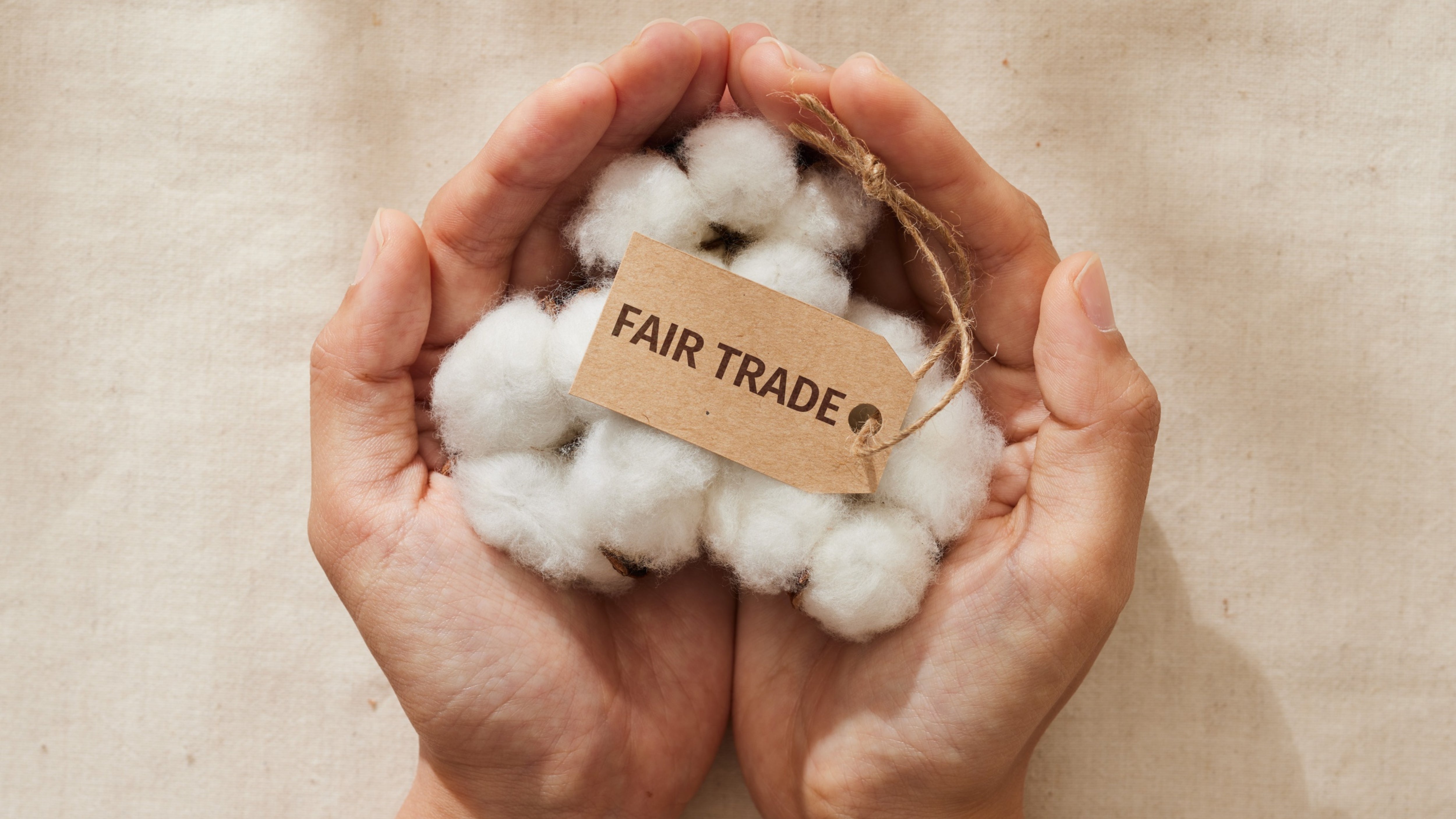
Fair trade is a certification and philosophy that ensures producers—especially those in developing regions—are paid fairly, work under safe conditions, and receive long-term support. But beyond wages, fair trade emphasizes transparency, gender equity, and environmental responsibility.
According to Fair Trade International, women make up over 50% of workers in fair trade supply chains, many of them in artisan and textile sectors.
When artisan brands commit to fair trade, they aren't just promising better pay—they’re building a foundation of dignity, respect, and economic empowerment.
✨ Why Fair Trade Matters for Artisan Businesses
1. Fair Wages Mean Sustainable Livelihoods
Fair trade ensures artisans receive a livable income—not just pennies per piece. This stability allows them to invest in education, healthcare, and community infrastructure.
2. Access to International Markets
Through platforms like Just, fair trade businesses can reach conscious consumers globally—amplifying impact beyond local borders.
3. Community Investment and Growth
Fair trade cooperatives often reinvest profits into training programs, child care, or education initiatives—supporting collective, not just individual, growth.
4. Preserving Heritage and Culture
With fair compensation, artisans can continue practicing time-honored techniques, passing them down to new generations rather than abandoning them for low-wage factory work.
🧵 The Artisan Impact: Real Stories of Change
Mij Artesana
This Mexico-based brand collaborates with Indigenous women artisans, offering fair pay and design mentorship. The result: economically empowered women and culturally vibrant fashion collections.
Eva de Valentía
Combining sustainable fashion with social justice, this Colombian brand reinvests part of its profits into psycho-spiritual healing for survivors of violence. Their fair trade model isn’t just ethical—it’s healing.
Pebble Toys
Handmade in Bangladesh, these organic cotton toys are certified Fair Trade and provide income to hundreds of women, many of whom are primary caregivers in their families.
Zinacantán Collection
This initiative supports artisans in Chiapas who practice ancient embroidery techniques. Fair trade pricing helps these women support families while preserving traditional knowledge.
🌿 The Link Between Fair Trade and Sustainability
Fair trade and environmental responsibility go hand in hand. Many artisan businesses already follow low-waste practices, use plant-based dyes, or source local raw materials. Fair trade adds layers of transparency and accountability.
According to the Fair World Project, sustainable fair trade helps reduce the carbon footprint of supply chains and supports smallholder economies, which are more likely to practice regenerative agriculture and eco-friendly production methods.
📈 How Fair Trade Builds Stronger Businesses
For artisan entrepreneurs, fair trade is more than ethics—it’s a growth strategy. Here’s how:
-
Builds Trust with Customers: Ethical shoppers want transparency, and fair trade tells them your brand aligns with their values.
-
Increases Brand Loyalty: When consumers know their purchase supports real people, they’re more likely to return and refer others.
-
Opens Grant and Partnership Opportunities: Many NGOs and social impact platforms prioritize fair trade-certified or aligned brands.
-
Boosts Perceived Value: Fair trade handmade goods are often viewed as more premium and worth the investment.
💬 How to Talk About Fair Trade in Your Brand
You don’t need to be certified to be transparent. Here's how to integrate fair trade principles into your brand messaging:
-
“Each purchase ensures fair wages and ethical production.”
-
“We collaborate directly with artisans to guarantee safe conditions and fair pricing.”
-
“By buying this product, you support women-led cooperatives and sustainable practices.”
Use your About page, product descriptions, and social media captions to tell the story of your sourcing—and your artisans.
🛍️ How to Join the Fair Trade Movement
If you're a women artisan or entrepreneur, here are ways to move toward fair trade alignment:
-
Partner with fair trade cooperatives or collectives
-
Source materials from known ethical suppliers
-
Be transparent about pricing, labor, and sourcing
-
Seek Fair Trade certification if feasible (explore Fair Trade USA or WFTO)
-
Join platforms like Just that prioritize mission-driven brands
✨ Final Thought: Trade That Empowers
Fair trade isn’t a trend—it’s a transformation. It turns transactions into relationships, and products into platforms for justice, sustainability, and community growth.
At Just, we honor the women behind the craft. We believe in trade that uplifts, art that preserves, and stories that endure. This World Environment Day and all month long, let’s build a world where every purchase is a step toward equity.
💼 Sell With Just – Apply Today
🛒 Explore Fair Trade Artisan Goods
📬 Let’s Connect