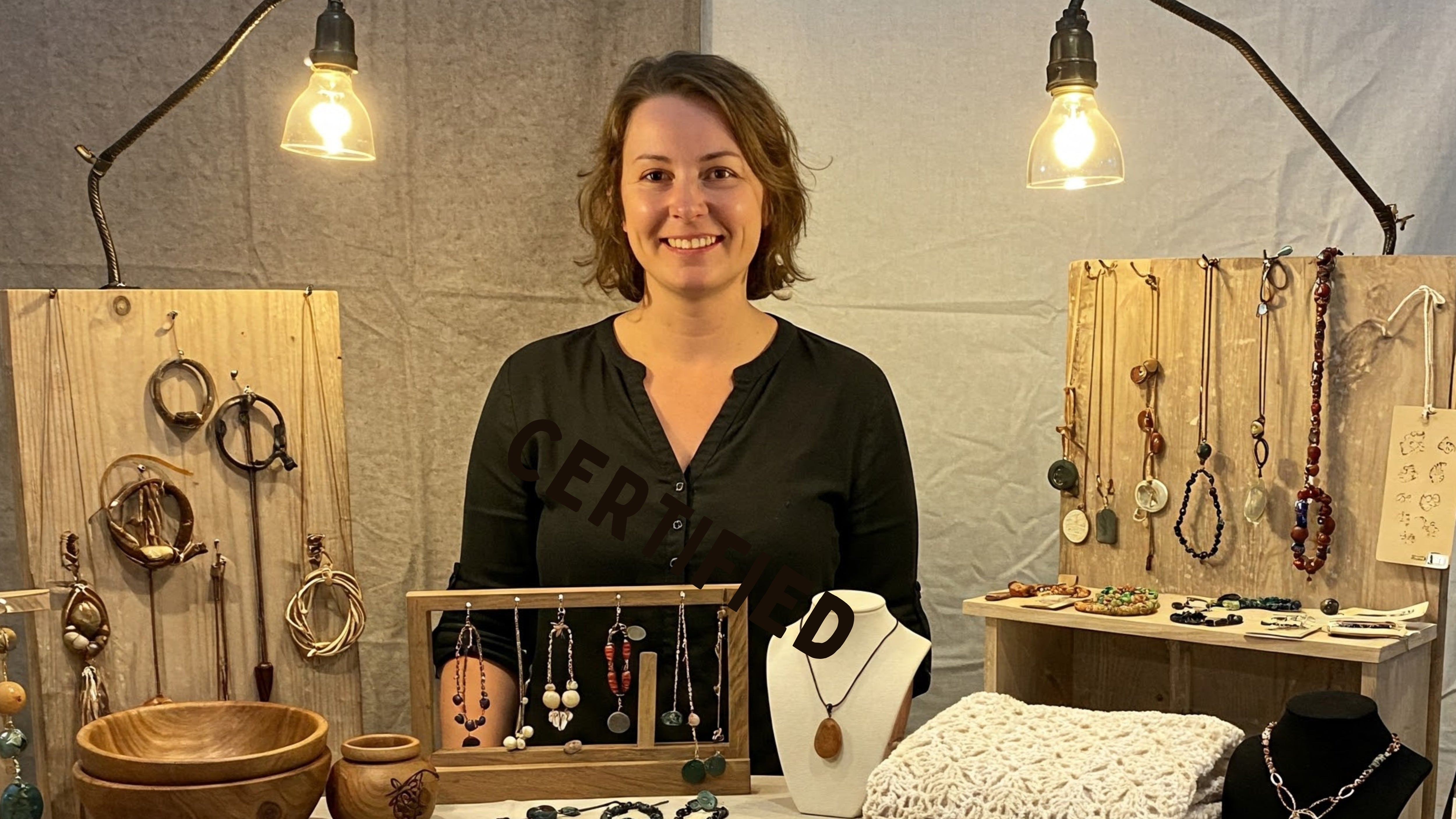
The Role of Certifications in Boosting Credibility for Small Businesses
In today’s values-driven marketplace, it’s not enough to say your products are sustainable, ethical, or fair—you have to prove it. That’s where certifications come in. For small artisan businesses, especially women-led brands on platforms like Just, certifications offer a powerful way to build trust, signal transparency, and attract conscious consumers.
In this post, we’ll explore why certifications matter, which ones are most relevant to artisan entrepreneurs, and how they can help you grow your brand without compromising your values.
🧾 Why Certifications Matter for Small Businesses
Certifications serve as third-party validation that your business practices meet recognized ethical, environmental, or social standards. In the artisan space, this is particularly important because:
-
Customers can’t always see behind the scenes
-
Trust is a key factor in purchasing handmade goods
-
Certifications can increase perceived value and pricing power
-
Certified brands often get better visibility on marketplaces and in media
According to a 2023 NielsenIQ study, 73% of consumers say they feel more positively about companies that are transparent about their sustainability practices.
🏷️ Most Relevant Certifications for Artisan Brands
1. Fair Trade Certified
This label ensures fair wages, safe working conditions, and environmental sustainability.
🔗 Learn more: Fair Trade USA
Great for: Handmade goods, textiles, food, beauty products
2. World Fair Trade Organization (WFTO)
Focuses specifically on organizations committed to the 10 Principles of Fair Trade.
🔗 Learn more: wfto.com
Great for: Artisan cooperatives, collectives, and exporters
3. B Corp Certification
Recognizes businesses that meet high standards for social and environmental impact.
🔗 Learn more: bcorporation.net
Great for: Growth-minded artisan brands scaling into retail or wholesale
4. Certified Organic
Applies to materials like cotton, dyes, and skincare ingredients.
🔗 Learn more: USDA Organic
Great for: Textile or beauty-focused artisans using raw, plant-based inputs
5. GOTS (Global Organic Textile Standard)
A leading certification for sustainable textiles.
🔗 Learn more: global-standard.org
Great for: Clothing, linens, accessories made with certified fibers
💼 How Certifications Build Credibility
Here’s how earning or aligning with a certification strengthens your small business:
-
Builds Consumer Trust: Certifications show customers your claims are verified, not just marketing.
-
Improves Retail Partnerships: Retailers and marketplaces often prioritize or require certified suppliers.
-
Supports Pricing Power: Certified goods can command higher prices due to added value.
-
Boosts Search and Visibility: Certified terms (e.g., “Fair Trade,” “Organic”) increase SEO performance and marketplace filters.
-
Strengthens Your Brand Story: Certifications become part of your marketing narrative—proof of your commitment.
📣 Don’t Have a Certification? Here’s What You Can Do
Not every small business has the capacity to pay for or maintain certifications—and that’s okay. Here are other ways to build transparency and trust:
-
Partner with Certified Suppliers: Source materials or packaging from certified vendors and highlight this in your descriptions.
-
Align with Certification Principles: Follow the same labor, wage, and sustainability standards—even if you’re not officially certified.
-
Use Clear Language: Describe your processes honestly—“handwoven in a fair-wage collective,” “dyed with organic indigo,” etc.
-
Join Ethical Marketplaces: Platforms like Just curate brands based on values, offering a trusted space for customers to shop.
🧵 Just Brands That Prioritize Certification or Ethical Alignment
1. Pebble Toys
Fair Trade-certified toys handmade in Bangladesh, supporting safe jobs for women and LGBTQ+ artisans.
2. Eva de Valentía
Sustainably produced fashion using local, eco-conscious materials, aligned with circular practices and social healing missions.
3. Carmen Rion
While not formally certified, her brand embodies slow fashion and environmental responsibility through local sourcing and traditional techniques.
4. Atonement Design
Works with fair trade partners across the globe and educates customers on the artisans behind each piece.
5. Zinacantán Collection
Rooted in community cooperatives, each purchase supports traditional embroidery practices in Chiapas under fair wage agreements.
📈 Certification Can Be a Growth Catalyst
Certifications are more than a badge—they’re a business tool. Whether you’re looking to enter new markets, secure grant funding, or build trust with eco-conscious shoppers, verified practices give you an edge.
And for many artisan entrepreneurs, certifications are a way to formalize values they’ve practiced for generations: care, respect, and community.
💬 Final Thought: Show Your Commitment, Build Your Credibility
You’ve already put the work in to build a brand that’s beautiful and meaningful. Let certifications (or the principles behind them) help you tell that story—and grow your impact.
Remember: transparency, even without formal credentials, goes a long way. And as you scale, aligning with recognized standards will open more doors to ethical buyers, marketplaces, and collaborators.
🏷️ Sell With Just – Apply to Our Ethical Marketplace