Collaboration Over Competition: Strength in the Handmade Industry
In today’s fragmented markets, embracing collaboration can be a breath of fresh air—especially in the artisan world. For creators whose passion is rooted in culture and craftsmanship, joining hands with peers isn’t just about co-creation—it’s about mutual uplift. This September, as we transition into a season of new beginnings, let’s explore why collaboration, not competition, is essential for sustainable handmade business growth.
Why Collaboration Wins
Whether through shared exhibitions, collective branding, or skill-sharing, collaboration empowers artisans in several ways:
-
Access to New Markets and Audiences
Partnering with other creators can open up fresh buyer networks and media attention. According to a case study of Aksa and artisan communities, collaboration fosters innovation and expands visibility. (Aksa Home Decor) -
Preserving Cultural Knowledge
Working with local or Indigenous artisans builds bridges between tradition and contemporary design, preserving craft heritage while fueling innovation. (Rural Handmade) -
Resource Sharing and Cost Savings
Collectives or cooperatives help artisans pool materials, reduce costs, and negotiate better logistics—ensuring their creativity doesn’t come with crippling overhead. -
Collective Strength and Creative Growth
Research highlights that collaborations anchored in shared ownership and autonomy lead to stronger design innovation and economic performance. (Taylor & Francis Online)
Collaboration Models That Work
-
Artisan Cooperatives
Groups like Intercrafts Peru or the Taxco-based UPA jewelers demonstrate how community-led cooperatives offer autonomy, fair wages, and opportunities for shared leadership. (Generous Intentions) -
Skill-Exchange Workshops
When artisans trade expertise—such as weaving in exchange for photography skills—a collaborative learning loop is created, driving innovation and growth. -
Co-Branded Collections
Joining forces for limited-edition collaborations—think a necklace infused with traditional embroidery alongside a modern illustration—helps merge styles and attract shared audiences. -
Shared Market Events
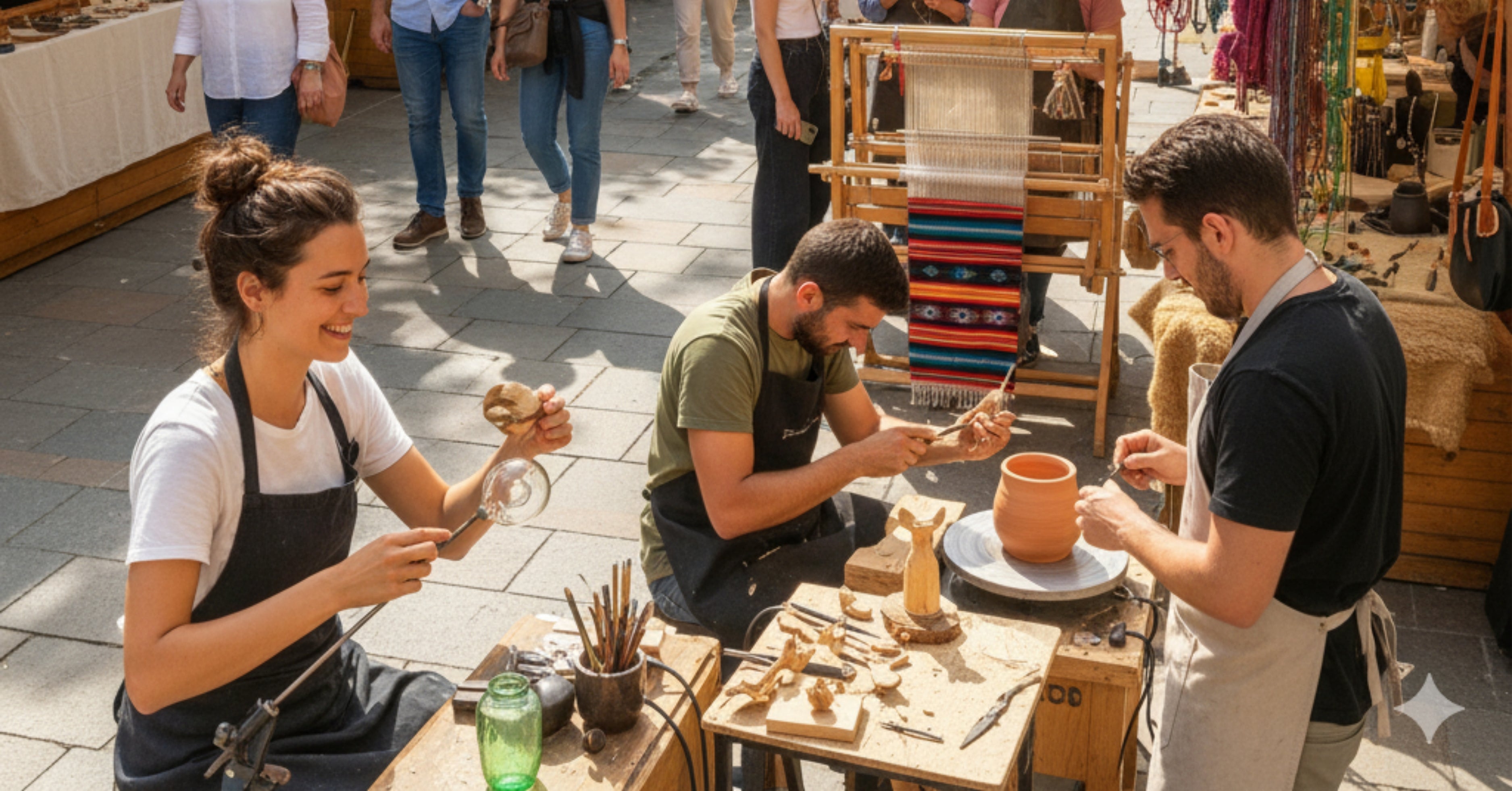
From pop-up shops to artisan festivals, teaming up amplifies reach, reduces overhead, and creates curated experiences hinging on shared values.
Tips for Building Successful Collaborations
-
Define Shared Goals: Clarify expectations, branding angles, and audience benefits early.
-
Acknowledge Cultural Context: Especially when collaborating across traditions, ensure sensitivity and shared storytelling.
-
Document Agreements: Even informal partnerships benefit from written clarity on commitments, revenue splits, and promotion plans.
-
Celebrate Each Creator’s Identity: Co-branding works best when each artisan’s unique voice is preserved and elevated.
-
Give Back Collectively: Opportunities like International Day of Charity (Sept 5) can be amplified when approached as a group.
A Charity-Driven Example
Consider Aid to Artisans (ATA)—a nonprofit that amplifies artisans' reach through collaborative programs emphasizing design innovation, sustainability, and economic impact in over 110 countries. (Wikipedia) Their community-based model demonstrates how collaboration across designers, funders, and cooperatives can power global visibility and local value.
Why This Matters Now (and Always)
As we approach the International Day of Charity (Sept 5) and look ahead toward the winter sales season, real growth lies not just in individual ambition but in cooperative action. Collaboration allows us to weather uncertainty, spark creativity, and build economic resilience together.
Take Action This Month:
-
Advocate for shared projects or workshops with fellow creators
-
Apply to join Just to connect and collaborate with women artisans
-
Explore cooperative features or mentorship opportunities in the platform