The Cultural Significance of Handmade Goods
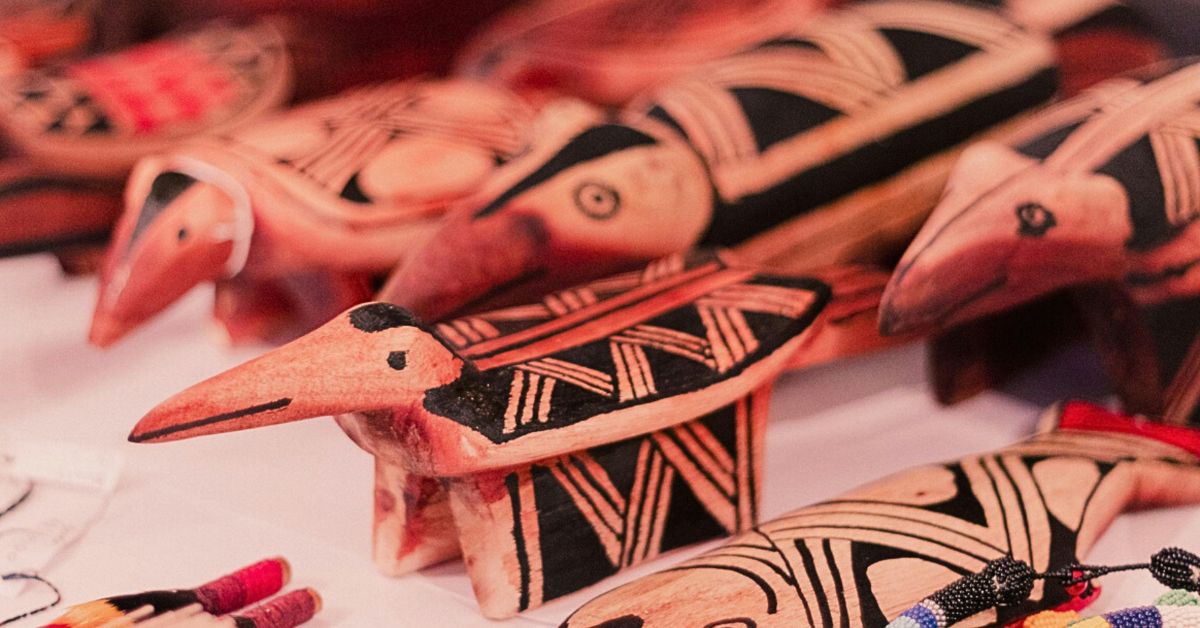
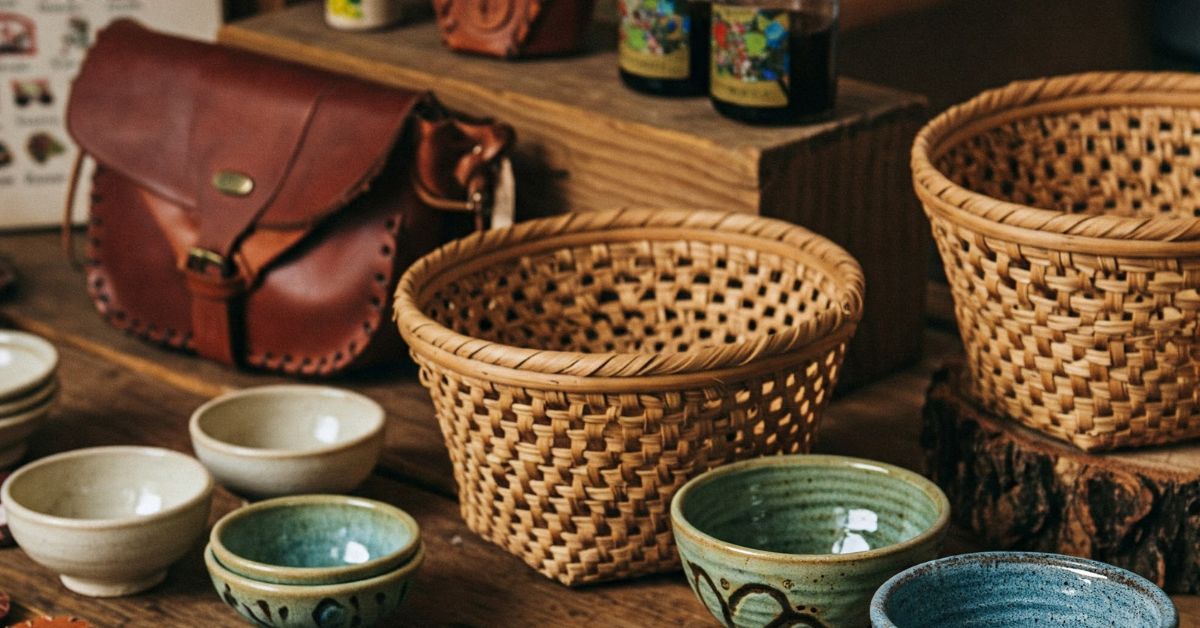
When you hold a handcrafted textile, a hand‑carved wooden bowl, or an intricately beaded bracelet, you're touching more than just an object—you’re connecting with stories of heritage, identity, and tradition. Handmade goods are cultural bridges connecting generations, places, and histories. In a global economy dominated by mass production, handmade creations remain a powerful symbol of authenticity and identity.
What Makes Handmade Goods Culturally Significant
1. Preserving Traditions & Ancestral Knowledge
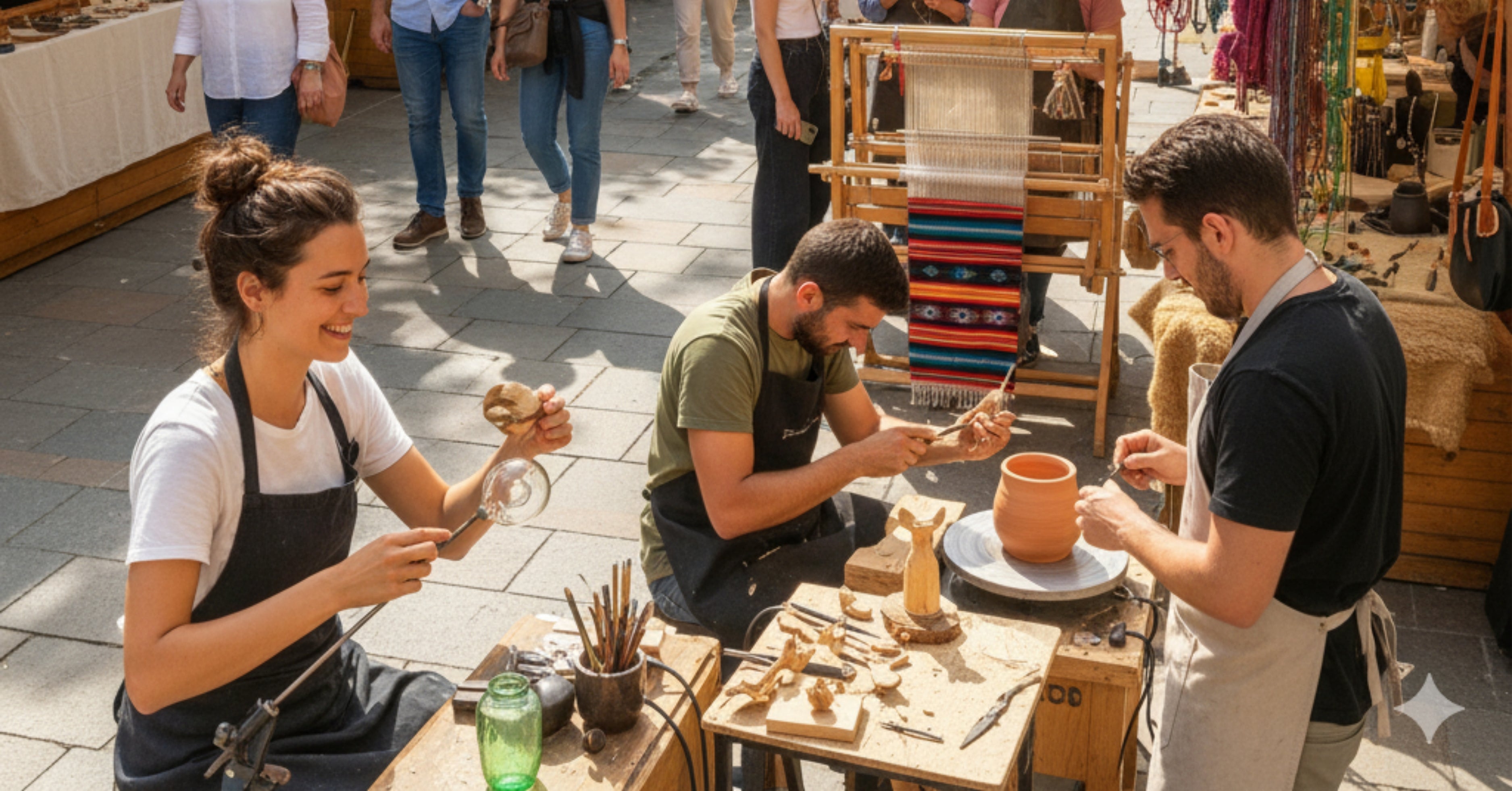
Many crafts are rooted in traditional techniques—passed down through generations. They involve skills that elder artisans once taught children, rituals shaped by cultural contexts, and designs that reflect identity. UNESCO describes “traditional craftsmanship” as a tangible manifestation of intangible cultural heritage, highlighting that supporting artisans helps safeguard heritage for future generations.
🔗 UNESCO – Traditional Craftsmanship
2. Supporting Cultural Identity & Economic Resilience
By buying handmade goods, consumers support communities that may otherwise be excluded from mainstream markets. According to the International Trade Centre, when Indigenous and rural women artisans gain access to markets, families experience greater economic security, and community investment follows. Handmade goods play a key role in preserving cultural identity while improving livelihoods.
3. Connecting Generations & Building Community
Cultural goods offer more than economic value—they provide continuity. Traditional crafts often unite older and younger generations, creating mentorship systems that keep languages, stories, and heritage alive. In rural communities, particularly, this form of intergenerational collaboration is essential for both cultural survival and economic opportunity.
🔗 IFAD – Rural Development and Heritage
How Brands Can Celebrate Cultural Craftsmanship
Businesses play a vital role in amplifying the voices behind handmade products. Here’s how brands and platforms can support cultural heritage in meaningful ways:
-
Source Directly from Artisan Groups: Partner with cooperatives that represent Indigenous or heritage-focused communities.
-
Share Artisan Stories: Tell the story behind each creation to create a deeper connection with customers.
-
Respect Cultural Ownership: Avoid appropriation by acknowledging the origin and context of each product.
-
Invest in Skill Development: Offer training, marketing support, or tools to help artisans reach global markets.
-
Create Seasonal Collections with Meaning: Align product launches with cultural festivals or observances to elevate heritage-based products.
Why It Matters Now
October includes meaningful observances like Indigenous Peoples’ Day (Oct 13), International Day of Rural Women (Oct 15), and World Sustainability Day (Oct 30). These dates are not just symbolic—they’re powerful reminders of the people and practices shaping our global economy. Handmade goods don’t just tell stories of the past—they offer blueprints for more ethical, sustainable futures.
Let’s Celebrate Culture Together
At Just, we proudly partner with women artisans across the Americas—each preserving their culture through craftsmanship. By supporting their work, you help protect centuries of knowledge and create economic opportunities where they’re most needed.
📌 Explore Cultural Collections on Just: