Educating Through Craft: How Artisan Work Preserves Cultural Knowledge
In an increasingly globalized world, preserving cultural identity and traditional skills is more important than ever. As we observe the International Day of Education on January 24, artisan entrepreneurs and sustainable makers have an opportunity to spotlight how handmade goods serve as living lessons. Behind every handwoven tote bag, every intricately embroidered sustainable clothing piece, and every naturally dyed eco friendly textile is a story of heritage, mentorship, and knowledge transfer.
This blog explores how artisan work functions as education—empowering communities, preserving identity, and teaching values of sustainability, patience, and craft.
The Intersection of Education and Artisan Work
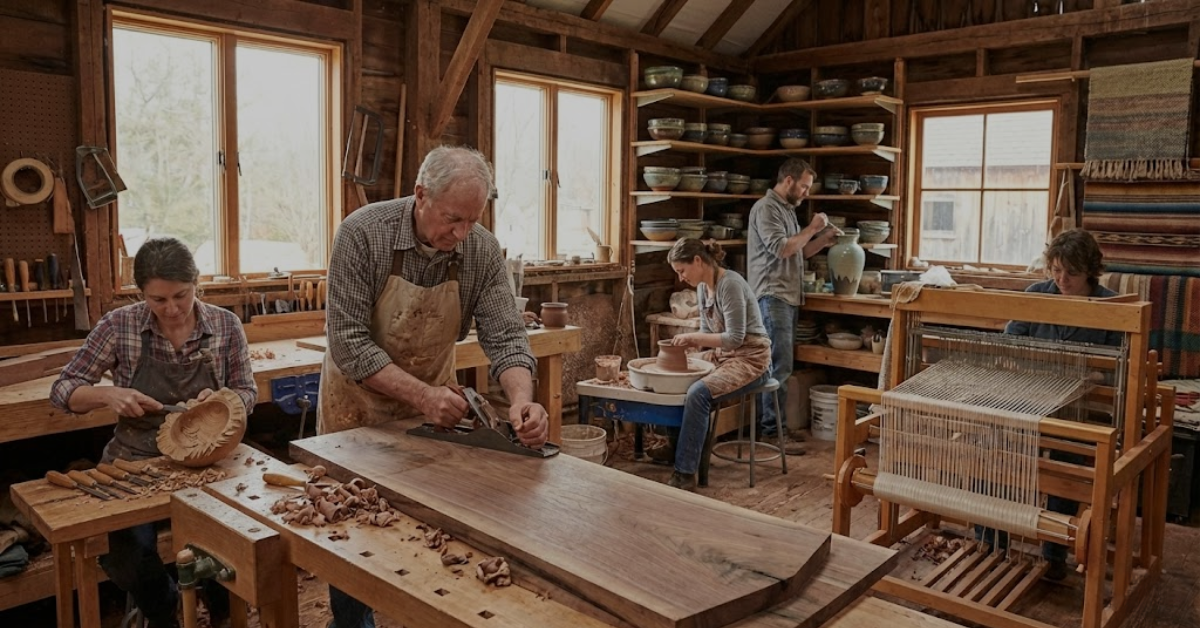
Education extends beyond schools and textbooks. For generations, communities have passed down knowledge through craft—grandmothers teaching granddaughters to weave, uncles showing nephews how to dye with indigo, mentors guiding new makers through the complexities of design.
These intergenerational practices are foundational to many sustainable brands operating in the global South. When you source eco friendly products from artisan cooperatives, you're not just buying a good—you’re supporting a system of education rooted in heritage.
UNESCO recognizes intangible cultural heritage as vital to global development and identity. Craft is a pillar of this heritage, and its preservation requires intentional support. (UNESCO Intangible Cultural Heritage)
Teaching Sustainability Through Hands
Making a tote bag from natural fibers teaches about resource use. Dyeing sustainable clothing with plant-based pigments shows environmental responsibility. Crafting sustainable bags in a cooperative setting teaches collaboration, time management, and business skills.
These are not small lessons—they are foundational educational experiences that build resilience, foster dignity, and enable income generation.
How Artisan Brands Can Support Educational Equity
As a brand working with artisans or curating eco friendly product lines, you’re uniquely positioned to amplify this intersection of education and making. Here’s how:
1. Invest in Skill Development
Partner with cooperatives or NGOs to provide ongoing training—not just in craft, but in marketing, digital tools, or business strategy. This ensures long-term sustainability for the artisans behind your sustainable bags or tote bags.
2. Document and Share Craft Stories
Publish visual content that highlights the educational journeys of your artisan partners—especially women and youth. Show how making sustainable clothing empowers communities.
3. Support Artisan Apprenticeships
Create or support models where experienced artisans can train the next generation. This is especially vital for preserving dying craft forms.
4. Celebrate Cultural Context
Ensure product copy and marketing materials don’t strip context from the goods. Instead of generic terms, name the technique, region, or traditional origin of the product.
Education and Empowerment for Women and Girls
Many artisan industries employ women as both makers and leaders. Education through craft becomes a tool of gender empowerment. When a woman learns to weave, stitch, or construct a sustainable bag, she often also gains access to income, autonomy, and leadership.
According to UN Women, education is one of the most powerful levers for women’s empowerment—and artisan industries are a key channel through which this education can happen. (UN Women)
Some cooperatives even reinvest a portion of sales into formal schooling for artisans’ children—making each purchase of sustainable clothing or tote bags a ripple of broader impact.
Learning as a B2B Brand
Education isn’t just for the makers. As a buyer or B2B partner, your brand should be learning too. Partnering with artisan suppliers requires understanding:
-
The cultural norms behind production timelines
-
The importance of holidays, rituals, or seasons in shaping workflows
-
How environmental factors influence materials or sourcing
This awareness helps foster respectful, equitable partnerships and better storytelling for your audience.
How to Elevate Educational Impact Through Your Brand
-
Highlight Learning in Product Marketing: Share what the artisan learned—or taught—through each creation.
-
Support Education-Focused Collections: Launch a line of eco friendly goods that funds community education or artisan training.
-
Host Maker Sessions Online: Let artisans teach simple techniques or show their work process through live or recorded content.
-
Collaborate on Curriculum: Partner with educational platforms to turn artisan skills into workshops, lesson plans, or museum exhibitions.
Conclusion
Education is not always formal. Sometimes, it’s felt in the rhythm of the loom, the precise snip of a thread, or the sharing of a story. As we honor the International Day of Education, artisan brands have the opportunity to not only reflect this truth but to invest in it.
Your sustainable brand can be a classroom. Your tote bags, sustainable clothing, and eco friendly goods can be textbooks. And every partnership you build can become part of a global story of learning, dignity, and cultural preservation.
Let your brand teach as it grows—and make education through craft part of your legacy.