Purpose-Driven Progress: Business Lessons Inspired by Martin Luther King Jr.
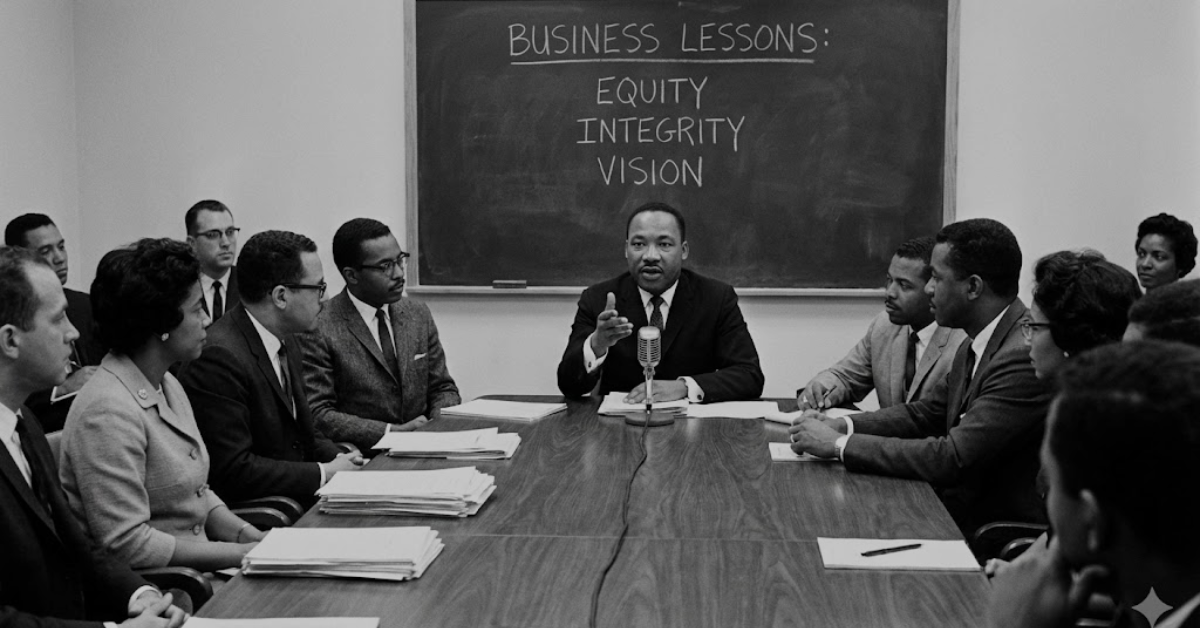
Every January, we honor the legacy of Dr. Martin Luther King Jr.—a leader whose vision of justice, equity, and human dignity continues to inspire communities and businesses alike. For artisan entrepreneurs and those building sustainable brands, his teachings offer a blueprint for ethical growth. Whether you're creating eco friendly tote bags, developing new lines of sustainable clothing, or scaling up your sustainable bags production, aligning your business with core values builds a brand that leads with purpose.
This post explores the values that guided Dr. King’s movement and how they can inspire your business strategy in the artisan and ethical product space.
Lesson 1: Lead with Mission, Not Just Product
Dr. King’s work was guided by a clear, unwavering mission—racial justice and equality. For brands in the eco friendly space, clarity of mission matters more than ever. Today’s buyers—particularly B2B customers—are actively seeking out sustainable brands that do more than sell. They want partnerships with companies that stand for something.
A study by Zeno Group found that consumers are four to six times more likely to support purpose-driven brands. (Zeno Strength of Purpose Study)
Ask yourself: Does your brand's purpose—uplifting artisans, reducing environmental harm, preserving heritage—show up clearly in your customer touchpoints?
Lesson 2: Justice and Equity Start with Your Supply Chain
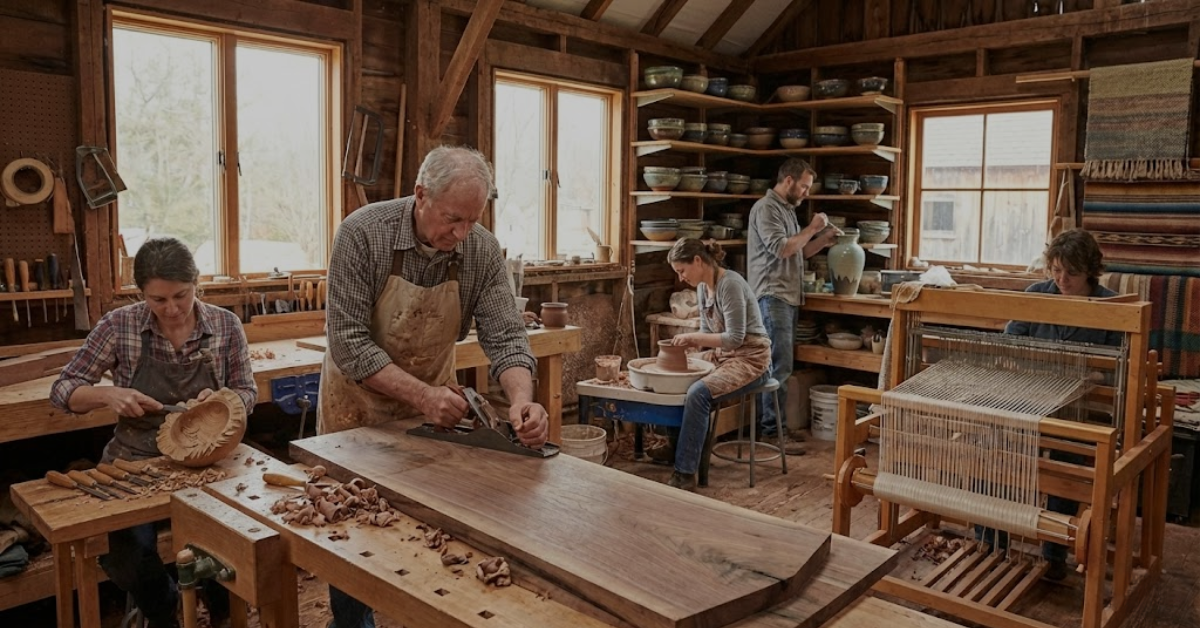
Dr. King emphasized fair labor, economic opportunity, and dignity in work. As an artisan-focused business, one of the most powerful things you can do is ensure fair treatment across your supply chain.
That means:
-
Working only with artisan groups that pay living wages
-
Supporting women-led cooperatives in your tote bags or sustainable clothing production
-
Prioritizing eco friendly materials that respect both people and planet
These practices align with the Fair Trade Principles and contribute directly to more just economies.
Lesson 3: Empower Voices, Not Just Products
Dr. King believed deeply in amplifying marginalized voices. Today, that can mean more than showcasing your sustainable bags—it means telling the stories of the people behind them. Are you uplifting your artisan partners? Giving them space to share their narratives? Including them in decision-making?
Consumers connect deeply with brands that offer transparency and humanity.
Lesson 4: Take a Stand Publicly and Internally
Dr. King’s courage lay in his public commitment to difficult truths. Sustainable brands can honor that legacy by speaking out on issues affecting the artisan community—climate justice, fair wages, cultural appropriation—and also ensuring internal practices reflect the same values.
Whether you're selling eco friendly tote bags or ethically produced sustainable clothing, show your audience that values are non-negotiable.
Lesson 5: Build Community, Not Just a Customer Base
At the heart of MLK’s movement was the belief that lasting change happens through community. Artisan brands can create that same impact by building networks of mutual support—among creators, buyers, and retailers.
Consider:
-
Co-branding with other sustainable brands
-
Hosting virtual storytelling sessions with artisans
-
Creating shared marketing initiatives around social observances
Conclusion
Martin Luther King Jr.’s work remains a powerful guide for how to lead with courage, compassion, and conviction. As an artisan business rooted in sustainability and ethics, his values align closely with yours. Whether you’re selling handcrafted sustainable bags, launching a new eco friendly capsule, or scaling up your tote bags offering, let this season be a call to go deeper into justice-driven entrepreneurship.
Purpose doesn’t pause after January. Make it your strategy all year long.