How Artisans Preserve Cultural Traditions Through Their Craft
In every handcrafted piece, there’s more than artistry—there’s heritage. As October brings observances like International Day of Rural Women and World Sustainability Day, it's the perfect moment to explore how artisans—particularly women and rural and Indigenous makers—are the stewards of culture. Through their skills, materials, and stories, they keep traditions alive, sustain communities, and inspire ethical, moral continuity across generations.
What It Means to Preserve Cultural Tradition Through Craft
Preservation of cultural tradition in craft isn’t simply about maintaining techniques—it’s about identity, continuity, and meaning. It means:
-
Learning ancestral methods of making
-
Using native or regionally sourced materials that carry symbolic meaning
-
Passing knowledge from elders to young creators
-
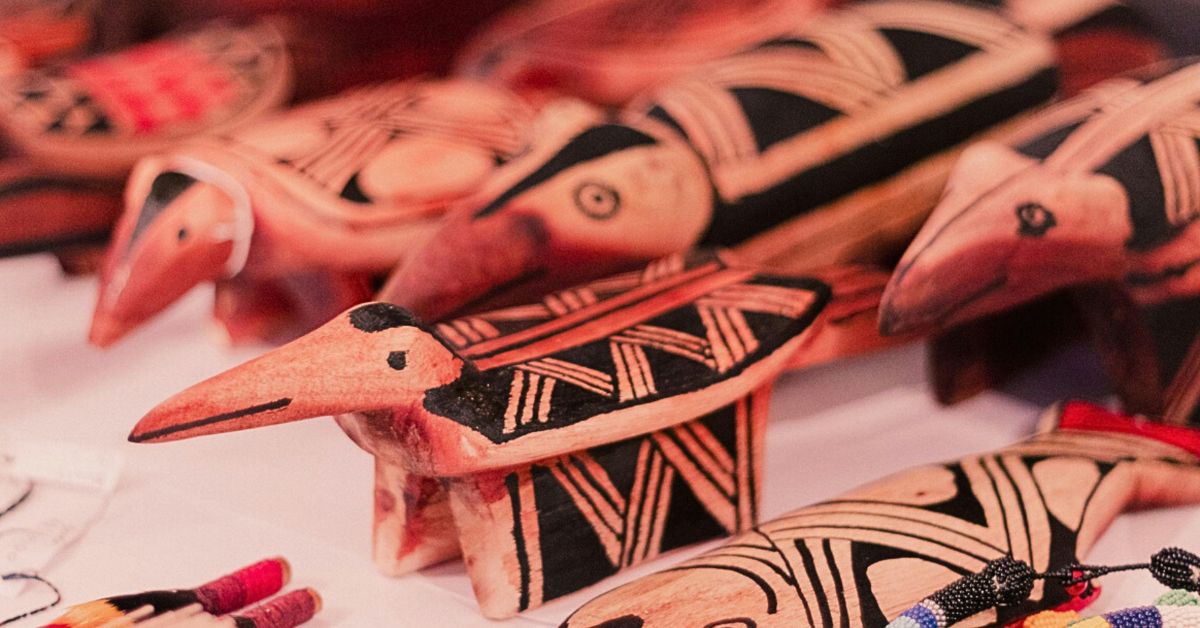
Keeping designs, motifs, and patterns that tell of place, history, or belief
Why This Work Is Critical
1. Heritage as Living Knowledge
Traditional craftsmanship is recognized by UNESCO as an essential aspect of intangible cultural heritage, meaning the knowledge, skills, and practices themselves—rather than objects—are central to cultural identity. When artisans preserve these, they do more than create goods; they uphold stories and community memory. (UNESCO – Traditional Craftsmanship) (ICH UNESCO)
2. Women as Cultural Custodians
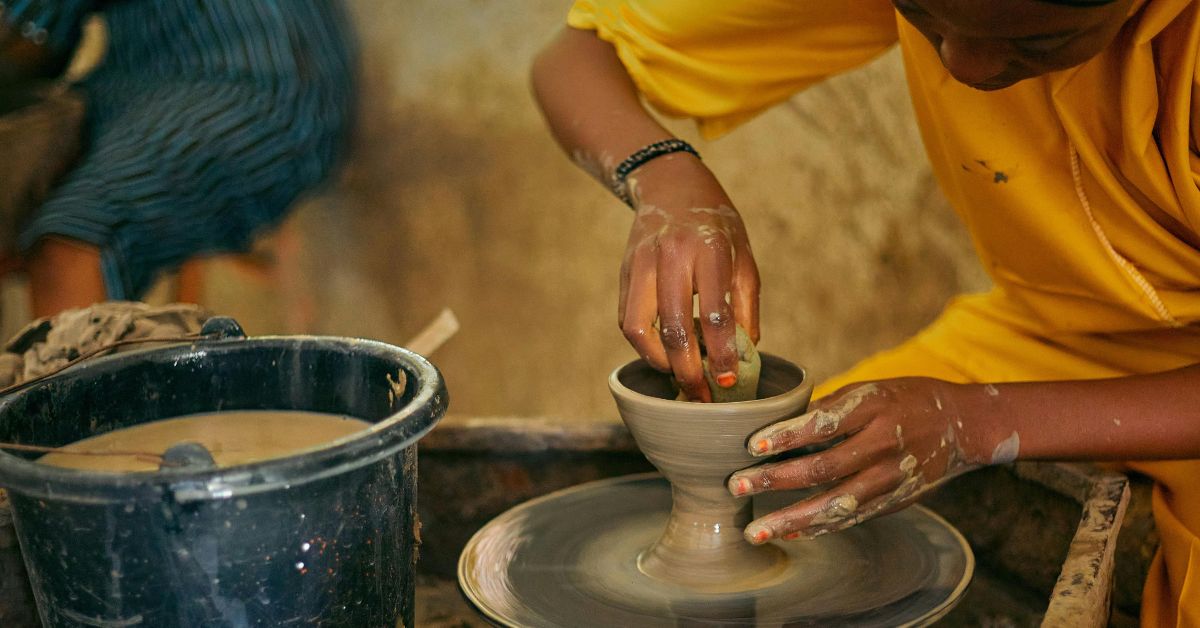
In many cultures, women have preserved crafts—textile weaving, embroidery, pottery, beadwork—not just as work but as the daily lifeblood of culture. A study titled The Role of Women in Preserving and Promoting Cultural Heritage underscores how women pass down customs, artistic expression, and community identity through generational learning. (ResearchGate)
3. Reviving Traditions in Rural and Indigenous Communities
Several rural and Indigenous artisan groups are revitalizing crafts targeted by decline—whether from industrialization, loss of interest, or lack of economic support. For example:
-
The revival of Sikki art in India, where tribal women harvest local grasses and create items rooted in their heritage, bridging tradition with modern markets. (The Times of India)
-
The craft of Horezu ceramics in Romania, where master potters continue traditional firing and motif methods as listed by UNESCO Intangible Heritage. (Wikipedia)
How Artisans Practically Keep Traditions Alive
Here are strategies artisans use to preserve culture through craft:
-
Master‑Apprentice & Intergenerational Learning: Younger artisans apprenticing under elders, learning not just technique but stories, meaning, and context.
-
Sourcing Traditional Materials: Using flora, minerals, fibers, or dyes native to a region, which hold ecological and symbolic value.
-
Design with Identity: Embedding motifs, color palettes, and symbolic elements that reflect heritage, place, and belief systems.
-
Adapting for Relevance Without Loss: Introducing modern functionalities or design tweaks, while preserving cultural meaning (e.g., updated product forms that still use traditional stitch, pattern, or process).
-
Community Festivals, Fairs, & Exhibitions: These amplify traditional crafts, enable public understanding, and build markets for heritage items.
-
Documentation & Digital Archiving: Recording craft stories, techniques, and materials via video, interviews, and written accounts to ensure heritage isn't lost over time.
Examples From the Field
-
Thai Silverware & Jewelry in Wualai, Chiang Mai: The Wualai community has long produced silverware and jewelry using historical techniques. Their continuing work keeps century‑old patterns alive. (Koktail Media)
-
Lulesámi Craftsmanship in Northern Norway: Lulesámi women preserve traditional handicrafts (textiles, beadwork) that are deeply tied to language, identity, and spiritual life at home. (ResearchGate)
-
Inabel Weaving of the Philippines: The Inabel textile tradition, from Ilocos, continues through weavers like Magdalena Gamayo who maintain local patterns, natural dyes, and weaving techniques passed through generations. (Wikipedia)
Challenges in Preservation
Preserving craft is meaningful—but not always easy. Common challenges include:
-
Economic pressures making mass‑produced cheaper alternatives more tempting
-
Migration & urbanization leading to younger generations leaving rural artisan communities
-
Loss of traditional materials or skills that were never documented
-
Balancing heritage with market demand—keeping integrity without becoming inaccessible
What Brands, Platforms & Buyers Can Do
-
Be authentic: share the origins, stories, and makers behind each item
-
Support sustainable pricing that reflects labor, materials, and meaning
-
Facilitate training & mentorship—especially with elder artisans
-
Celebrate heritage in marketing—through storytelling, visuals, and observance dates
-
Ensure cultural credit where due and avoid appropriation
Why It’s Especially Relevant This October
With observances like International Day of Rural Women (Oct 15) and World Sustainability Day (Oct 30), there’s an opportunity to celebrate those artisans who do more than sell—they sustain culture. Supporting such artisans contributes to sustainability, identity, and resilience.
Conclusion & Call to Action
Handmade craft is more than product—it’s culture, memory, community. When artisans preserve cultural tradition through their craft, they strengthen roots that connect past, present, and future.
Explore and Support Heritage Makers on Choose Just: