Ethical Consumerism: Why Handmade Matters
In a world inundated with mass-produced items, ethical consumerism is rising as a powerful movement. Rather than prioritize speed or price alone, more buyers want to know who made their products, where, and how. Handmade items fulfill many of these ethical concerns—supporting local artisans, reducing waste, and preserving craftsmanship. This October, as we observe World Sustainability Day and honor Indigenous Peoples’ Day, it’s a moment to reflect on why choosing handmade isn’t just personal—it’s global.
What Ethical Consumerism Really Means
Ethical consumerism is about aligning purchases with values. It involves considering:
-
Fair labor practices
-
Ecological impact of materials and processes
-
Transparency in sourcing
-
Supporting small-scale, local, or traditional makers
For artisans, this means more than marketing—it’s about maintaining standards that reflect respect, sustainability, and cultural integrity.
The Buying Behavior Behind the Movement
-
Consumers are willing to pay more for sustainability. A 2024 PwC survey found people are on average willing to spend 9.7% more for sustainably produced or sourced goods. (PwC)
-
Ethical sourcing is increasingly important. In Do Consumers Care About Ethical Sourcing? by Forbes, over 80% of respondents said it matters to them whether products are ethically sourced. (Forbes)
-
Handmade products offer more than style—they carry integrity. The “Handmade Effect” paper shows that consumers are drawn to handmade for its social and environmental values—not just aesthetics. (SpringerLink)
-
Sustainability is a factor, even during inflation. Despite economic pressures, many consumers still indicate ethical and sustainable factors matter in their buying decisions. (Provenance)
How Handmade Products Lead Ethical Shopping Back
Here’s how handmade aligns with ethical consumer values:
-
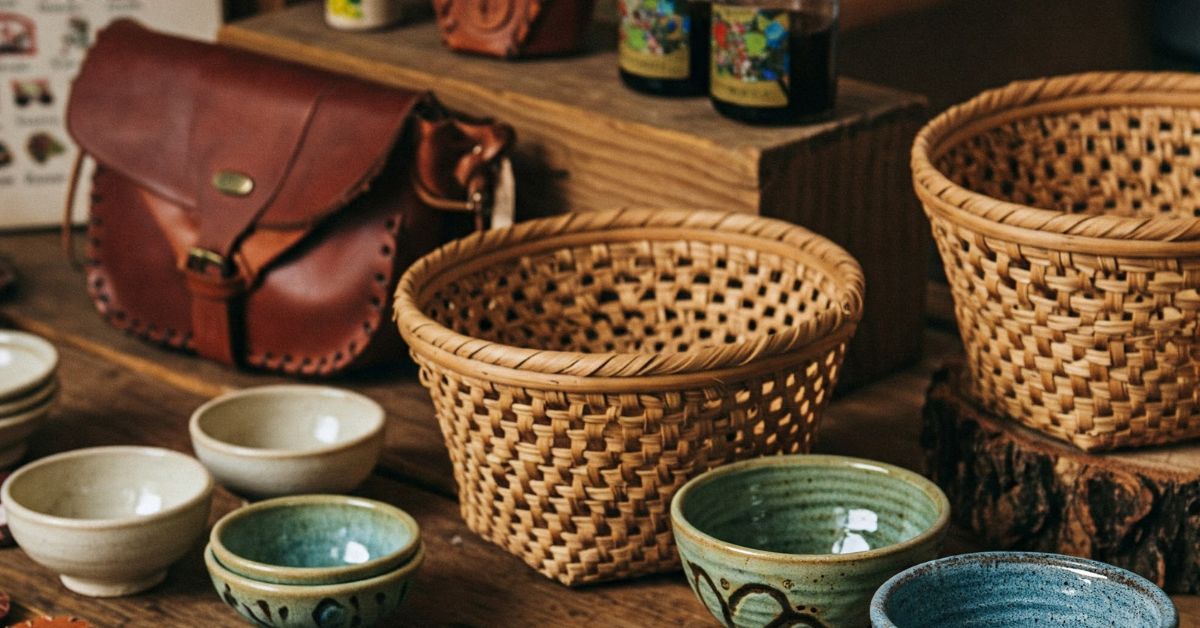
Local & Cultural Connection
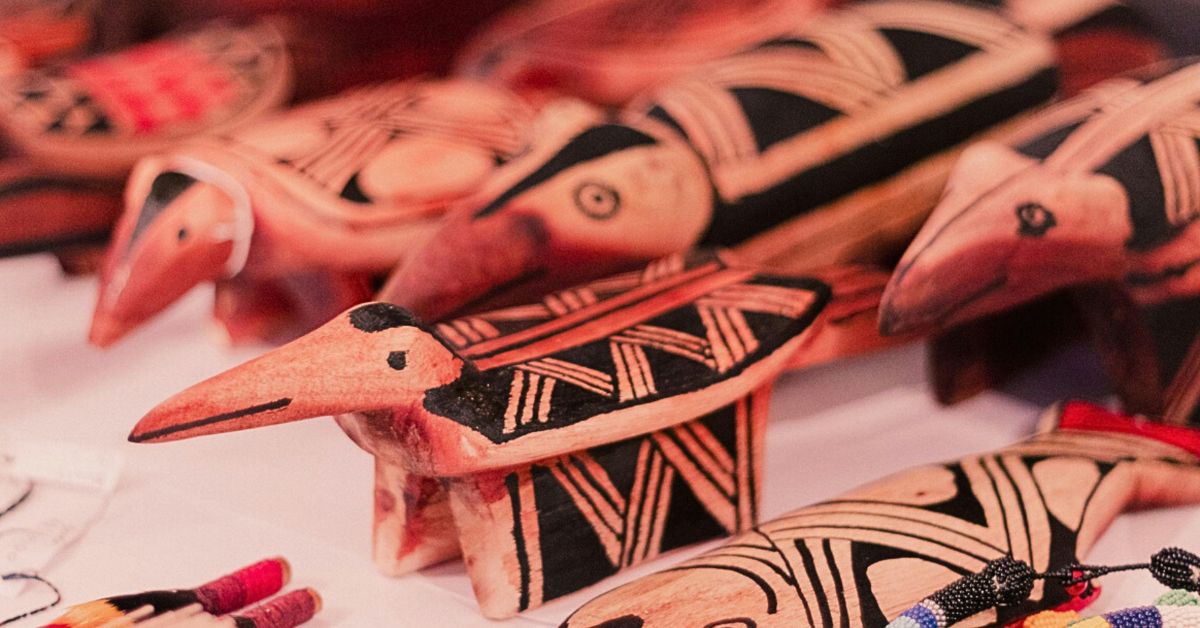
Handmade pieces often come from artisans rooted in specific traditions or regions, strengthening cultural identity and preserving heritage. -
Reduced Environmental Impact
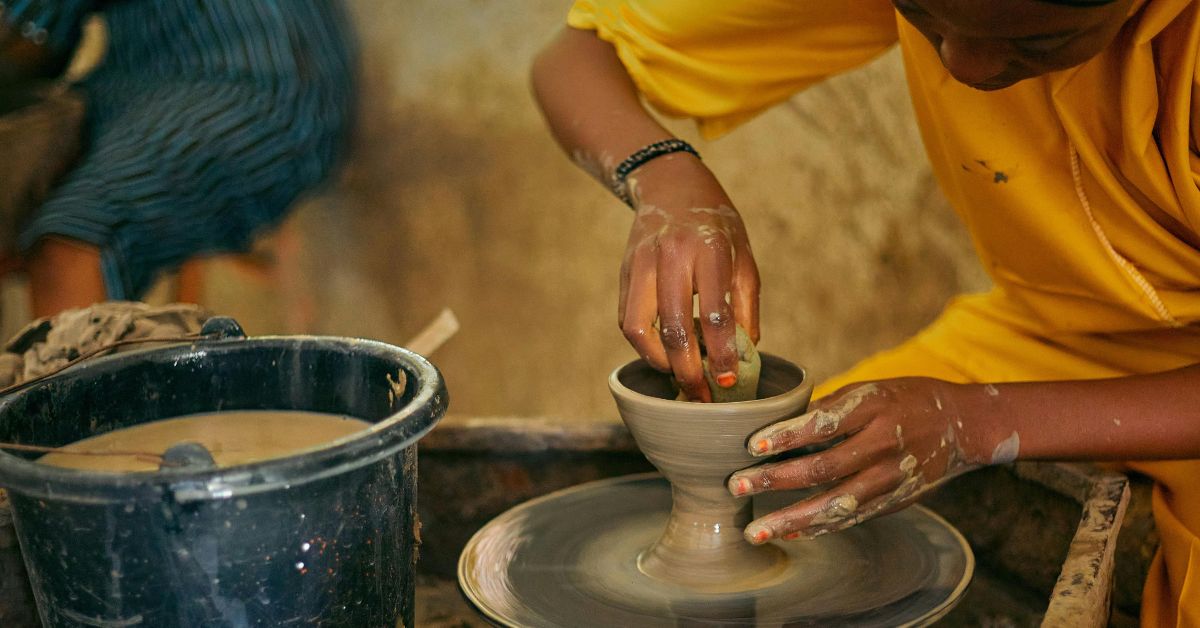
Many handmade goods use slower, small‑batch or natural processes that minimize pollution, packaging, and transport emissions. -
Fairness & Respect for Labor
Unlike mass production, handmade means paying care for craftsmanship—valuing time, skill, and fair compensation. -
Authenticity & Transparency
Buyers increasingly want stories—who made this, how was it made, what materials were used? Handmade producers tend to communicate these more openly. -
Longevity Over Disposal
Handmade goods are often built to last—reducing waste in a throwaway culture.
Challenges in the Ethical Consumerism Space
-
Higher cost: Handmade often requires more labor and artisanal skill, making items pricier than mass‑produced alternatives.
-
Visibility & reach: It can be harder for artisan goods to be discovered among mainstream retail.
-
Trust & verification: Ethical claims need backing—proof of materials, sourcing, and labor practices matter to consumers.
What You Can Do—As a Maker or Consumer
For Makers:
-
Show your values in product descriptions (materials, origin, labor)
-
Use sustainable and fair‑trade sources where possible
-
Lean into your uniqueness—share your story, your process, your heritage
-
Seek certifications or partners that can verify your ethical claims
For Customers:
-
Shop small and local where possible
-
Ask questions—about sourcing, process, labor
-
Support brands that give back or support their communities
-
Prioritize quality over quantity
Why It Matters Now
With global awareness of climate change, social inequality, and cultural loss increasing, ethical consumerism isn’t just a trend—it’s part of the change we need. Handmade matters because it can embody that change: sustainability, justice, meaning.
Conclusion & CTAs
Choosing handmade goods is more than a purchase—it’s a statement. It says you believe in fairness, quality, and authenticity.
Where to Start on Choose Just: