

How Supporting Small Creators Can Strengthen Communities
In November, meaningful commerce takes center stage. While Black Friday (11/28) invites mass consumption, Universal Children’s Day (11/20) reminds us of our collective responsibility to future generations. For artisan entrepreneurs and values-driven businesses, this moment is ripe for redefining what impactful business looks like. Supporting small creators—particularly those rooted in eco friendly practices or producing sustainable clothing, tote bags, and sustainable bags—is a way to turn transactions into transformation.
Why Small Creators Matter More Than Ever
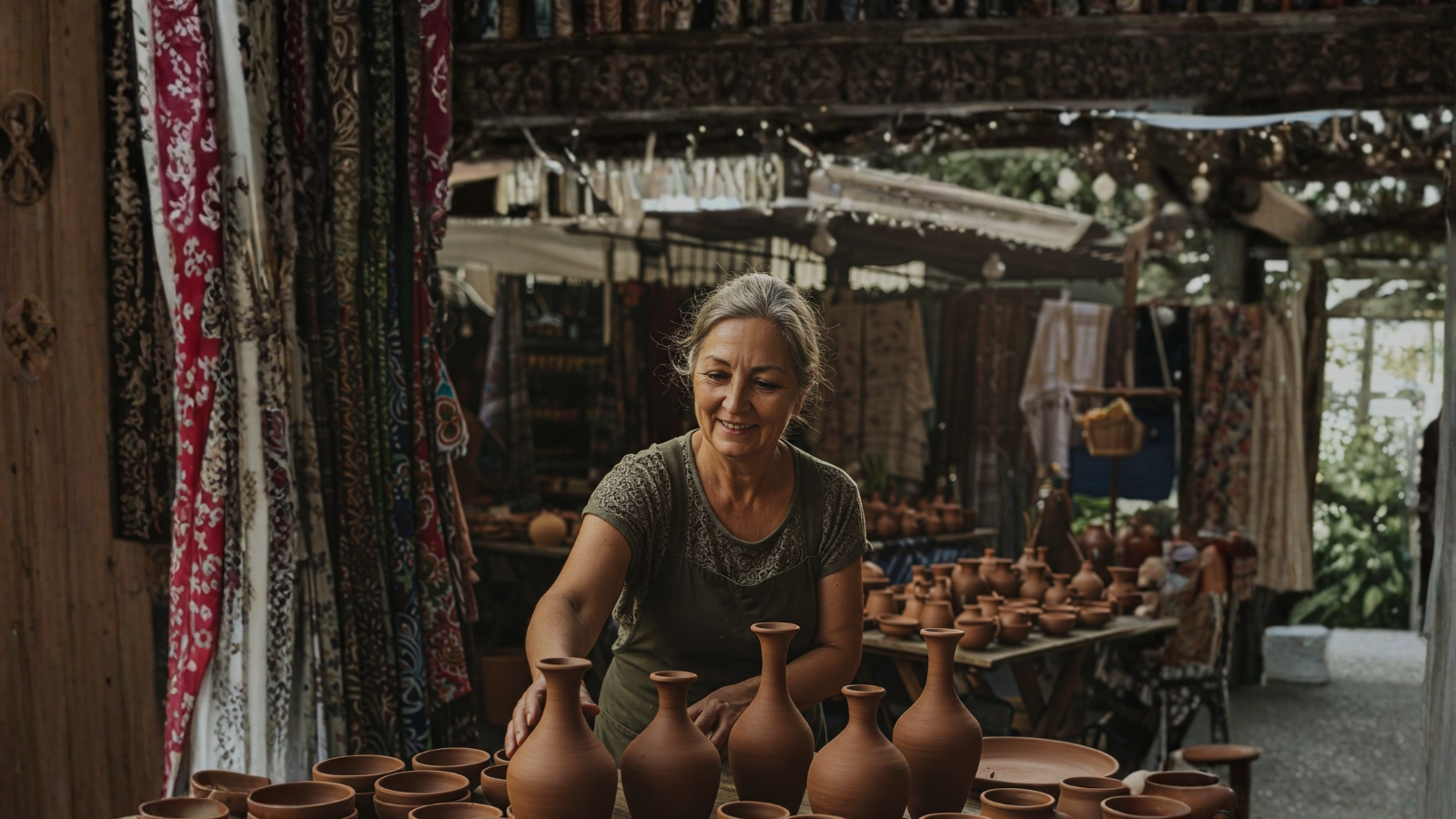
Supporting small creators fuels more than product innovation. It creates jobs, preserves culture, and builds supply chains that prioritize ethics over scale. In the artisan economy, every purchase reverberates through families and communities. A tote bag woven in a small workshop or a hand-dyed piece of sustainable clothing carries not only material value but also the identity of its maker.
A study by the Institute for Local Self-Reliance shows that local businesses reinvest 52% of their revenue into their communities, compared to just 14% by national chains. (ILSR Report) That means when you source sustainable bags from a small artisan collective, you’re creating a multiplier effect of economic well-being.
On Universal Children’s Day, the focus is on protecting rights, advancing education, and ensuring opportunity for every child. When women-led artisan groups thrive, children benefit—through better access to food, healthcare, and schooling. This isn't theory; it’s backed by research from the UN that shows women's economic empowerment leads to higher outcomes for children. (UN Women)
Small Creators, Big Impact: Benefits for Your Brand
1. Builds Community Resilience
When businesses prioritize small-scale producers who use eco friendly methods, they help build decentralized, resilient economies. Artisan producers of sustainable bags often depend on fair trade networks that empower women and preserve traditional skills.
2. Strengthens Your Ethical Positioning
Aligning your brand with sustainable clothing or tote bags made by community-based artisans helps anchor your ethical messaging. It also improves authenticity and gives your content a compelling narrative.
3. Increases Buyer Loyalty and Brand Differentiation
Brands that transparently support creators gain more trust. A report by Nielsen shows that 73% of global consumers are willing to pay more for products from sustainable brands. (Nielsen Sustainability Report)
4. Deepens Seasonal Purpose and Meaning
Around Black Friday, brands have a unique chance to highlight ethical alternatives. Featuring eco friendly products or limited-edition collaborations with small creators adds seasonal purpose to the typical holiday rush.
How to Start Supporting Small Creators
-
Curate Purpose-Driven Collections: Feature tote bags, sustainable bags, or sustainable clothing made by artisan communities. Tell their stories through your blog or product pages.
-
Replace Mass with Meaning: Consider reducing reliance on mass-produced goods. Instead, stock eco friendly artisan goods that highlight traditional techniques.
-
Join a Platform That Celebrates Small Producers: Sell or source through B2B marketplaces designed to elevate small makers.
-
Educate Buyers During Peak Season: Use your Black Friday promotions to spotlight sustainable brands or artisan bundles that support education or training.
-
Track and Share Your Community Impact: Demonstrate your brand’s role in uplifting communities through transparent reporting and behind-the-scenes content.
Why Now: Timing Your Campaign with November’s Themes
Pairing your small-creator initiatives with Universal Children’s Day lends moral weight to your holiday messaging. On Black Friday, instead of just offering deals, use the opportunity to champion ethical consumption. Let your audience know their purchase of a sustainable bag or eco friendly tote bag supports a real artisan and strengthens a real community.
Whether you produce or source sustainable clothing, sustainable bags, or any handcrafted good, now is the time to highlight the value of small creators. It’s not just good business—it’s the future of ethical commerce.
Conclusion
Supporting small creators isn’t a trend—it’s a return to the roots of meaningful trade. As an artisan entrepreneur or B2B buyer, investing in small-scale makers of eco friendly goods helps build resilient, values-aligned supply chains. This November, choose to align your sales strategy with purpose. Whether you source tote bags, sustainable clothing, or sustainable bags, you help build a better business ecosystem—one thoughtful purchase at a time.

%20invites%20mass%20consumption,%20Universal%20Children%E2%80%99s%20Day%20(11/20)%20reminds%20us%20of%20our%20collective%20responsibility%20to%20future%20gene...)